Marek
-
Posts
164 -
Joined
-
@ptegler The nose of your car has so much room! I'll take a comparison shot the next time mine is on the lift. My water radiator is mounted behind the front suspension and the, fairly large, oil cooler is sits in the location of your radiator. The packaging works because the 13B is so small. But the cooling efficiency is not as good as it should be. This picture and the NJMP weekend thread has been good motivation to motivate progress on the my Seven instead of other automotive distractions.
-
@Rob J. Any update on Time Machine's assessment of the car?
-
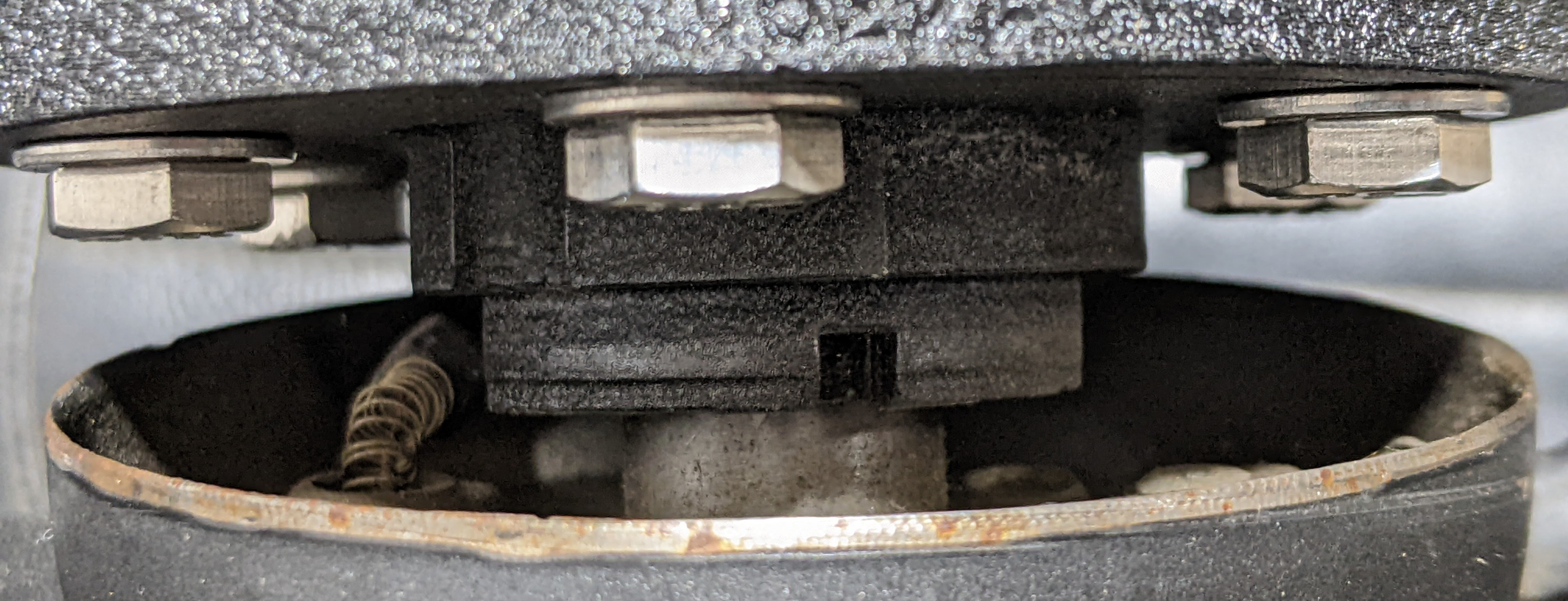
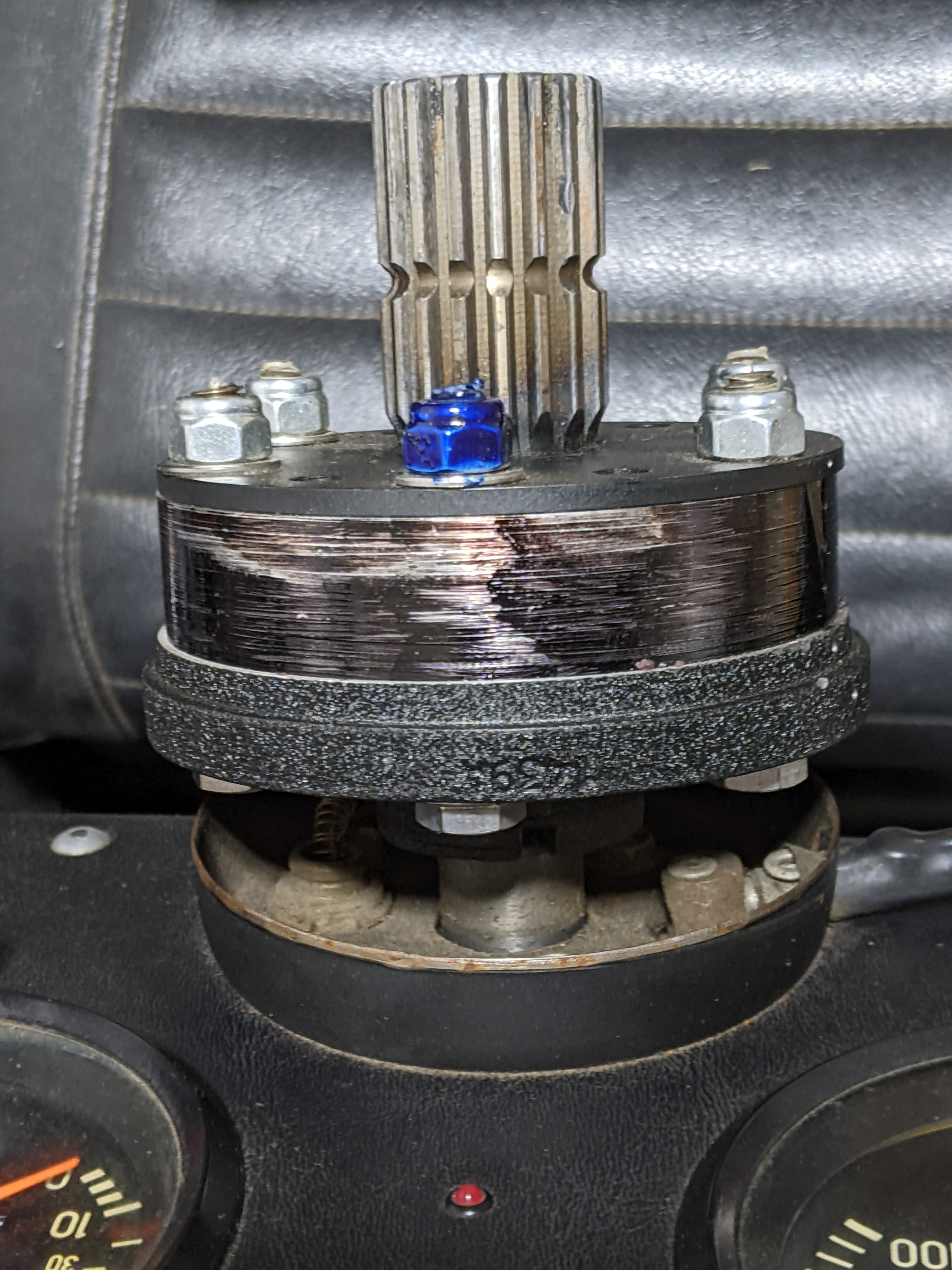
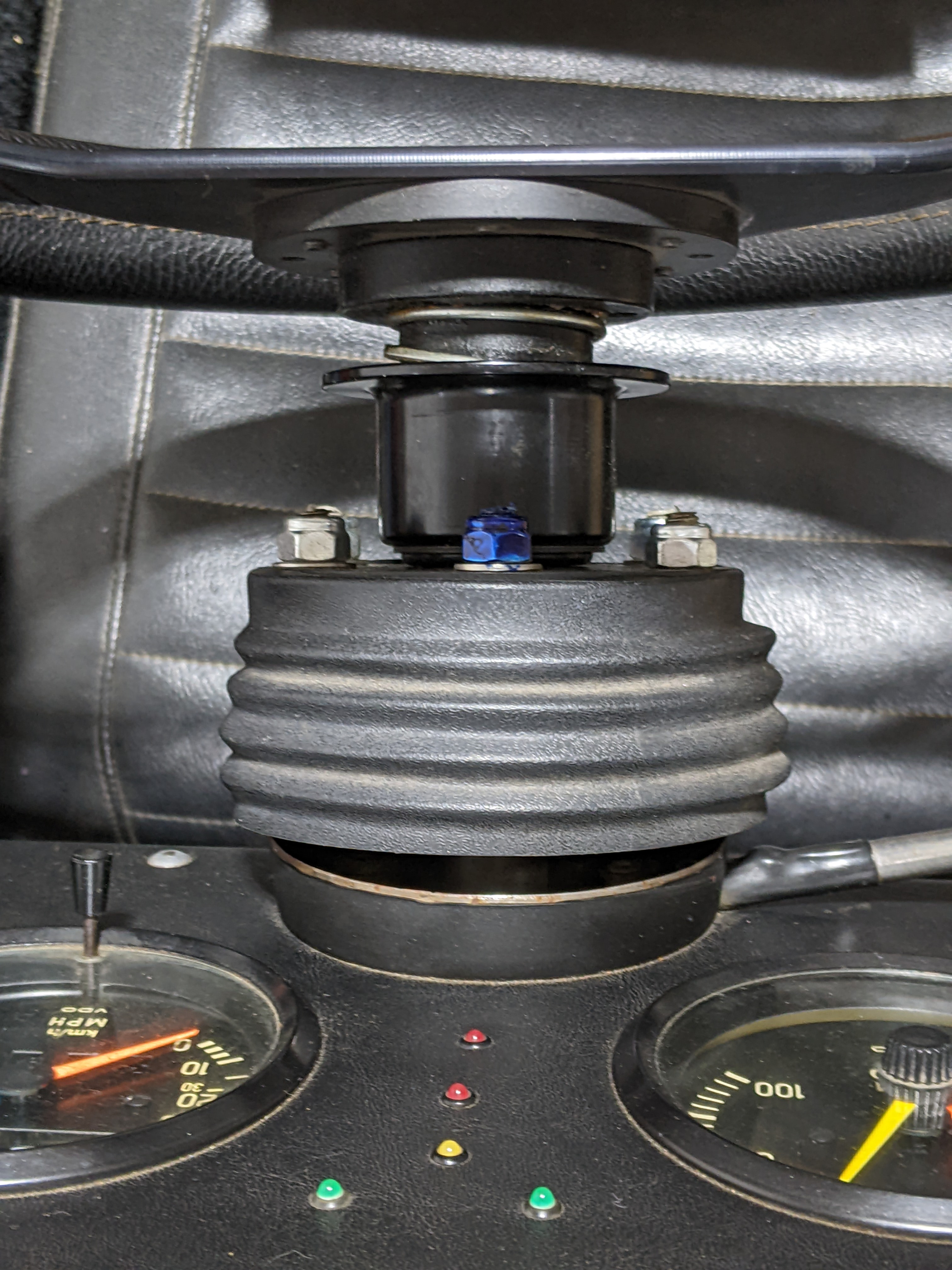
Application notes on the K-7713 show applicability to most (everything?) Toyota made from the early 80s to the mid 90s. There is a strong JDM aftermarket for that period, so I'd expect you have many options. My guess is you have a 33 spline, 15mm diameter shaft. I'll bet Toyota only produced one size with 33 splines, so counting the splines on yours might be your easiest option to confirm compatibility.
-
My 1989 wears a MOMO dated 10-92 (so, not original) on a K-7713 adapter with a quick release hub. I believe the K-7713 is 'classic Toyota' adapter and it is still available.

-
My son and I will be there and would enjoy meeting up.
-
Pin 4 on a YWB 100970 is rated for either 20A or 30A continuous. Why did it overheat? Assuming it is fused correctly, maybe sanity check the wire gauge to the connector and check for corrosion or a repair or splice in that circuit. If you can't identify the cause, add an inline fuse on the lead to pin 4 as a safety. Not elegant, but if the problem reoccurs, a new fuse will have you running rather than replacing the relay yet again.
-
Another recommendation for KTR. The only other shop in the area I can recommend with confidence is Boston Sportscar in Weston. For both KTR and Boston Sportscar, the work you describe will be routine. Whereas for most shops it risks stretching their familiar skills and comfort zone (despite being a fairly easy job).
-
I've only used screens. I've had mild motion sickness sailing. But after the first day, I am fine. That resistance has yet to kick in on the sim.
-
While they have improved massively, there is still a big gap. In just the last month I've had the privilege of spending time on a friends new 3 degree of freedom mid-5 figure rig and it is a clear step above other motion rigs I've used. We've been driving only Miatas and 991.1 GT3s (as those are track cars we know) and only on tracks that we know. In iRacing the cars do not represent the specific character of the actual cars. They have the general characteristics, but, for example, put me blind into a 911 and I can tell you it is a Porsche from the feel of the steering. The sim does not have that level of tactile subtlety. The real disappointment is Simulator Sickness has not improved. This has always been a problem for me and if anything, this new rig is worse. We spoke with an engineer who specializes in sim tuning and he assures me the sensory conflict causing the problem can be tuned out. So maybe the latest consumer sim hardware is much closer to professional gear, but I think it still takes professional expertise to make it work well.
-
We have CTEK and Schauer; a very good CTEK alternative which are also recommended by Odyssey and are sometimes cheaper. At last check, Odyssey does not recommend NOCO. As I recall, it had to do with NOCO not providing the full 14.7v specified for the Absorption phase of the charging cycle. Their manual goes into detail: https://www.odysseybattery.com/wp-content/uploads/sites/2/odyssey-installation-operation-and-maintenance-manual.pdf
-
A knife, once dull, is no longer a useful tool. It becomes just an implement for randomly hurting yourself.
-
What is the largest Seven? I believe a Rotus is 1124mm x 3660mm x 1665mm (HLW). Basically a SV with an extra foot of length and a smidge at the hips. But parked side-by-side, the differences seem greater. My suspicion is the somewhat squarer body (especially the nose) exaggerates the difference.
-
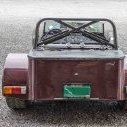
Do you have a half hood for your Caterham?
Marek replied to Saudio's topic in General Sevens Discussion
Anyone with Stormcap experience? I've toyed with a custom spec'ed Stormcap as a more useful car cover for my Rotus with a speedster windshield. -
Rotus might be unique in the use of a rocker arm front suspension and in theory it should be an advantage. But Caterham never went down that road and others on this forum have commented that they are not fans. Any comment @Croc, Slingshot, or Mazda? (or others?)
-
Well summarized. I too visited the factory, but was too young to serious consider buying one at that time have only a set of original literature. I've been in contact with a former long-term employee who may have fixtures, molds, and documentation and have considered visiting them to make note of what is available. Feel free to encourage me (I have family in the area.).