
SENC
-
Posts
740 -
Joined
2 Followers


-
This thread may be useful if you find yourself chasing clutch issues. https://usa7s.net/ips/topic/14928-super-seven-s2-clutch-issues/
-
Check the slave and master cylinders for their sizes - as they've been replaced over the years, it isn't unusual for them to get replaced in different sizes, resulting in varying clutch pressures and travel. Getting the sizes "right" isn't straightforward, as there is conflicting literature from Girling, Lotus, and one or more of the more reputable parts vendors. I seem to remember a thread here on the tioic that included some of those references - if you do a search on this site for clutch cylinders you may come across it. I'll poke around and see if I see it. People's reports on wind reflectors are that they are hit or miss. I have a pair from Redline, and they are a marginal improvement, but I'd rather have them on than off. Of course, the issue isn't really wind, but the aerodynamics (or lack thereof) in these cars. Between the brick shape and the nearly vertical windscreen, at any speed you're developing a big low pressure area in the cockpit - and sucking in the air. Deflectors MAY shift that slightly away from your ears. I've long thought a better solution would be to find a way to route air into the cockpit centrally - either a duct underneath into the cabin or a Miata-style windscreen mount.
-
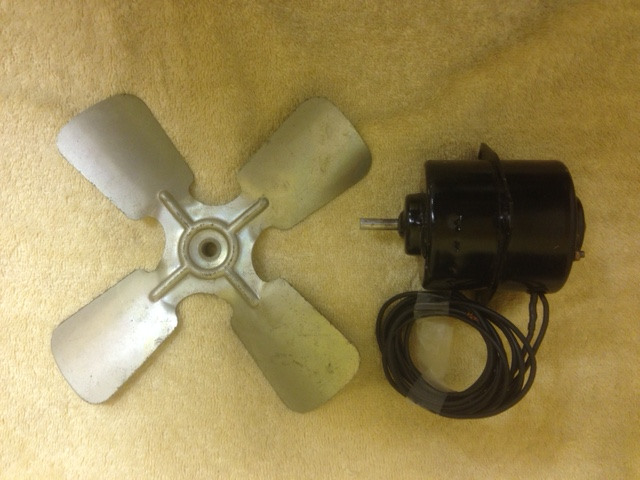
The fan and motor were also used on early Lotus Elites... I'm not sure what other cars, but I'm sure they were. I understand the motor is also the same as used on Elan, Elite, and Seven heater boxes - I'll see if I see it listed in any of the Lucas parts manuals/crosswalks. I'll also see if I have any pictures of part numbers on either before installing them (or if they're visible now, grab pictures).

-
Which idle mixture screws do you have? There are 2 variants, a long taper and a short taper. One requires double the turns - as I recall the long taper, but I could have that backwards in my mind. I'd also recommend EZ Turn fuel lube or similar on those idle mixture screws - they are notorious for leaking air, and doing this was noticeable for me.
-
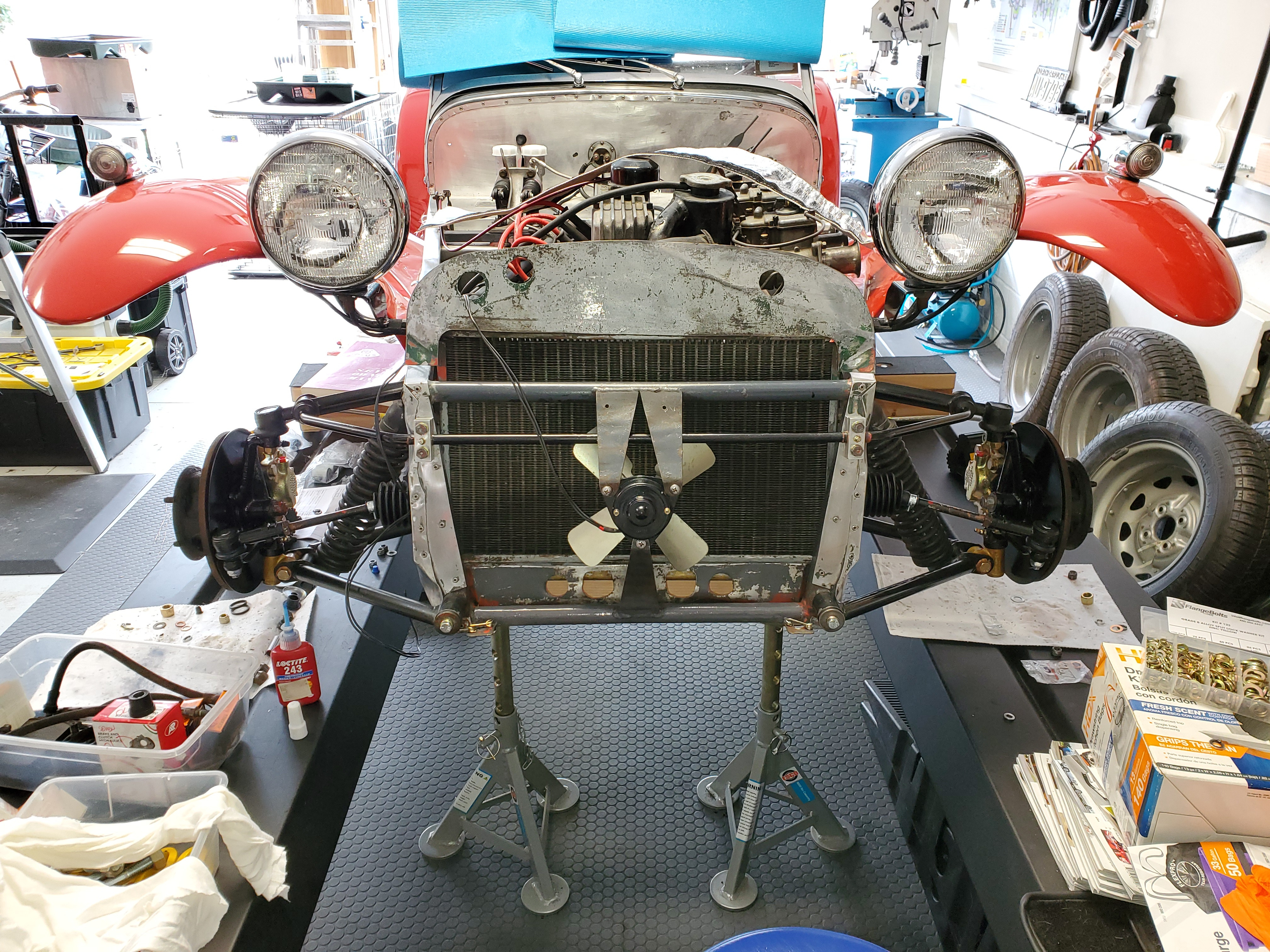
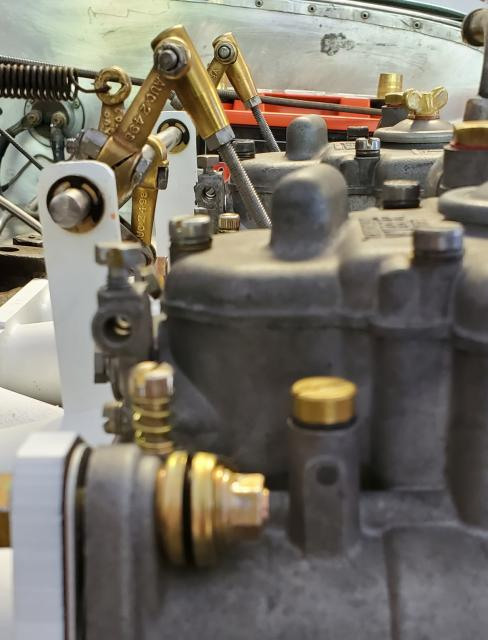
I'd forgotten that I originally tried using the misab plates, but this picture gives an idea of the rubber/brass washer system installed. I had some air leaks here that I determined resulted from a less than ideal fit of the embedded o-rings and the manifold groove. I replaced them with viton o-rings and have been good since. You can also see the jet nuts - those allowed me to get to them with a small socket and flexible extension. Otherwise you're stuck using wrenches on both bolt and nut and doing the job in small 1/8-ish turn increments. Ideally, you'd use feeler gauges to check the gap between carb and manifold all the way around, but that is much easier said than done. One strategy to getting the surfaces parallel is to tighten all the way (brass grommets touching, Thackeray washers closed) then back off an equal amount on each. Re the radiator, if you look at the last page in the thread I posted above, you'll find some pictures posted by @Stevensonjr, who I think is in AZ, that show his radiator setup (without the original mounts). In my area, freezing is rarely a concern, and I don't drive it or have it outside when it is super cold, so traditional antifreeze is not needed - and straight water is a better coolant than a mix with antifreeze. Of course, straight water doesn't offer some of the anti-corrosion benefits. NoRosion/HyperKuhl may be something you want to consider.
-
It is the one that was on the car when I got it, so I can't be certain. But it the same as ones I've seen on other similarly aged and equipped Sevens, so I assume it is either original or a like replacement.
-
Agree, don't use both - use the o-rings if they fit properly in the manifold. I'd also recommend some ez turn fuel lube on the o-ring, as well as on the idle air mixture screws, as these are areas prone to air leaks. The mounting bolt you have is a more modern replacement for the thackery washers. The advice I' e always been given is to use these for the top 2 bolts but thackerys for the bottom 2 (over time the rubber deteriorates more on the lower bolts). Whichever washer solution you go with, you'll want to make sure you get the spacing to spec and even all around the mount, which can be a little tricky as getting to the bolts and nuts on the bottom is fiddly. The manual will give you the specs, but suffice it to say you don't want the brass washers touching each other. Also consider specialty jet nuts as they downsize the wrench required which is helpful.
-
Post some pictures of what you have and you may get more definitive guidance, but it sounds like you are describing the misab plates many use on Elans. Do a search for misab on lotuselan.net and you'll find plenty of posts from folks who swear by them and plenty by folks who swear at them. Here is a link to a post in my rebuild thread where I started rebuilding my carbs. Might be a point of comparison as you're looking at your manifold. I sourced some viton rings of the right dimension, as the misab plates I had didn't seem to fit correctly the groove in my manifold. As you stated, I believe the misab plates were designed to fit between to flat surfaces. As to the fan mount, since it is a new chassis it probably isn't sacrilegious to remove them... but if some later owner wants to go back to original they'll curse you anyway. For what it is worth, I found an original style fan blade and, eventually, a motor and have had no problems keeping the engine cool (unless stuck in stop/start traffic on a 90° plus day, which I try to avoid). For color matching, I'd suggest trying to sign up on se7ens.net. That is the old listserv for Sevens enthusiasts. It is now largely inactive/defunct, and getting signed up is wonky (or was a few years ago when I signed up). But, if you can get in, you can search the old archives of messages and there is a lot of good stuff buried in there. I think I saved some messages on colors in my files, will see if can find them and will post if I do.
-
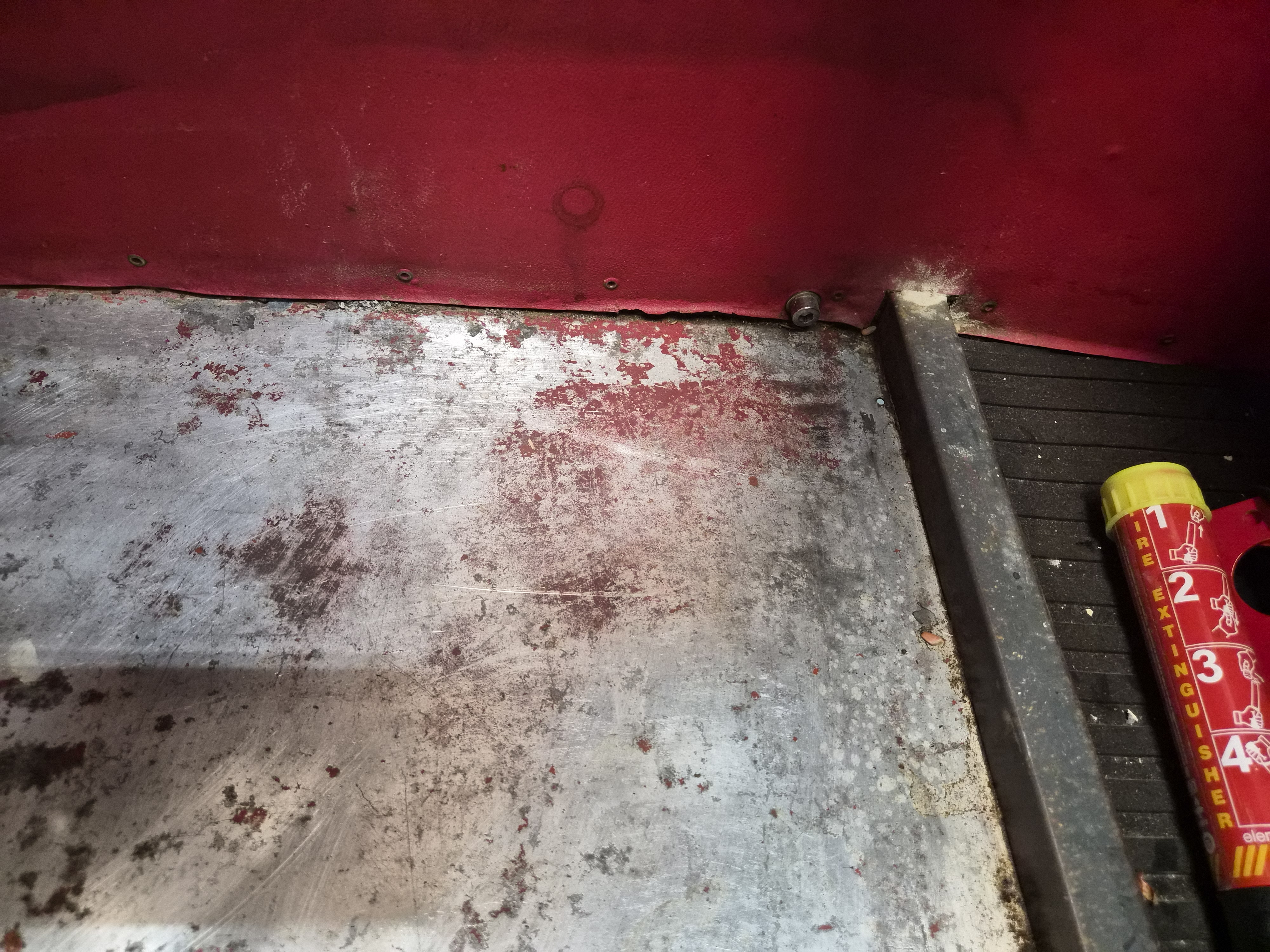
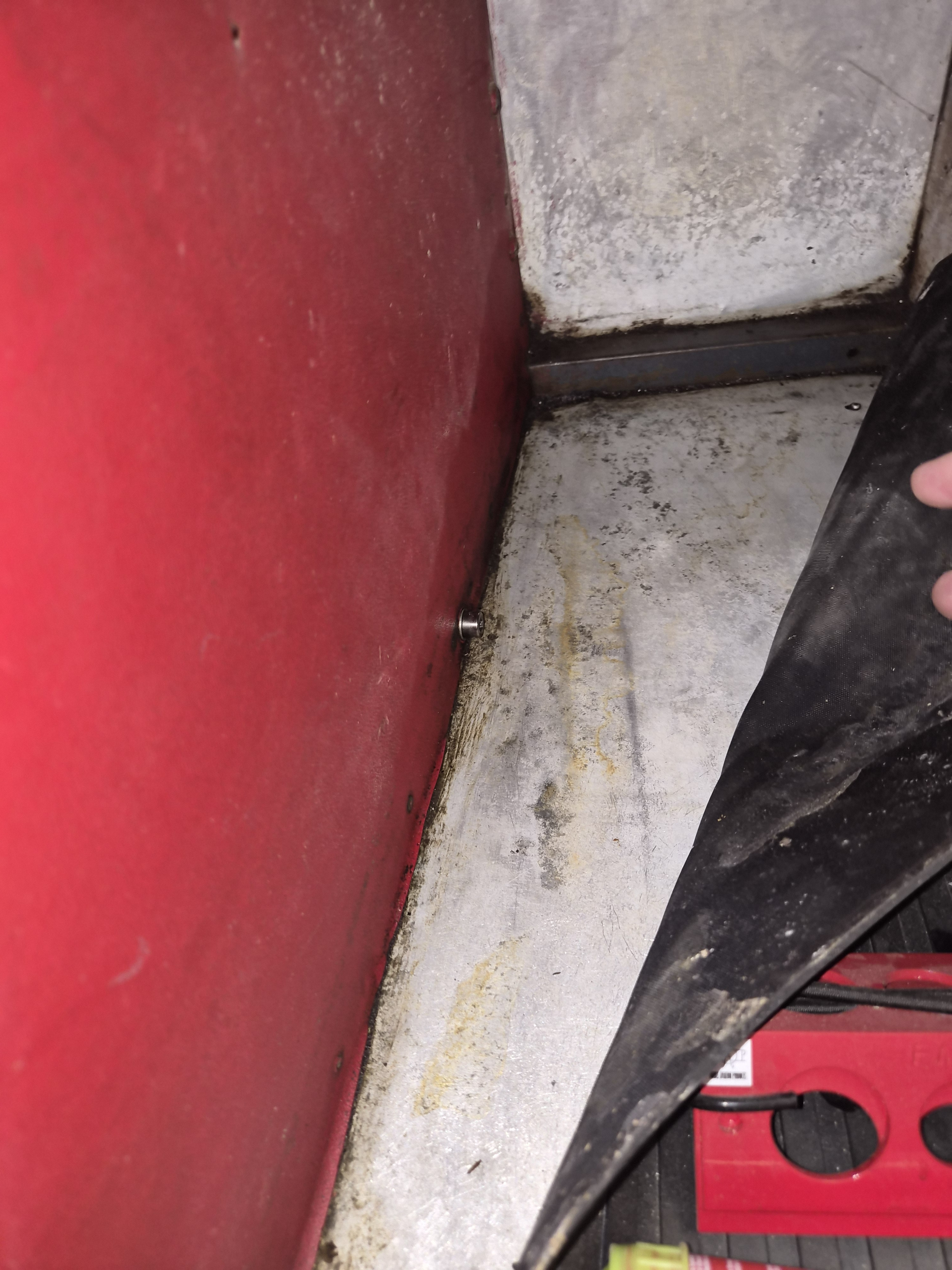
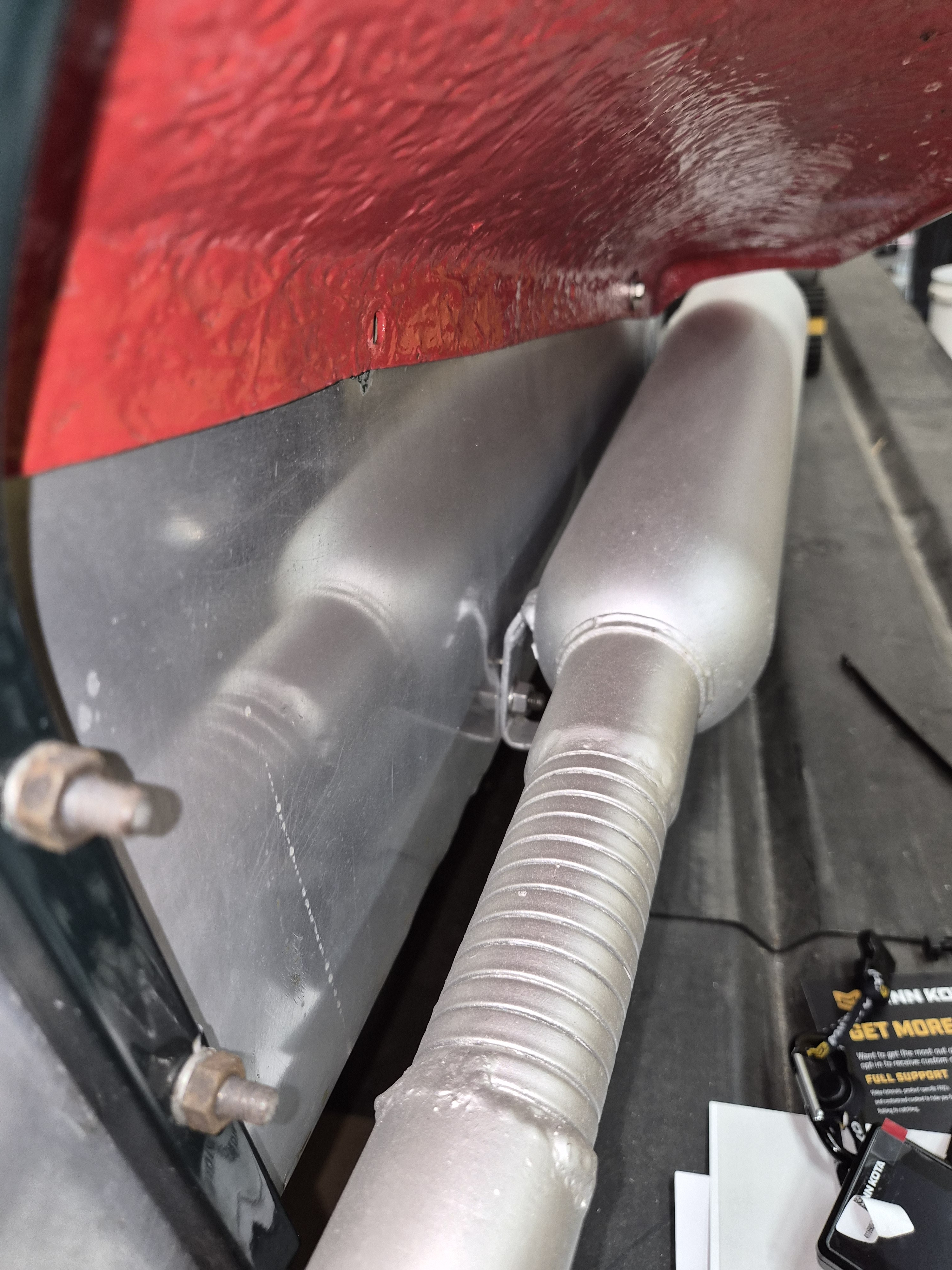
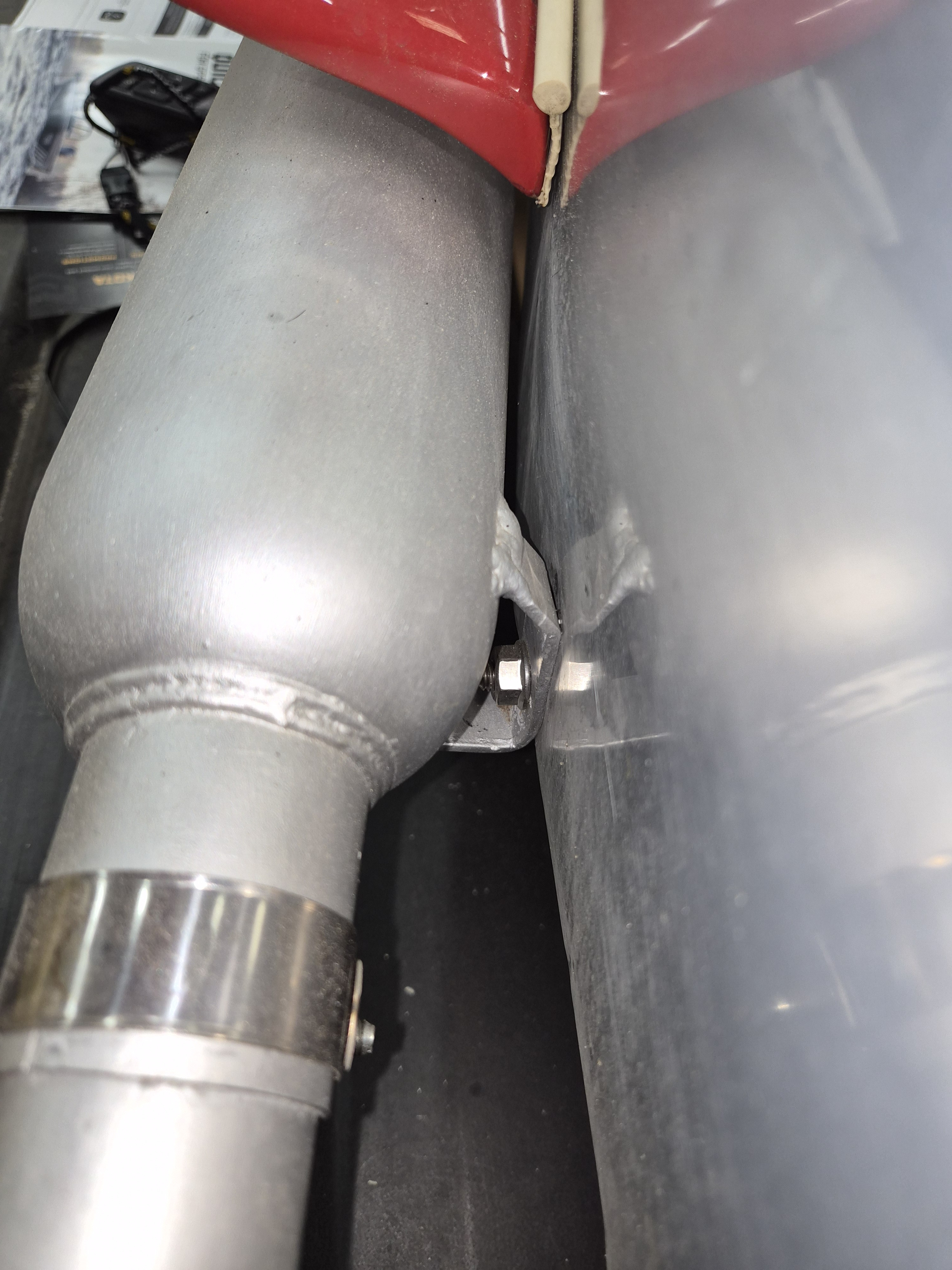
A few pictures of the attachm ent on mine. Through the aluminum skin, frame, and inside skin. Rear Front Hex/Allen key bolt heads inside. As I recall, when I removed mine, the nuts were tack welded to the exhaust bracket. After removing those during cleanup, I replaced them with jet-style nuts.
-
I'll be over in my shop this morning and grab a few photos for you, if someone else doesn't best me to it.
-

Possible new series 2 owner, with lots of questions
SENC replied to randomDMZ's topic in General Sevens Discussion
I'd guess either attempting to vent heat out of the engine bay after the larger engine was installed (note the additional fan mounting in the nose) or, as was stated earlier, some attempt to get heat on the windshield (note the heater box that would be centered below and between them. -
Possible new series 2 owner, with lots of questions
SENC replied to randomDMZ's topic in General Sevens Discussion
Sounds like you're making good headway, well done. Looking forward to watching your rebuild, hope you'll post a build thread! -
Possible new series 2 owner, with lots of questions
SENC replied to randomDMZ's topic in General Sevens Discussion
As Panamericano suggested, be on the lookout for stickers, etc. that may be in the vehicle or in parts boxes, etc. - it is amazing what little detail can lead to a major finding. One such item on mine lead to me finding a record of my car being shipped from the UK to Australia. I knew that had happened, but the details gained helped me tighten up a few timelines - that were later verified when I was put in touch with the original owner's widow (still in Australia). -
Possible new series 2 owner, with lots of questions
SENC replied to randomDMZ's topic in General Sevens Discussion
That would make a lot more sense than 65, in terms of when it left Lotus. Of course, it could have sat as a kit or just been used for racing an only been put on the street in the US in 65 and thus registered/titled. -
Possible new series 2 owner, with lots of questions
SENC replied to randomDMZ's topic in General Sevens Discussion
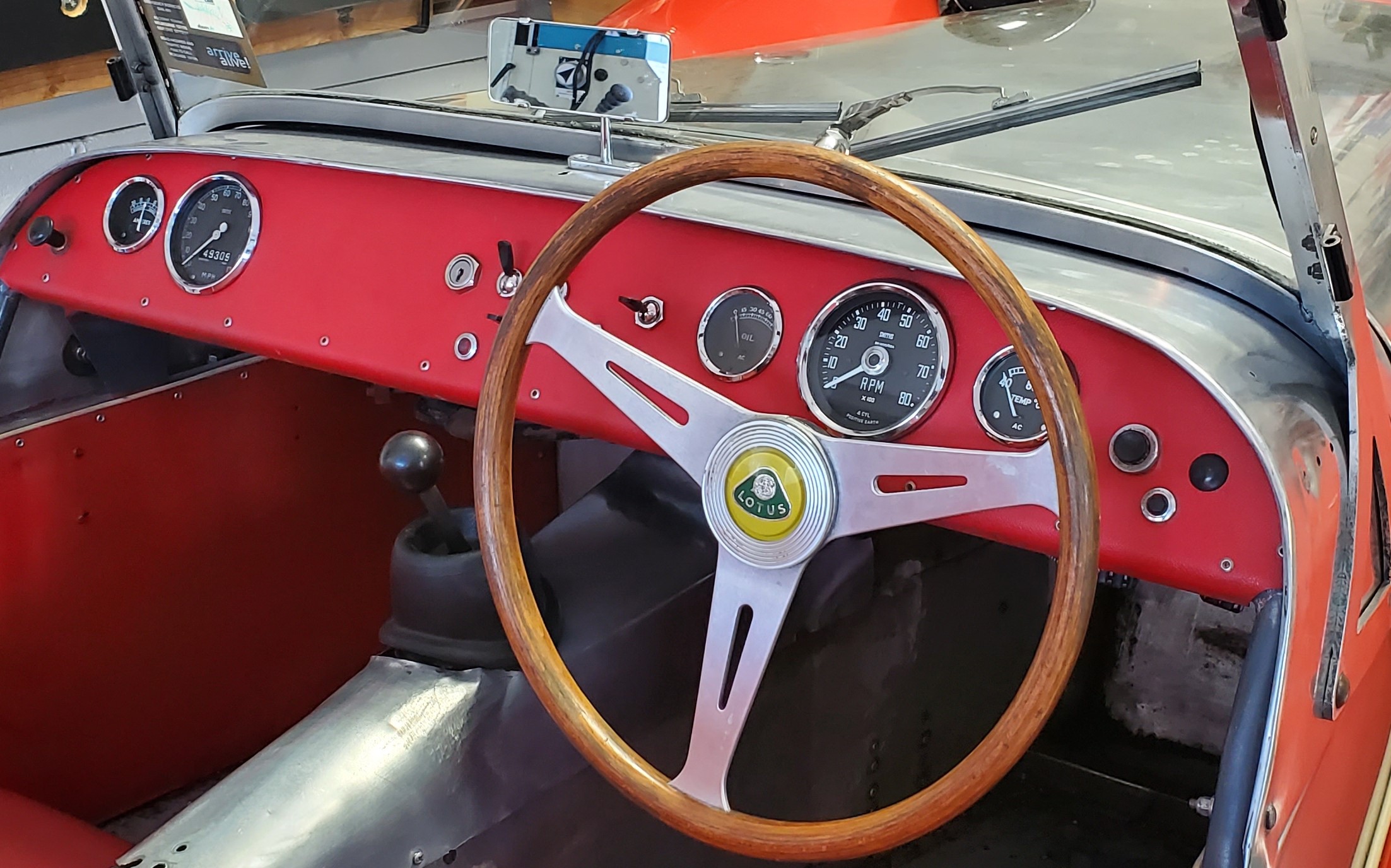
Not certain why you're worried about stepping on toes as I don't think there is necessarily disagreement. Bill's excellent site is a great reference, one that I use often - but if you read further in that section you'll note that he makes special note that his findings are NOT intended to describe how things left the factory, but rather as he found them some time later and perhaps modified. I did state that I had a recollection that the U may have been used for Universal-made replacement frames - I'm unfortunately away from my notes and other non-digital references so can't search to see if I can find such reference - but as I said that is just something in the back of my mind and I certainly wouldn't put money on it. I think the main point of my post was to try to assist the OP, who appeared in early posts to have particular interest in trying to establish whether this is actually a 1965 Lotus Seven (ie., was sold as such at the time). I don't see much in his posts nor the pictures that would make me confident in stating this is likely a 1965 Lotus Seven. A good history of ownership, matching up some numbers with Lotus records, a certificate from Andy at Lotus, or a review from John Watson would, in my opinion, be the only way to establish this isn't a bitsa Seven. As I stated in my original post - there is nothing wrong with a bitsa, unless having an "original, from the factory" car is important to a particular owner. To the OP - these cars have long been challenging to validate as a "real deal" Lotus Seven, for lots of reasons. There were very few to start with, many (most) were sold as "kits" and not necessarily assembled with parts as supplied; many were raced and modified and raced and modified; many were wrecked and rebuilt; Lotus records were not great to start out with and some of what did exist were lost; Lotus itself frequently changed suppliers, pulled from old stock, used stock out of sequence, etc. etc. What I'm getting at is that it isn't easy to validate a particular vehicle even with a lot of good indicators, but with the information you've shared, IMO, it is almost impossible to have a high degree of confidence that what you're looking at is something that Lotus sold in 1965. Could it be? Sure! But I'm seeing more that raise questions for me than I'm seeing evidence of authenticity. To be specific: 1 - the VIN/Chassis plate is incomplete, at best, but perhaps a reproduction- as I stated earlier, if it actually starts with SB11xx, that would most likely be for a car built prior to 65 - if it starts with SB17xx, that would seem more likely around 64/65 2 - lack of a title - certainly there could be lots of explanations, but this one has to raise a question 3 - frame number and stamping - it isn't clear to me from the picture the location where, on the frame, this stamping is found - when Universal stamped the frame near the clutch and slave cylinders, that stamping is directly into the frame and NOT a second piece welded to the frame - If yours is welded to the frame down in the foot well, then it may be OK, but that would suggest to me a car built earlier than 1965. I've not seen anything definitive on when the stamping moved from foot well to near the cylinder mount, but based in the limited sample size I've seen I'd guess that happened pre-64. Could Lotus have used, in 1965, and older frame with a welded on U#, sure, it just raises a question for me. 4 - lack of information on the engine, carbs, etc. - the block should have a number that corresponds with what is on the VIN plate - also engine type and any identifying cast numbers plus carburetor type and numbers MIGHT provide valuable clues (see lotus7register.co.uk for good lists by model and year) 5 - various modifications - later, S3-style rear fenders (likely needed for the larger after-market wheels and tires - given these mods, there is a decent chance you'll find a non-stock or upgraded rear axle and differential underneath); the heavily modified bonnet; the dune buggy bumper and light rack 6 - pictures of the dash, wheel, instruments, foot wells, gas tank, radiator, and suspension could all go a long way to swaying opinion, but given what is obviously modified (#5) it seems likely to me that these things may have been modified as well and wouldn't likely yield conclusive evidence to support originality. So, could this be a 65 S2 originally sold by Lotus but with lots of subsequent mods and maybe a replacement frame? Yes, I think it is conceivable - but without some solid history from the current owner and/or a definitive VIN/Chassis number and an ability to match it to a frame number and/or engine # (via John Watson, Andy Graham, or one of the few others with access to copies of Lotus records), I don't think you could ever be confident of that fact. You more likely could, however, get confident that all the bits and parts were appropriate for a Lotus Seven, were made by Lotus or one of it's suppliers, and that the vehicle is consisten with a 60s Lotus Seven that has been used and raced and updated over its 60 year life.