
Silber
-
Posts
110 -
Joined
-
Last visited
Recent Profile Visitors
1,598 profile views


-
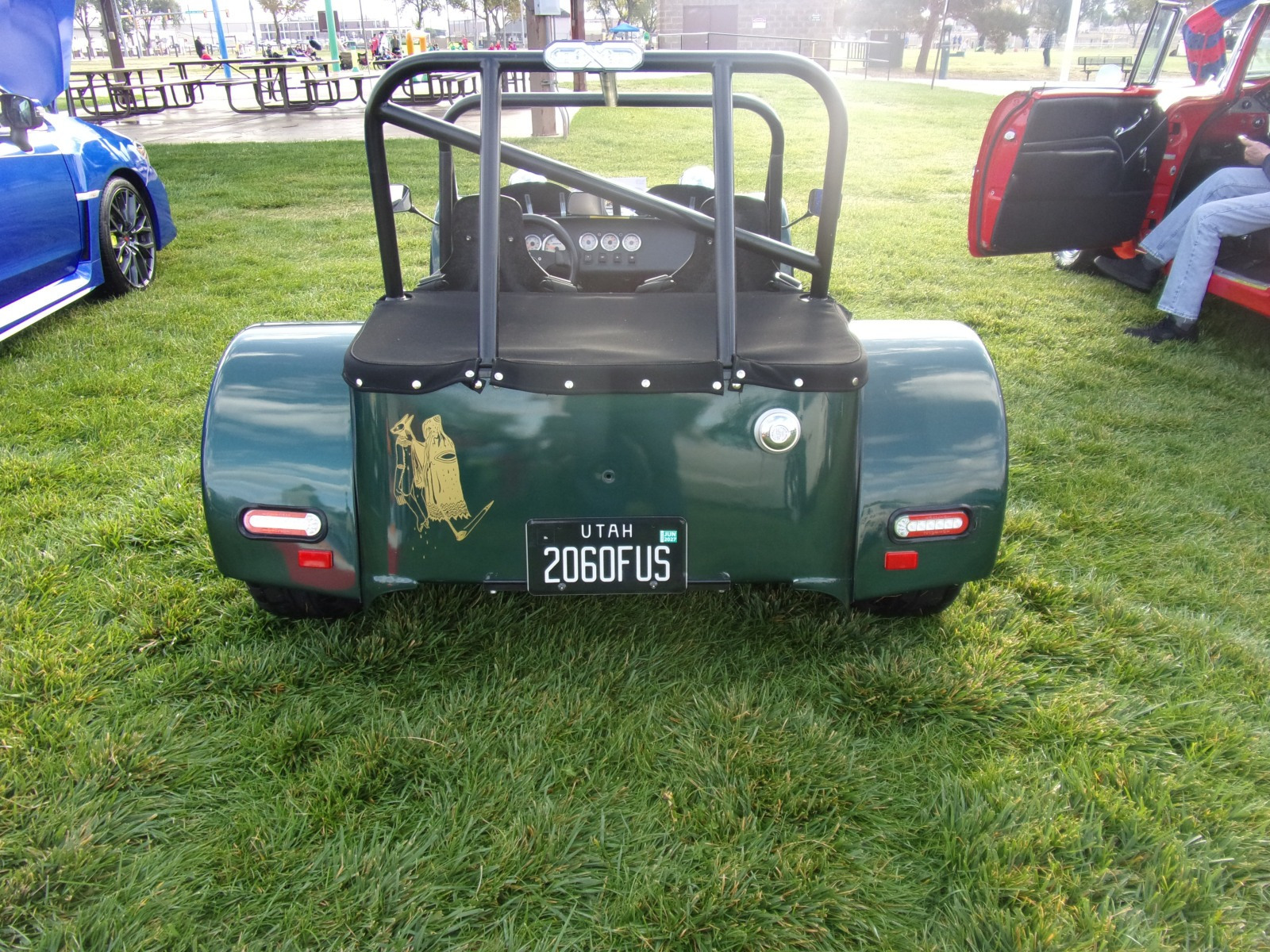
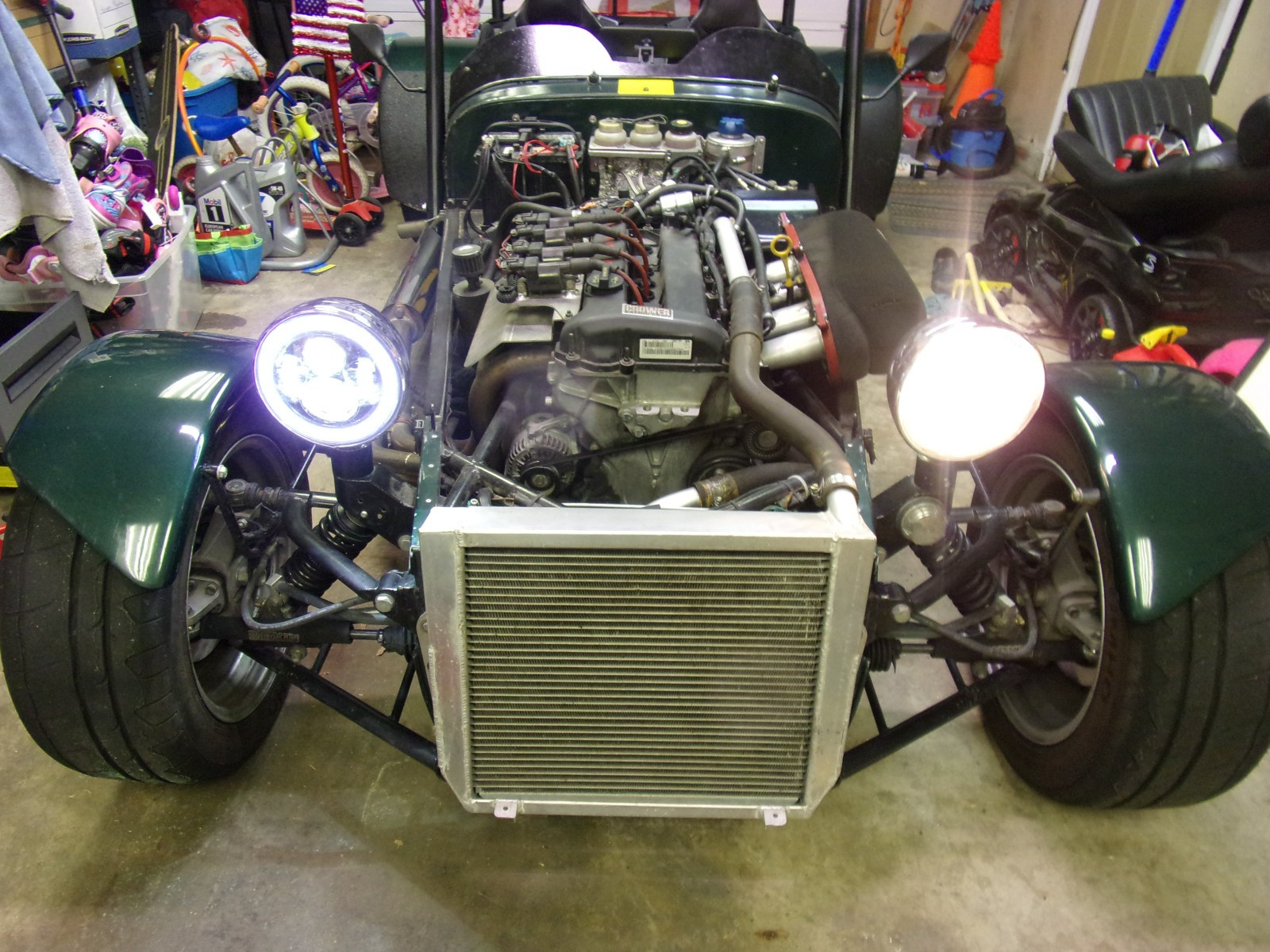
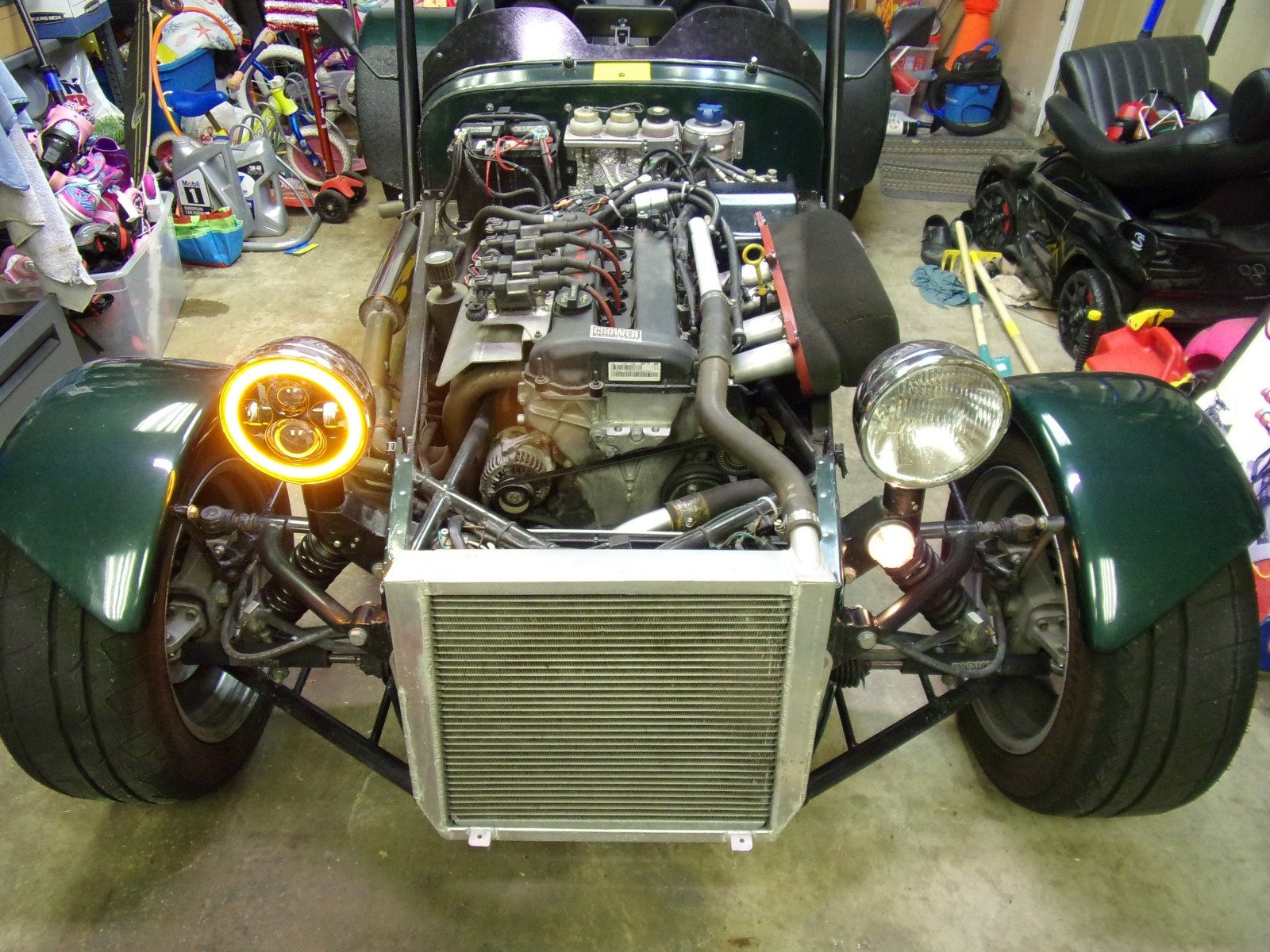
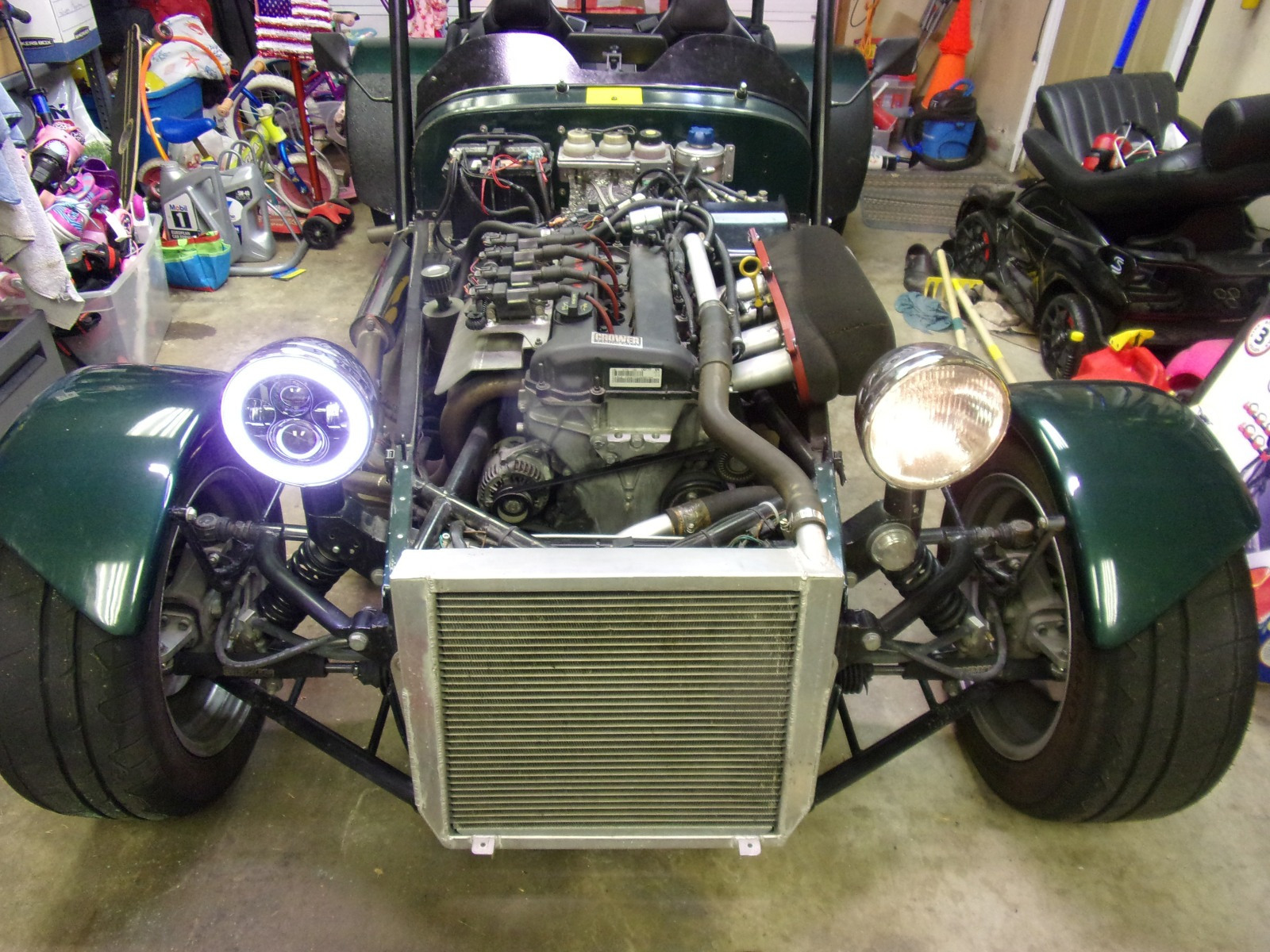
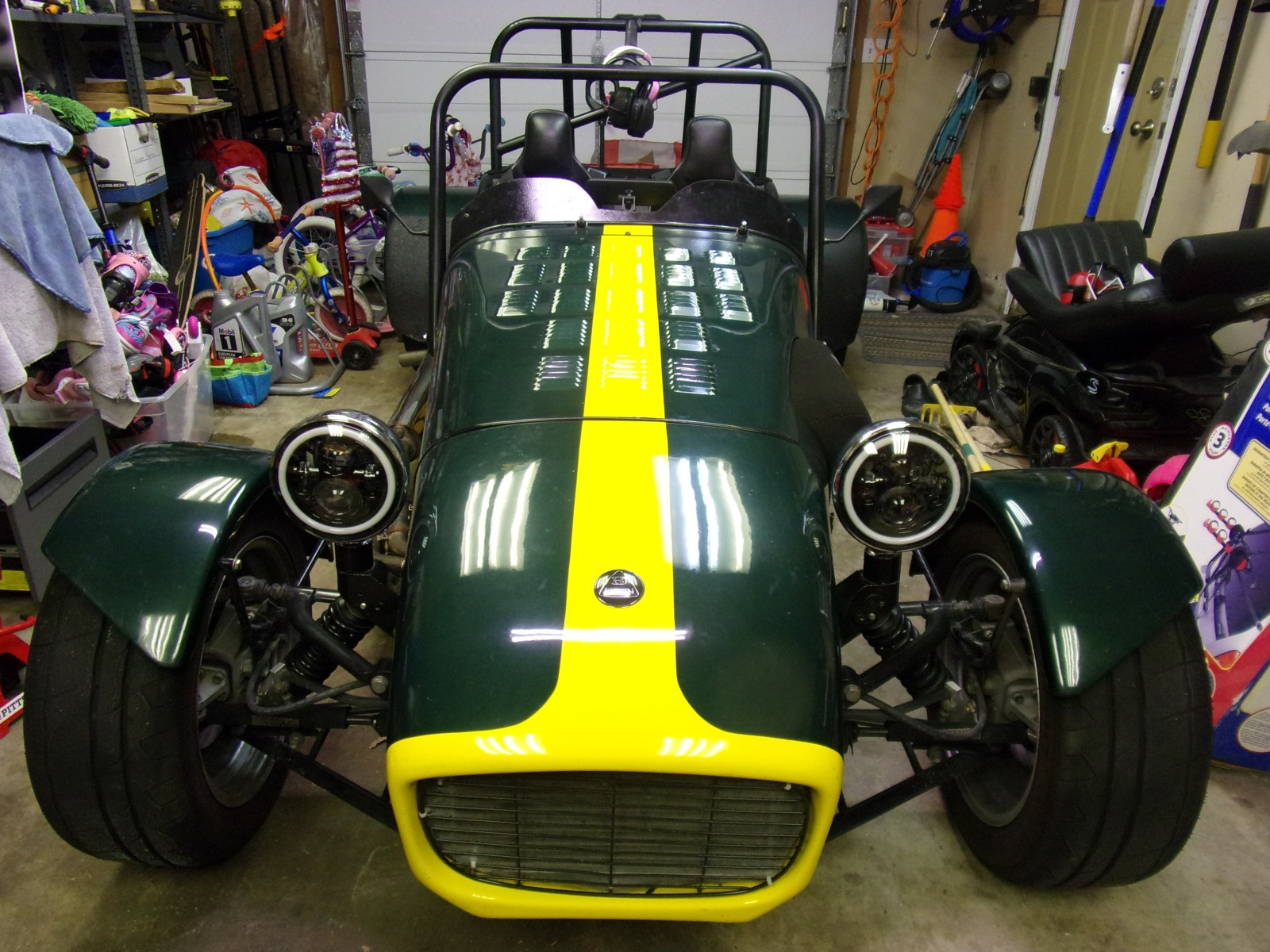
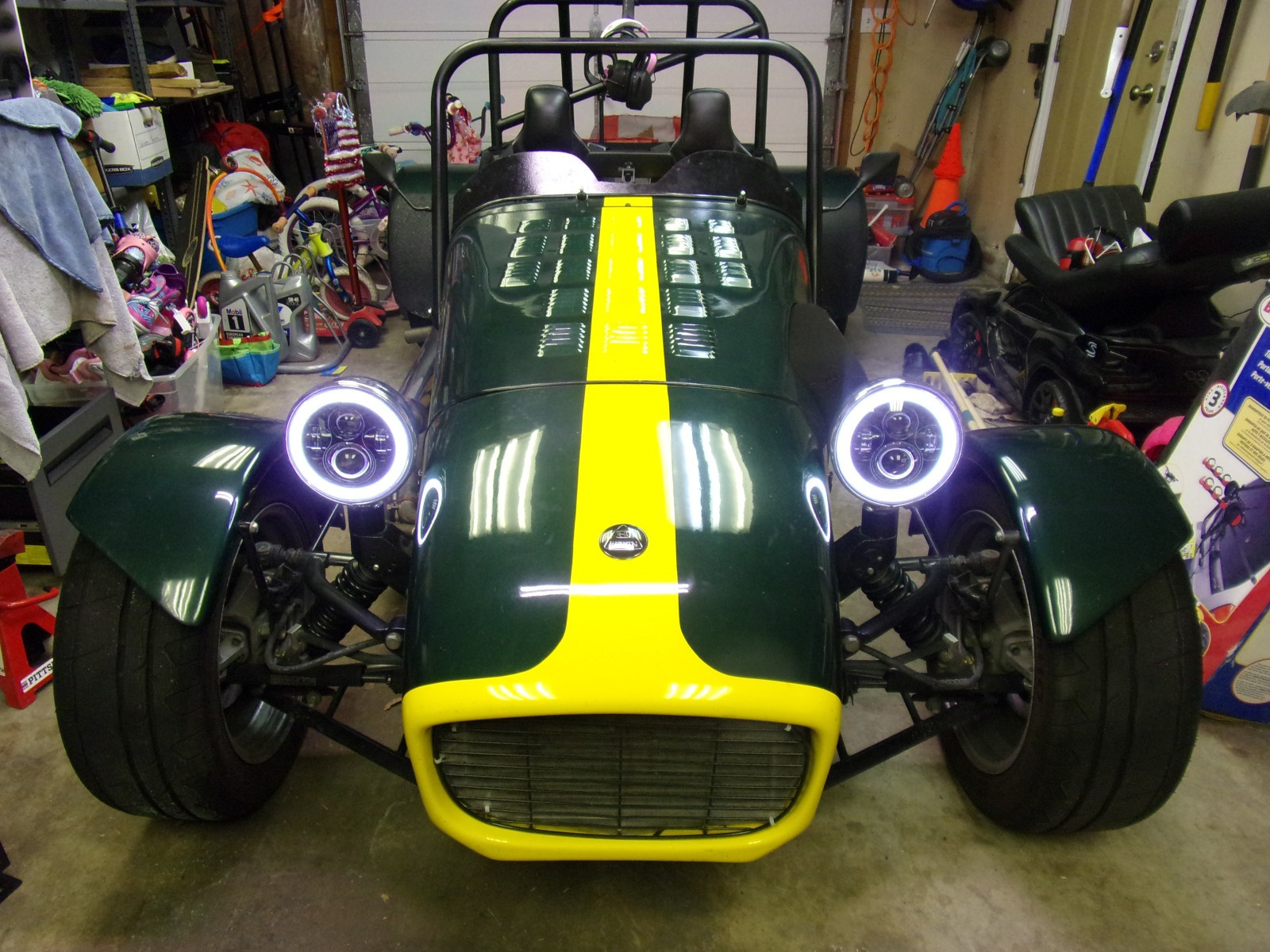
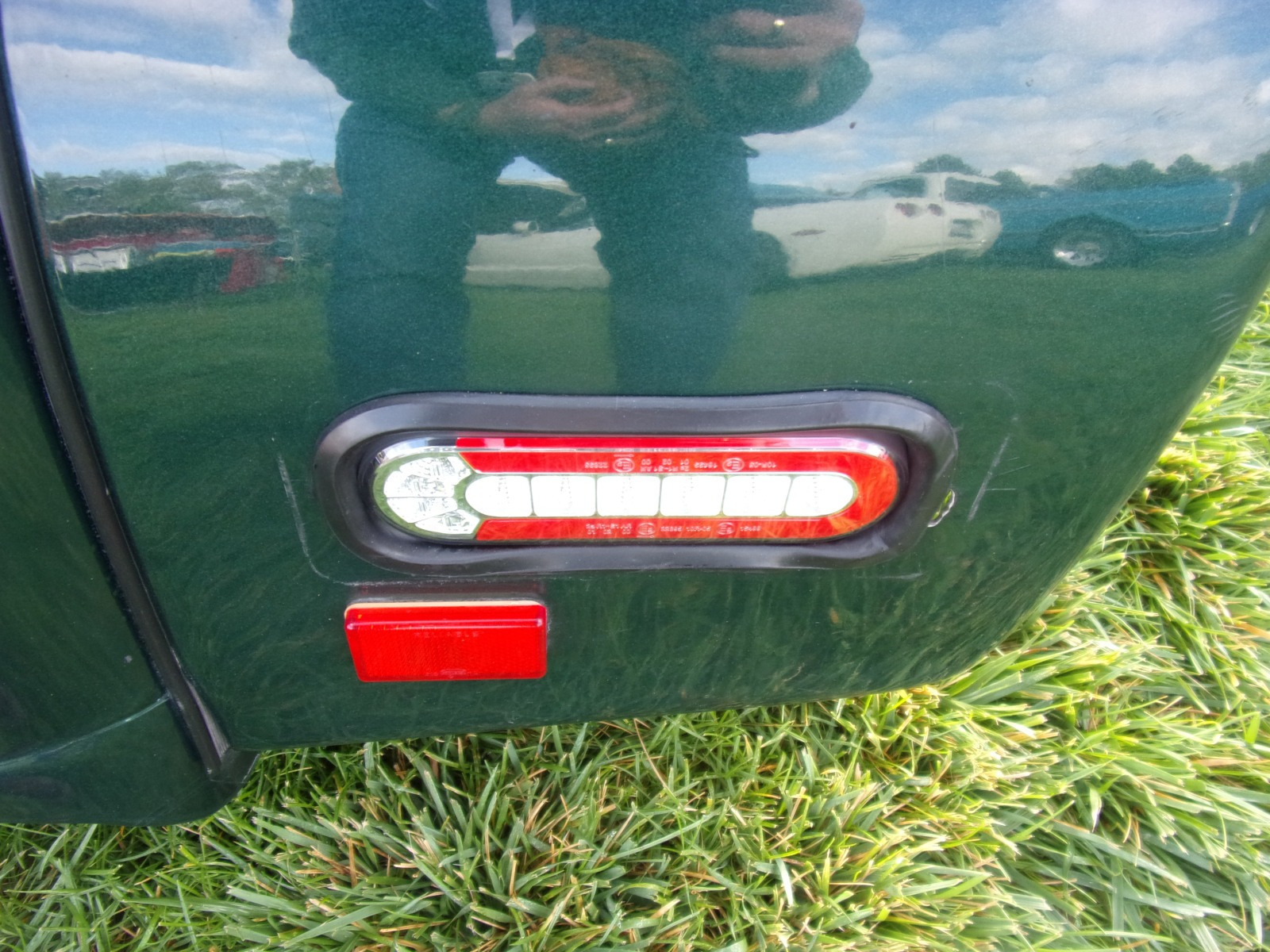
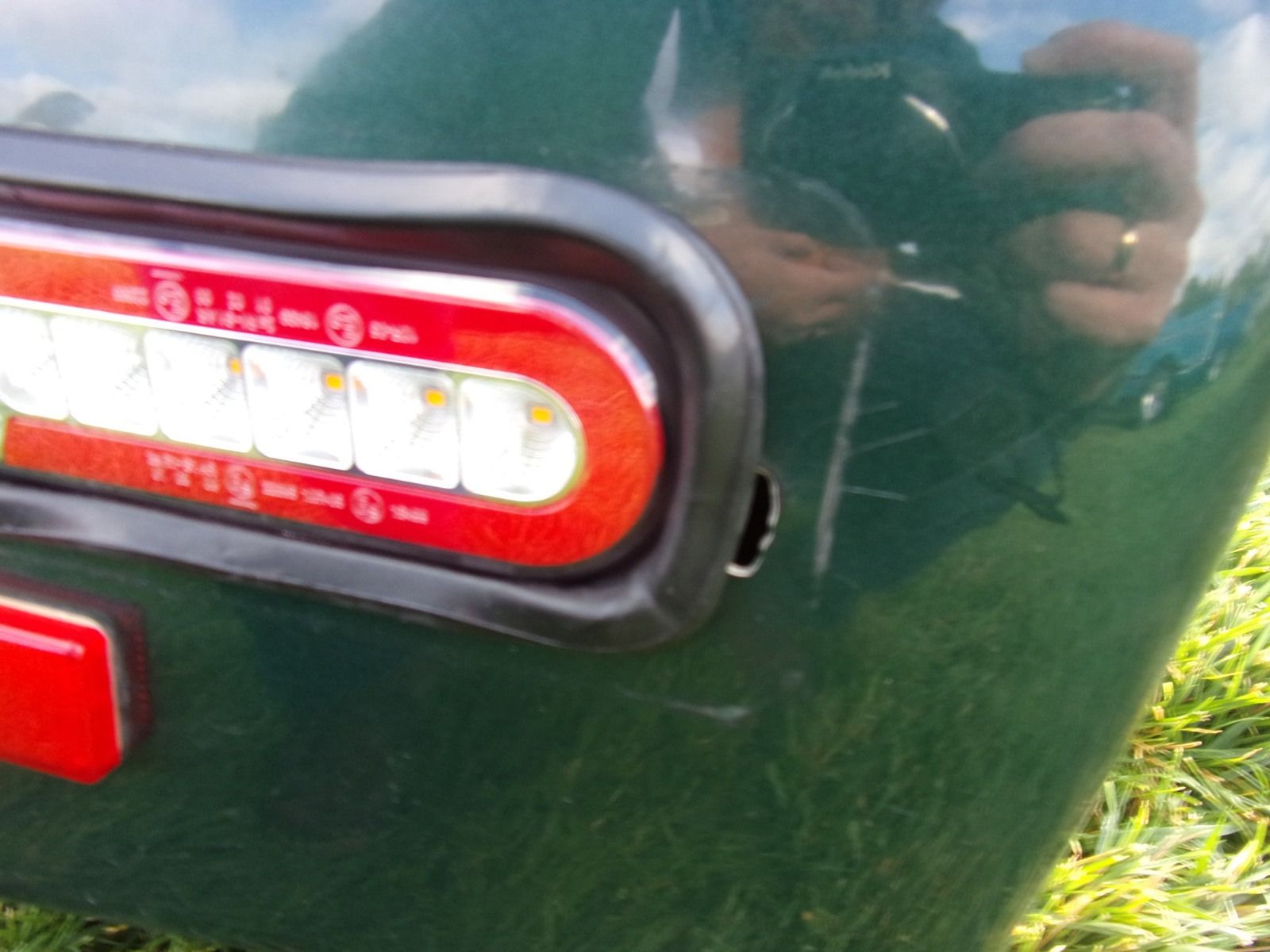
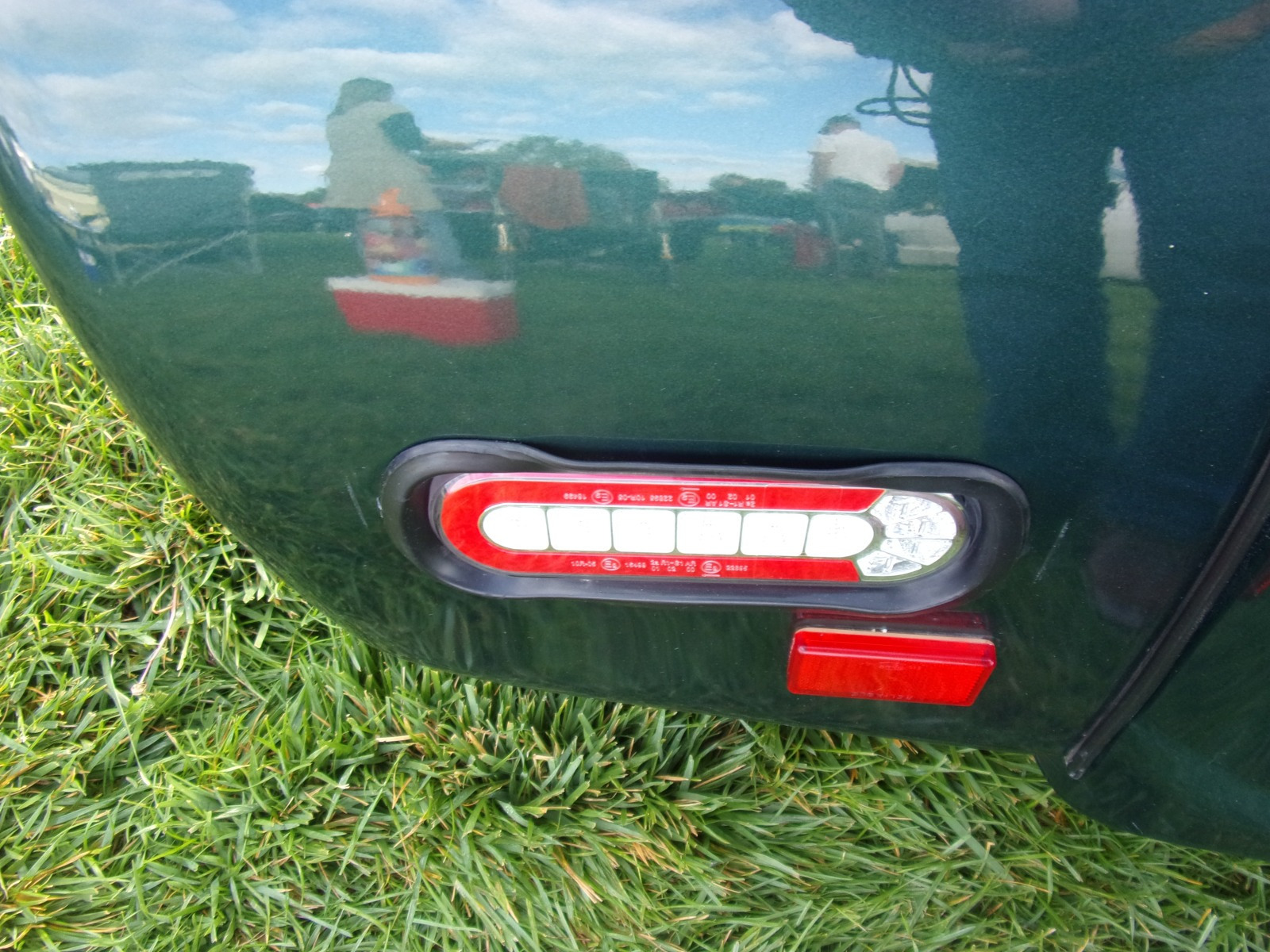
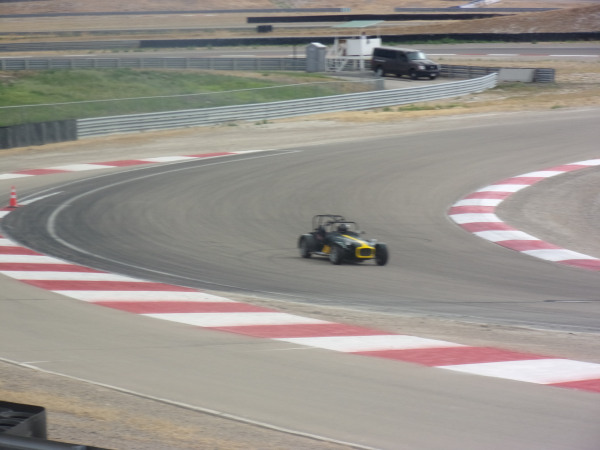
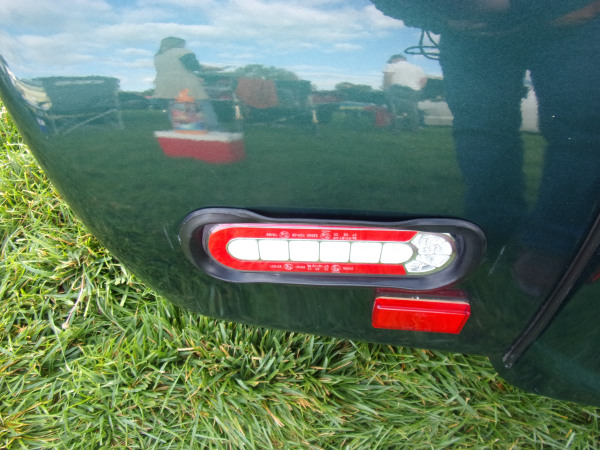
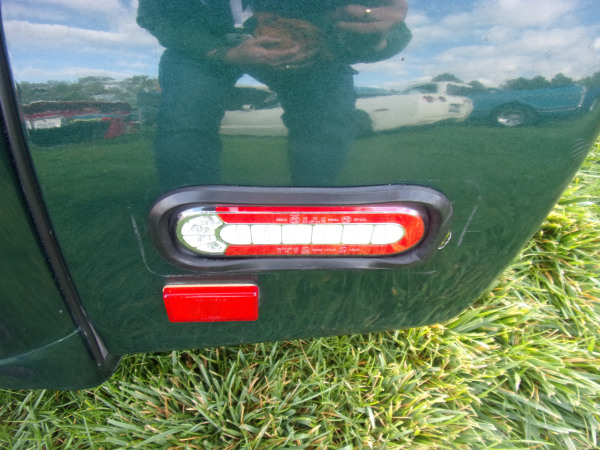
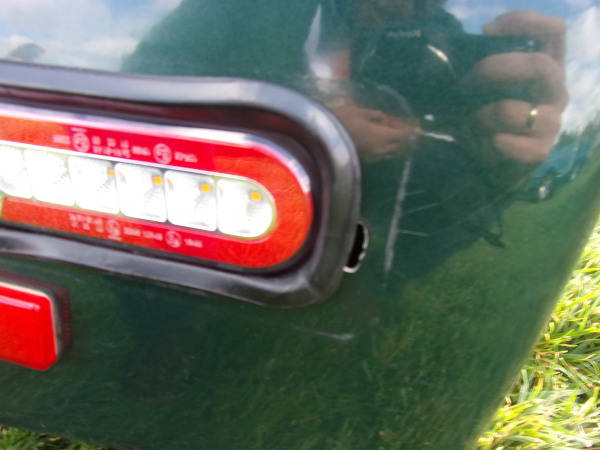
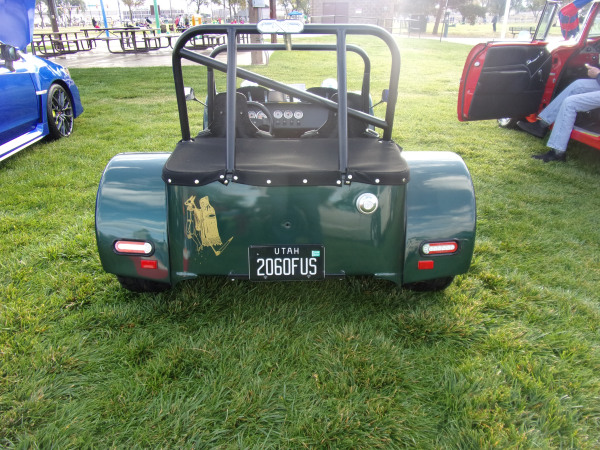
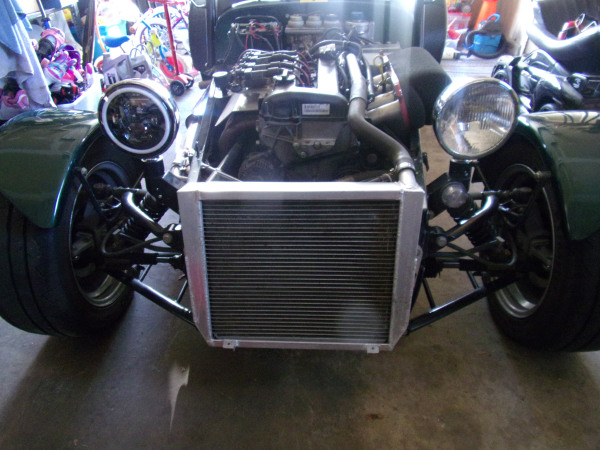
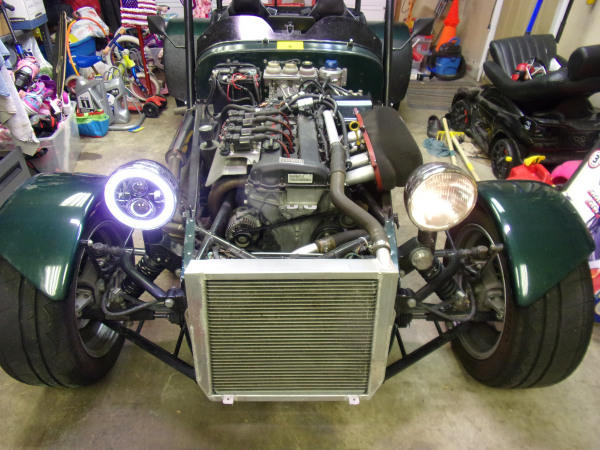
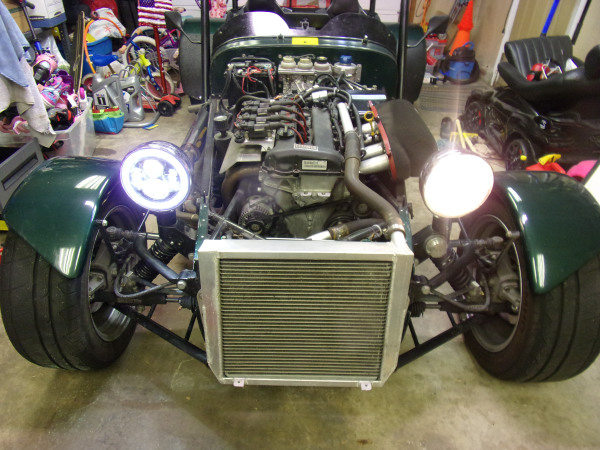
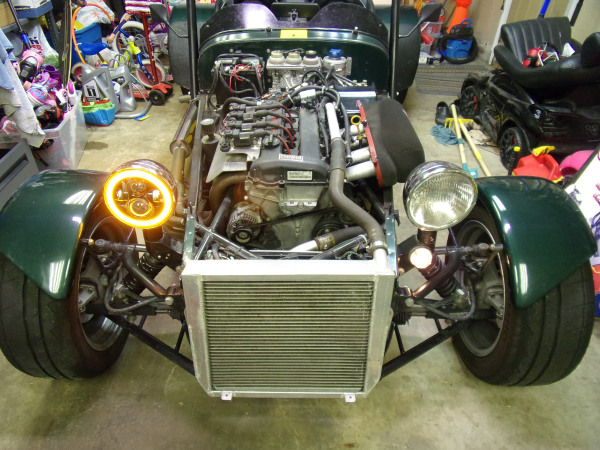
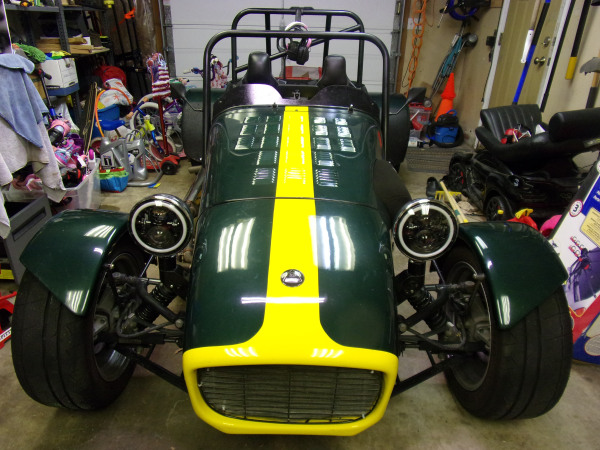
Scratching it off my to-do list to give an update here. I've been able to have some good times with Bones this summer and into fall. In preparation for the track session in July I swapped out the roll bar for the roll cage. The roll cage is a custom piece the original owner had built, and it included an integrated windshield that was fine, but I've liked the looks and benefit of aeroscreens, so I removed the windshield and added own DIY aeroscreen. I'm a frugal guy, so instead of buying an aeroscreen for hundreds of $$ I made it for $0 with materials I already had on hand. It's not pretty, nor perfect, but it functions great. No photos of the process, but I used cardboard to make a template and then cut it out of a plastic sheet I had, then used generic L-brackets to mount it to the scuttle. I used two existing holes (for the heated windscreen wires) to bolt it on, and the other brackets are double-sided tape. Having Bones on track was enjoyable. I went to West Desert, formerly Utah Motorsports Campus, formerly Miller Motorsports Park and ran the East Track configuration. They do a "Wide Open Wednesday" program at the track where folks can sign up for limited lap time on a Wednesday afternoon/evening, so I signed up for an hour of open track time. I ran almost the entire session non-stop, taking one 10-minute or so break in the middle of the session, and with only three other cars in my session traffic was almost non-existent. The guy in the C8 Z06 Corvette was willing to do some lead-and-follow, which was nice because the Porsche 914 and the Spec Miata were definitely slower than Bones. The driver in the Spec Miata also was not great at giving point-bys, which you can see in the videos I posted. I was cautious with my driving, and was definitely driving below the car's capabilities, but still turned a 1:50.xx. I'm okay with that, but I know there's more on the table. I also posted about the drivetrain noise I noticed, and that is still unresolved, but it is intermittent and doesn't appear to be anything major. Considering how noisey the Birkin is anyway, there is a fair chance it's always been there and I just haven't noticed Otherwise, I've replaced all the lights on Bones with LED replacements. The original taillights were in very poor shape and required constant fiddling to make them work, and even then they weren't very bright, so I started out with some lights suggested in the Budget LED Taillights? thread. Then I turned to the headlights. I've disliked the original front turn signals, so I went with a headlight with integrated turn signals and completely removed the originals. I'm happy with the results. I had a tough time getting the headlight bowl reattched on the first side, but removing the upper damper bolt helped a lot, and the second one went a lot faster. Luckily my flasher relay was up to the task of controlling the turn signals, but the indicator light on the dash was acting as a bridge, thus linking both sides and causing both sides to flash instead of left/right. I disconnected the indicator light for now so that the turn signals operate correctly, and will add some diodes in the future to make the dash light functional. I'm happy with the look, and the lights were pretty affordable as well.

-
I think you're right, as it was a really tight fit. I may go that route and get these grommets to fit better, but I'm also thinking about finding an alternative that covers a little more around the hole, as the outer mounting holes from the original lights are not covered well. Either way, I'm pleased with the lights and are substantially better than the factory units. Thanks for pointing them out to me!
-
Getting around to replying to this thread. I did the same lights on my Birkin with some generic rubber grommets. The fit of the lights and the grommets is less than perfect, but will do for now. I like the look and the price was excellent compared to the Caterham-specific kits.
-
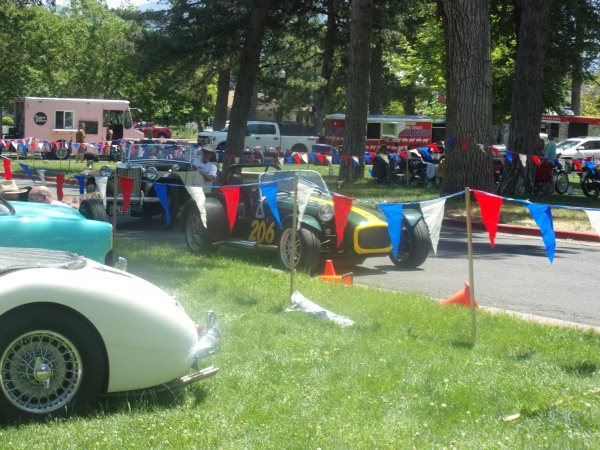
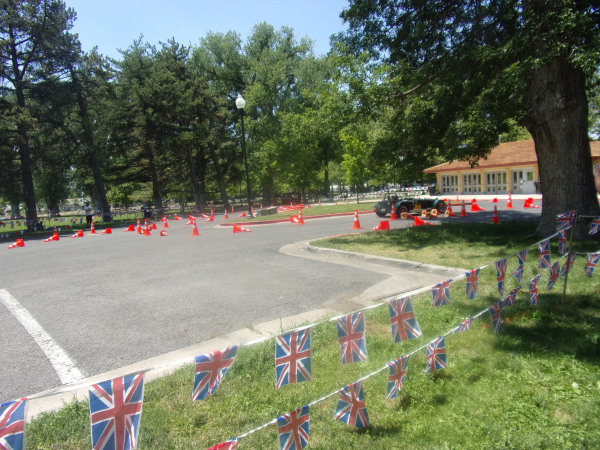
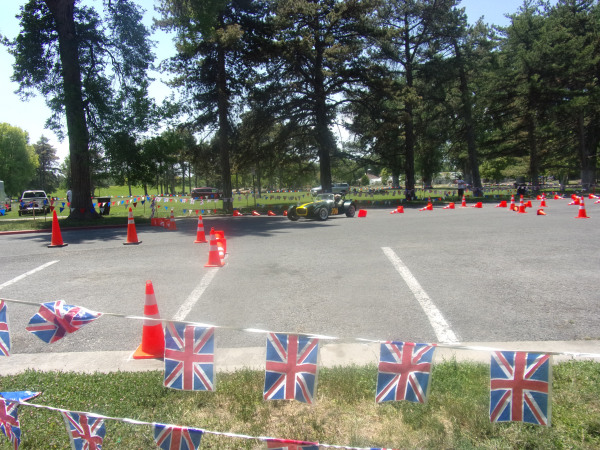
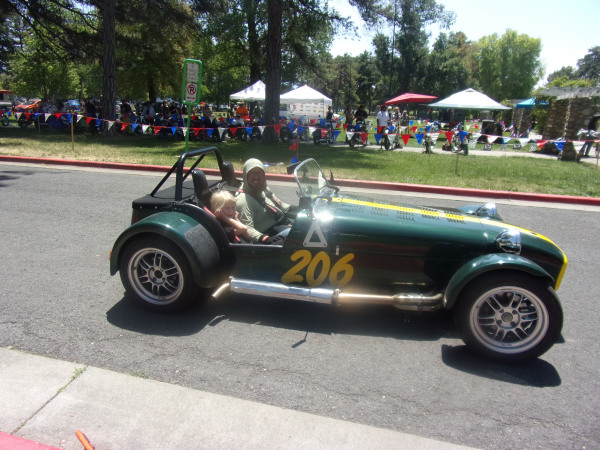
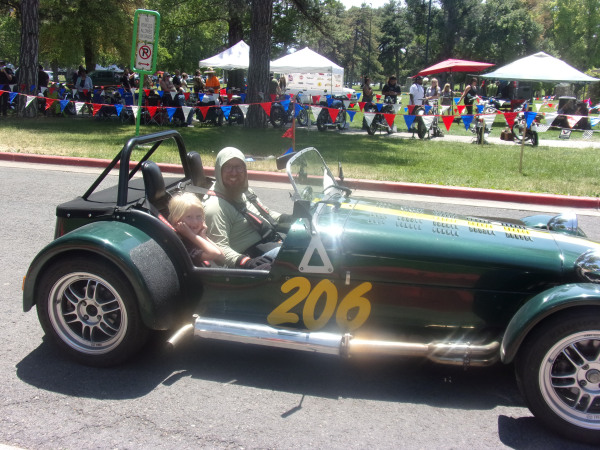
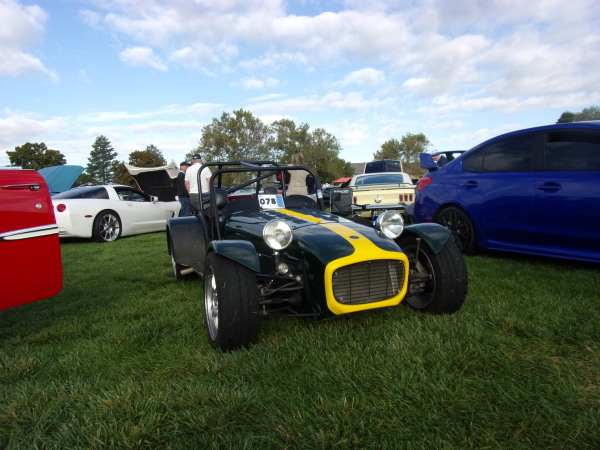
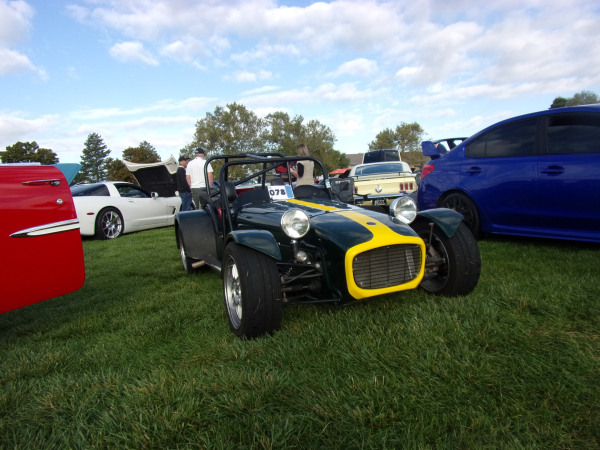
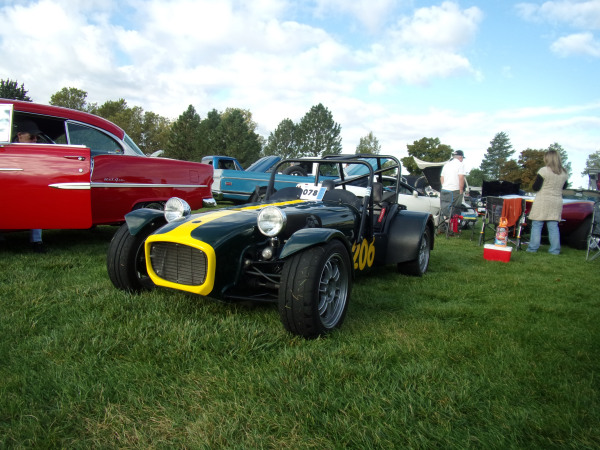
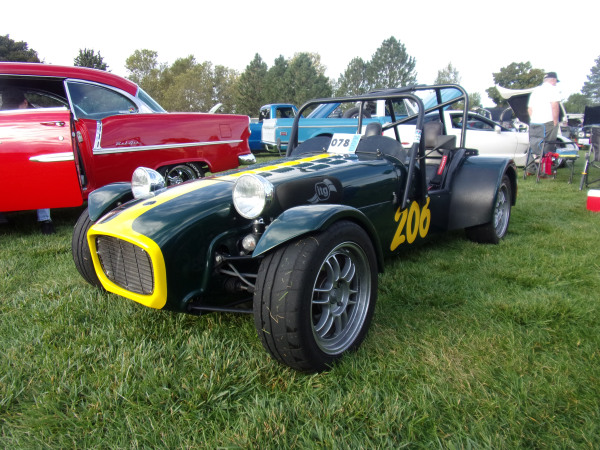
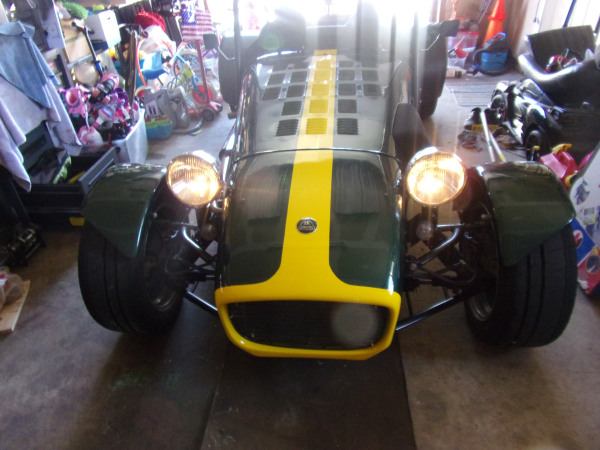
Pictures from my 2009 Birkin.
-
-
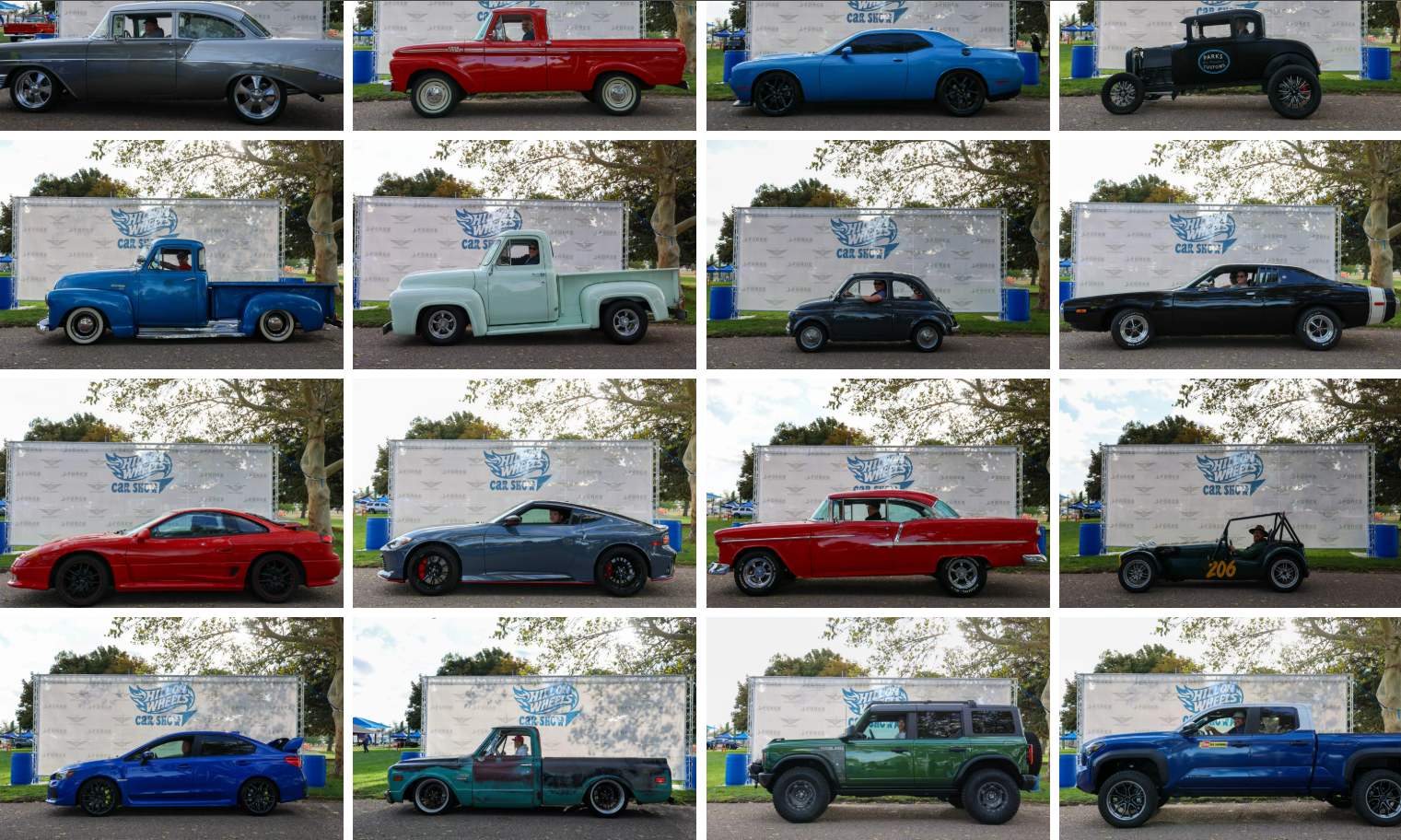
The car show wasn't today, but this screenshot is. My work had a car show recently and took photos of entrants as they arrived and shared them in a great way to get some perspective on the sizes of different vehicles:
-
I just drove 89 on the other side of Prescott, driving from Flagstaff to Prescott. Excellent drive and I particularly enjoyed entering Oak Creek Canyon, as well as driving up through Jerome and the following few miles. Arizona has some beautiful scenery. I wish I could have incoporated the drive to Wickenburg, but I was travelling for work and needed to be back in St. George the same day.
-
Lotus United Gathering 2026 - 24-28 September, 2026
Silber replied to Silber's topic in National Events
@pethier I hope the weather is better out at the track than it is along the Wasatch bench. I wish I didn't have to be at work today, but I unfortunately couldn't get away to go play at the track today. -
In search of the Momo quick release hub
Silber replied to Exarkun1178's topic in Parts For Sale / Wanted
Not sure if you're looking for a bolt-on or a weld-on solution, or if you just want extra hubs to be able to easily switch steering wheels without swapping hardware, but the Caterham parts appear to use Lifeline quick releases (based on the pictures in the links you posted). You can find them here and here. -
Lotus United Gathering 2026 - 24-28 September, 2026
Silber replied to Silber's topic in National Events
I wasn't able to commit to the whole thing, and thus didn't register for the event, but I would still like to see if there are any parts that I could join unofficially, or if anyone is interested in an unofficial USA7's meetup while folks are here in Utah. Any input on either option from those who are attending? -
93 Octane Gasoline along I-80 in western Wyoming and in Utah?
Silber replied to pethier's topic in General Sevens Discussion
The website does list one station with 93: Miller's Travel Plaza - Chevron 2410 West Main, Tremonton UT 435-257-7249 But most of our gas stations here in Utah just sell 91 octane or lower, and I can't think of any that I frequent that have 93. -
No proper update yet, but the car has been parked since the track outing. Why, you ask? Because is developed a noise in the drivetrain: Life with the family has been keeping me busy, so this has been backburnered, but I have an event I'd like to take the 7 to in a few weeks, so it's time to get my butt in gear and figure out what is making the noise. For those who want to try and diagnose just from the short video clip (and give me a clue on what to look for), some background information: Noticed the noise in the pits after the end of an hour-ish on track. Noise appears to be coming from the transmission, not the enginex. Car drives and shifts fine, just makes the new noise. I drove the appoximately 35 miles back home from the track with no incident. I'd be happy to hear any educated guesses from the great folks here that know way more about these cars than I do.
-
@JB455 You are awesome. I'm really grateful you tried this out and confirmed it works. I'll need to double check that my fenders are cut out the same way yours are, and once that is done I'll order some lights and grommets and replicate what you did. I'll report back here when I'm done. I'm sure the pictures don't do it justice, but the standard running light is so pitiful. I'm excited to try this out.
-
@JB455 Can I ask you for the links for what you purchased? That looks like a great alternative to the original Birkin lights.
-
Looking forward to seeing how they turn out. I may copy your setup if it works out well.
-
I'm following this topic to see if anyone comes up with an affordable solution. My Birkin lights are also as @JB455 described, mediocre at best. I put in LED turn signal bulbs which helps with that, but the taillights are incredibly dim, if they are even working. One socket is really fiddly with how the bulb sits in and often goes out when driving. I've looked but haven't found an off-the-shelf solution yet, but I'll take another look at Amazon.