
BrunnyS1
-
Posts
118 -
Joined
Content Type
Profiles
Forums
Store
Articles
Gallery
Events
Library
Everything posted by BrunnyS1
-
Did you think of shipping it back to Caterham USA in Colorado for them to fix? I am sure that if you send them detailed pics they will know which way to go. Maybe it can be fixed locally with new parts. Feel bad for you.
-
can we list cars for sale here by owner yet
-
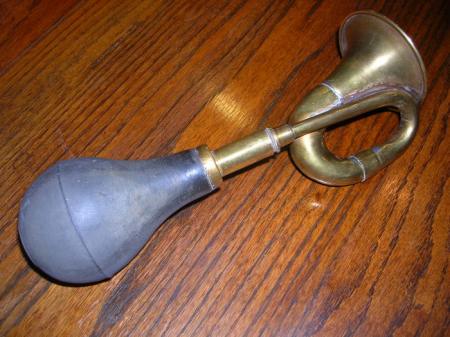
Any recommendations for really loud horns?
BrunnyS1 replied to Ruadhd2's topic in Parts For Sale / Wanted
Cant beat a good honk
-
Hmm, I bought this point up about listing the car for sale section open for all yet it fell on deaf ears. It would be a good thing. Good Luck.... Oy Oy Oy !!! So where did you find an Atom and whats a "very good price", they makes 7,s look as common as Civics. How did you do on the track by the way?
-
So is the deal : Only payed up club members can list a car 4 sale (or a car they have seen for sale), that may be of interest to anyone looking on this forum, in the "For Sale" section; but a club manager (if he spots the thread) can re- post said listing of a non-paid member into the "For Sale" section, if he wishes to do so? Yet anyone can post in the parts section? I think it would be great to be able to open up the for sale section to all 7 sellers as these cars are not that common and it would help new buyers and sellers who want to list their cars for free ( like many other sites).
-
1977 caterham twin cam to zetec?
BrunnyS1 replied to trough doctor's topic in General Sevens Discussion
Guess it's worth what you paid for it ....??? -
yeah we do , but this has to be the lamest of the lame....lol.
-
Sounds good but I need to know engine HP , drivetrain specs and total weight before I dive in.
-
Hmmm, A Scandinavian exotic car maker with an address in Southend ,London with a VIN listed on the ad for a 1989 Mercedes-Benz 560 Series SEC from Michigan. My 7 mill is on it's way..
-
yeah, I think Castol GTX is fine for his needs.
-
I have run GTX 20/50 and 10/40; other pop choices are 20/50 in Valvoline or Millers, BP visco static 10/40 and Esso Superlube 10/30, I had a Burton tuned xflow and ran that on valvoline racing Vr1 20/50. Hope this helps
-
Saw this on Ebay. Have to put it here as I cant post on For Sale list. Wasnt someone looking for this car, The Bxster guy? http://cgi.ebay.com/ebaymotors/Lotus-7-Brunton-Stalker-V6-Supercharged-No-Reserve-/120608288628?pt=US_Cars_Trucks
-
GTX is fine, I ran it for years in my XFlows, it is still prob the main choice and what it has been fed so far. Who said "I love the smell of burning GTX in the morning" ?
-
What right do you have to judge his right to sell or call him names ?
-
I have a problem that it is listed it as a Caterham even tho the seller knows it clearly is not.
-
http://www.insideline.com/lotus/elise/venom-gt-supercar-from-hennessey-performance-engineering.html
-
Not everyones cup of tea: custom plates
BrunnyS1 replied to twobone's topic in General Sevens Discussion
I saw : 2FNKWIK on a Ford GT in Florida. -
You might want to call Chris at this shop, if he dont have the answer then dont buy it: http://www.sevenselans.com/sevens_home.htm But I think you might be pissing in the wind trying to get this car smogged. Do you know if it was ever registered and passed smog, etc... anywhere in North America, where did the car come from, any history at all ?
-
As I said before when you brought this up in your other threads, this could be a big problem, these were always dirty old engines and the performance mods put on the engine for use in the Caterham just added to that.
-
Morgan, Thanks for the info and pics, did you ever get to drive one? Did your friend have a problem getting it registered in Cal? I see the company that now makes them is producing one with a full screen and wipers and lexan side panels over the frame.
-
Dry Sumping... (I know its punny.. oh ha!)
BrunnyS1 replied to beagley's topic in General Sevens Discussion
A dry sump offers many advantages, namely increased oil capacity and a lower center of gravity for the engine. Because the reservoir is external, the oil pan can be much smaller in a dry sump system, allowing the engine to be placed lower in the vehicle; in addition, the external reservoir can be as large as desired, whereas a larger oil pan raises the engine even further. Increased oil capacity by using a larger external reservoir leads to cooler oil. Furthermore, dry sump designs are not susceptible to the oil starvation problems wet sump systems suffer from if the oil sloshes in the oil pan, temporarily uncovering the oil pump pickup tube. Having the pumps external to the engine allows them to be maintained or replaced more easily, as well. The oil capacity of a dry sump can be as big as you want. The tank holding the oil can be placed anywhere on the vehicle. In a wet sump, turning, braking and acceleration can cause the oil to pool on one side of the engine. This sloshing can dip the crankshaft into the oil as it turns or uncover the pump's pick-up tube. Excess oil around the crankshaft in a wet sump can get on the shaft and cut horsepower. Some people claim improvements of as much as 15 horsepower by switching to a dry sump. (by allowing a lower hoodline). The disadvantage of the dry sump is the increased weight, complexity and cost from the extra pump and the tank. -
Sorry, I just dont see it. oh why...lol,
-
Woops, sorry, saw the title and thought you were putting up pics for my ex wife.
-
everything
-
Has any body seen one in the flesh or driven one. ?