
EdWills
-
Posts
275 -
Joined
Content Type
Profiles
Forums
Store
Articles
Gallery
Events
Library
Everything posted by EdWills
-
Hey Steve. According to Tony Weale in his book "Lotus Seven - Restoration - Preparation - Maintenance" the 1600 Caterham Sprint version was fitted with the A2 camshaft with clearances of 0.020/0.022 inches as standard. The h.p. rating for that car was only given as 110 @6000 rpm with 2 Weber 40 DCOE carbs. Weale included a note that the 1600 Sprint engine up to chassis CS3 4099 had clearances of 0.012/0.014 inches.
-
P.S. An aircraft welder friend recommended LPS3 to spray inside the frame tubes. His aircraft repair company uses this product, and it comes with a long and small diameter nozzle that can easily be inserted in a 1/8" or possibly a 3/32" hole. I purchased mine from a local Grainger store (no connection, just a satisfied customer) W.
-
Excellent advice from all, and Pegasus is very proactive in their search for handy tools. One way to hold the rivet while drilling is to use a small centre punch (or a sharp pointed nail possibly?), lightly tapped into one side on top of the rivet and angled away from the drill bit, then drill away. The punch should stop the rivet from spinning. Either that, or wedge a flat tipped screwdriver that has been ground down to a sharp edge, as per MV8's suggestion. Don't be too concerned if the hole you are left with is a tad on the large size, as Carroll Smith in his excellent series of books, suggests that a No. 30 drill for 1/8" rivets, or No.20 drill for 5/32" rivets allows for correct expansion and clearance when inserting a 1/8" or 5/32" rivet respectively. A comparison chart that I have from Snap-On shows that 5/32" is 0.1562" and a No.20 drill is 0.1610". If you do happen to drill too much oversize, go to the next size of rivet for replacement, in the case of 5/32" go to 3/16". If, when doing a complete ally body removal and chassis clean-up, you really feel the need to remove those drilled out rivet pieces (tails?) from the chassis inside tubes, a hole can be drilled in the very front square blanking plates top and bottom (I used 1/2", but smaller may be o.k.?), and with the chassis held/propped up at the rear at a good angle, the rivet pieces will roll down the round and square tubes and can be vacuumed up at the very front of the chassis. I did this with my old Lotus Unirad chassis (O.K., anal rules?), and removed most of the rivet pieces as the top and bottom tubes from front to back are mostly open even when 3/4" tube is connected to 1" square tube. The holes in the front can then be welded or brazed shut as they pose no problem to chassis integrity of course. Only the cross and down tubes will retain the rivet 'tails', but there are far fewer than in the main chassis rails. Cheers, Will
-
Hi Andy. I just checked my parts boxes, and found some original chassis bushes that were intended for repairs on my old Lotus Seven chassis. These bushes are 0.691 inches o.d. (my equivalency chart says 11/16 inches is 0.6875 inches), and the i.d is 1/2 inch (in your original post you mentioned 5/8 inches i.d.?) and a half-inch bolt fits snuggly inside the bush. These bushes are over 1-1/2 inches long so they can be reduced in length for a good fit. They are free if you don't mind paying the postage, but, (here's the big 'but') Canada Post is on strike, and if you are in a rush for them to complete a project, I don't know when they can be posted to you. As the outside diameter is slightly larger than you require, (and also the length of course), a competent machinist can reduce these to your specification. A local high school with students learning the trades may be a possibility if permitted (without incurring legal liability problems?). To do some welding jobs for me, I approached a local high school in my city, and the shop teacher advised that for a box of doughnuts for his students, he would do some work for me for free. Not too bad a deal! Let me know if these would be suitable. Will
-
Just a note on the bolt type for the water pump pulley (and fan blade attachment fitted by Ford on some of their older Kent engined vehicles). The pulley hub may be threaded for metric bolts not Imperial. A Quinton Hazell manufactured water pump on my 711M engine has a metric thread. It requires metric bolts M8-16. Mine are 8.8 grade nickel/zinc coated, 1/2 inches long (slightly longer if a fan blade is attached). Burton carry a new QH water pump on their site and similarly advise that the required bolts are M8. Will.
-
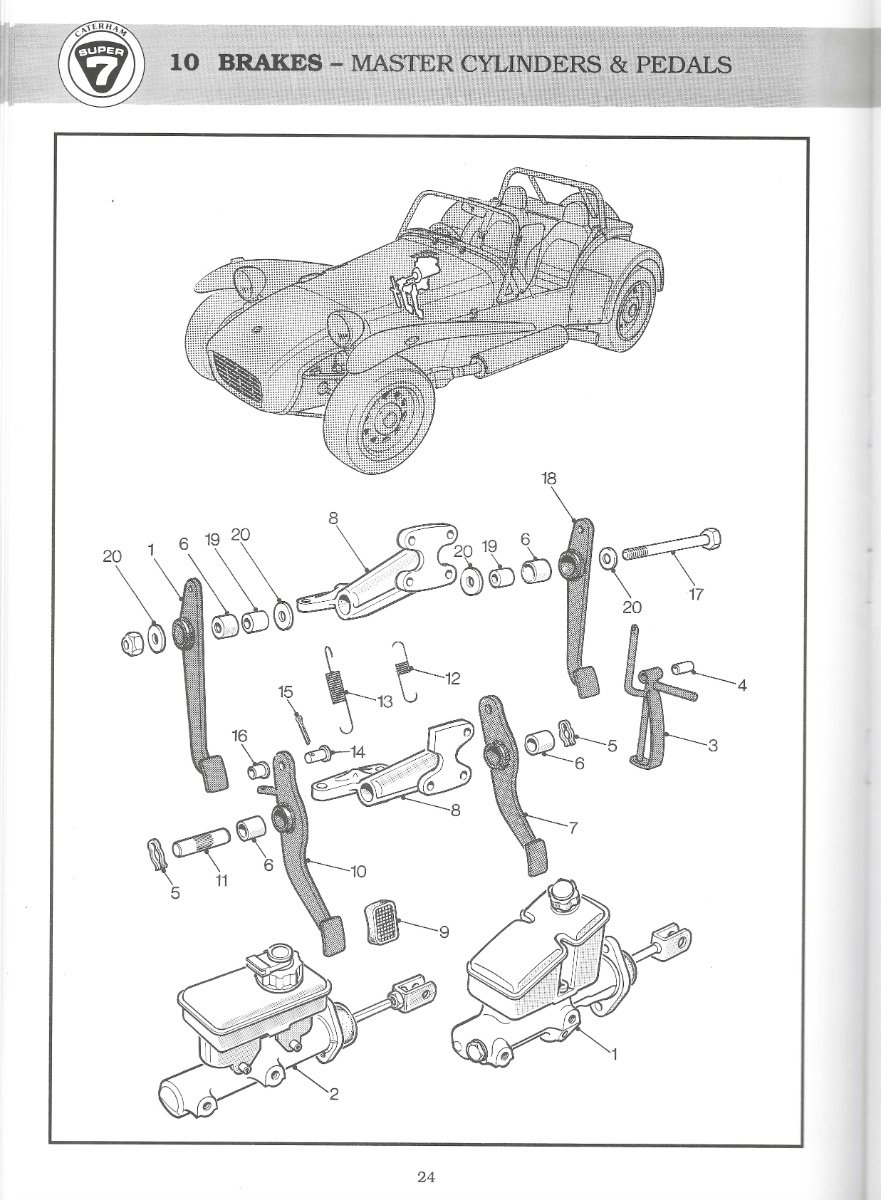
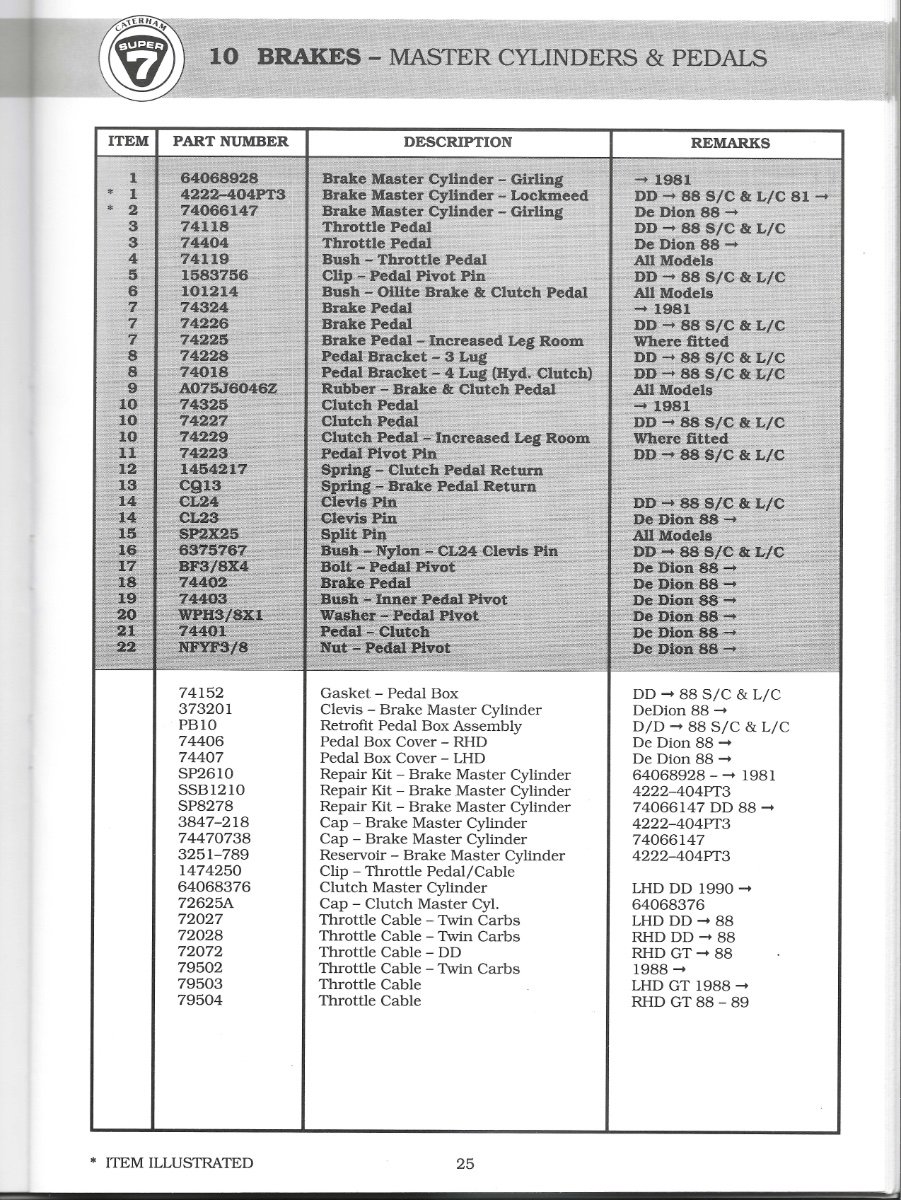
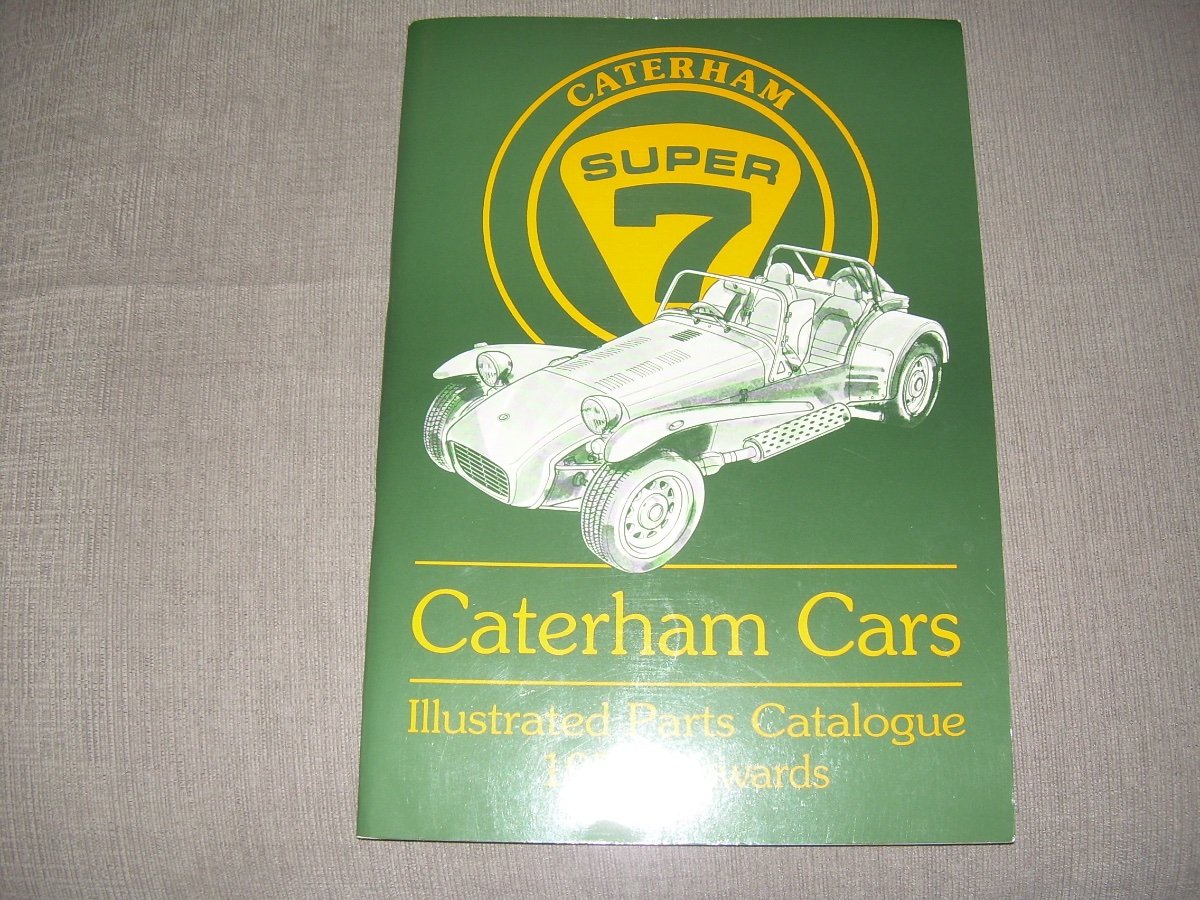
Not sure that this will help as the Caterham catalogue I have only goes up to 1991.

-
The Ford rocker assembly and the Triumph rack assembly are now sold. Thank you to those who replied. The rear radius arms and a few camshaft sprocket lock tabs are still available. W.
-
Hi All. Many thanks for the responses. Rocker arm and Triumph steering rack SOLD Rocker Assembly and Triumph Spitfire/Herald rack tube and Rack SOLD.
-
Hi. Is there anyone in the general vicinity of Calgary, Alberta, Canada who is building or repairing a Seven or Locost lookalike who requires some 18 gauge 3/4 inch, 5/8 inch and 1/2 inch round and 3/4 inch square mild steel tubing pieces for extra triangulation on their chassis? Some pieces are already mitred for triangulation and were made to fit an original Lotus chassis (dimensions same as those shown in various web diagrams of the Seven chassis). I also have 2 steering rack strengthening plates used to bridge the original Lotus Seven rack brackets, one with a cutout for the bottom radiator tube (originally from Arch, U.K.) I have already donated some longer mild steel tubing to a local high school welding shop as these are hard (expensive) to ship anywhere. (In exchange, the shop teacher will complete some Tig welding for me - win, win!). I have some small spacer tubes that Lotus/Arch/Caterham weld in the square tubes of the chassis for engine support brackets, wishbone attachment, and various other suspension locations (originally from Arch or Xtra Special Sevens). A piece of 16 gauge 1-1/2 inches by 3/4 inches by 3 feet long will make a good rear chassis seat belt anchor (welded between the upper rear damper towers behind the seat back), or as Arch did on a racing chassis - for the bottom dashboard support tube across the chassis. These are free for anyone who is able to collect them. She who must be obeyed - and especially me - are clearing out aIl of the bits and pieces I/we no longer need, so hard-to-find parts will be sold, others will go into recycling, or to the scrap yard. I note that the Locost USA site seems to have disappeared from the web maybe permanently, so anyone who was on this forum in my area may have transferred to USA7s hopefully? Cheers W.
-
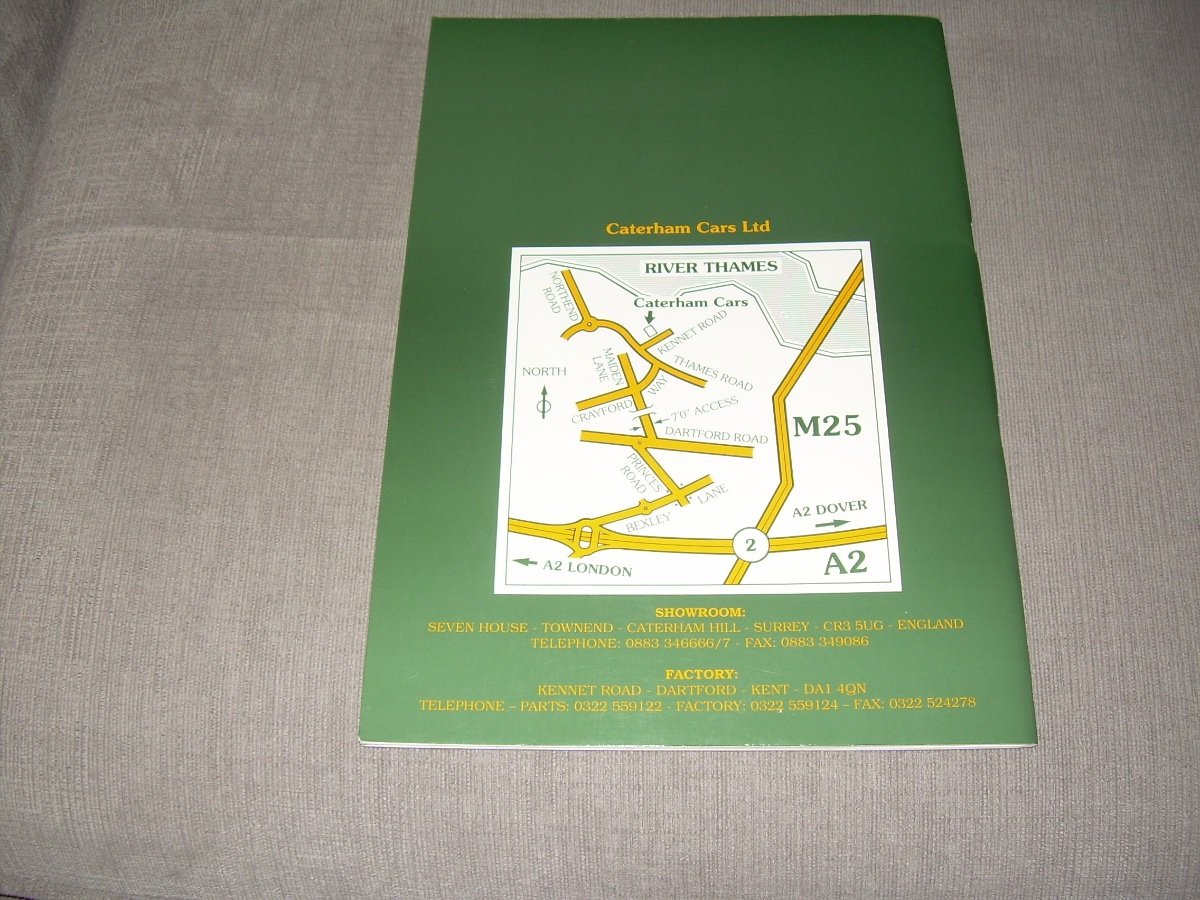
Hi Pethier. I went across the pond to visit family in the mid 1990s and my brother-in-law and I took a trip from S.W. England to Caterham in Crayford, close to Dartford. I needed some parts, and my brother-in-law had business in the area. Graham Nearn gave us a great tour of the factory (which was so very different from the cramped quarters in Caterham, Surrey), and the staff were very friendly and helpful locating the parts I needed. The parts manager gave me the parts book and some other brochures detailing the new cars. My family and I used to live in Bexleyheath, about a 20 minute drive away from Caterham’s new digs, but it took me a few minutes to get my bearings and it was hard to recognize the Crayford area from when I lived nearby in the 1960s. The parts book does not have a publication date inside, but there is mention of the upcoming 1992 racing season for the 2 racing categories for Caterham cars. The parts book is in good nick and hardly used as many of the parts pictured inside do not apply to my Lotus Seven unfortunately. Just an fyi. When the original Redline took over the parts distribution for the Lotus Seven and early versions of the Caterham models, Mick at Redline did not use the original part numbers to identify the various parts. He just needed a good explanation and possibly a photo to identify what you required. Previously, Alex Davids at Caterham knew all the parts and part numbers off by heart. John Donohoe of Simple Sevens sold me a front licence plate bracket originally from Caterham, that was painted in the graphite colour and still had the paper tag with the Lotus part number on it. This parts book uses Caterham’s part numbers for the newer cars, and some of the original Lotus parts identification numbers along with line drawings. Cheers. Will
-
Curious Oil Gauge Reading & Valve Stem Oil seal question
EdWills replied to Tony's topic in General Tech
Should read: This type may not provide a sufficient amount of oil for bronze valve guides. EW -
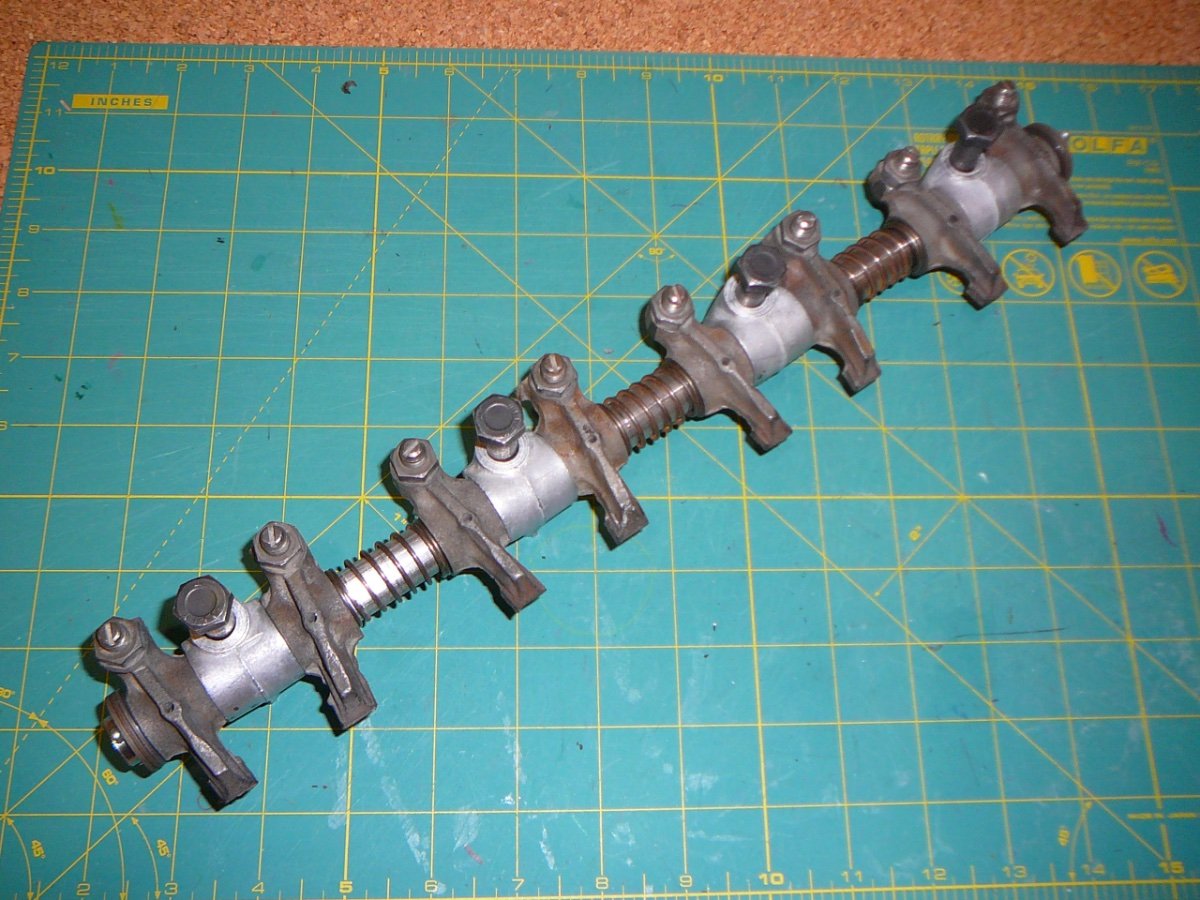
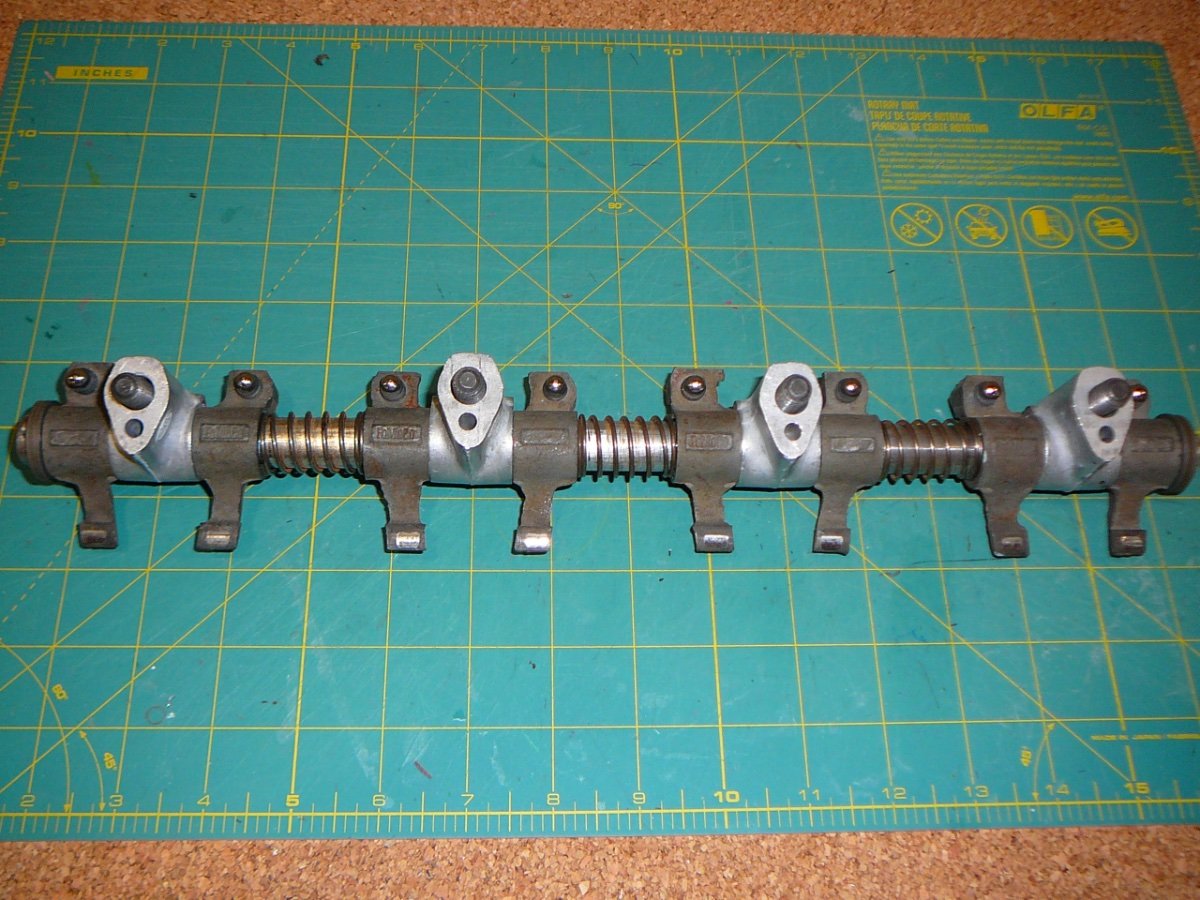
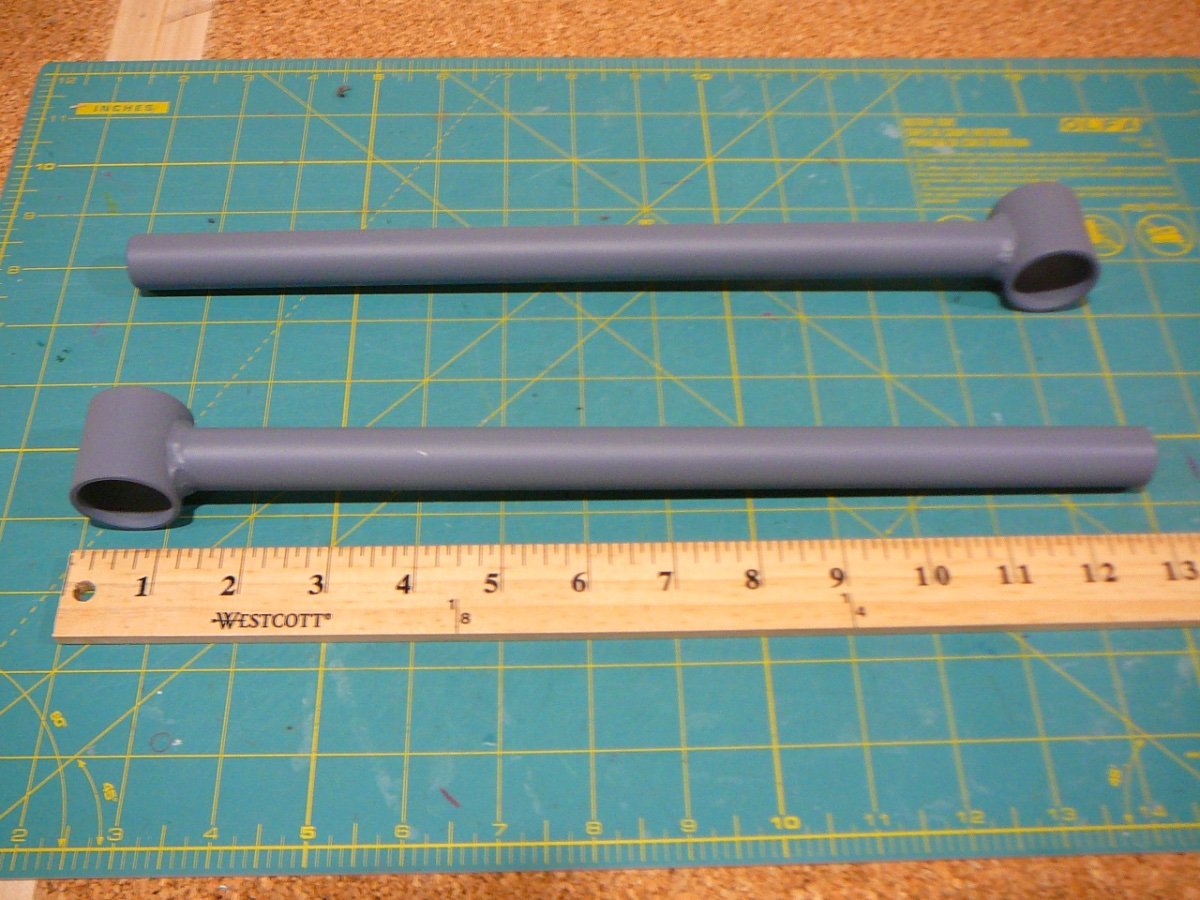
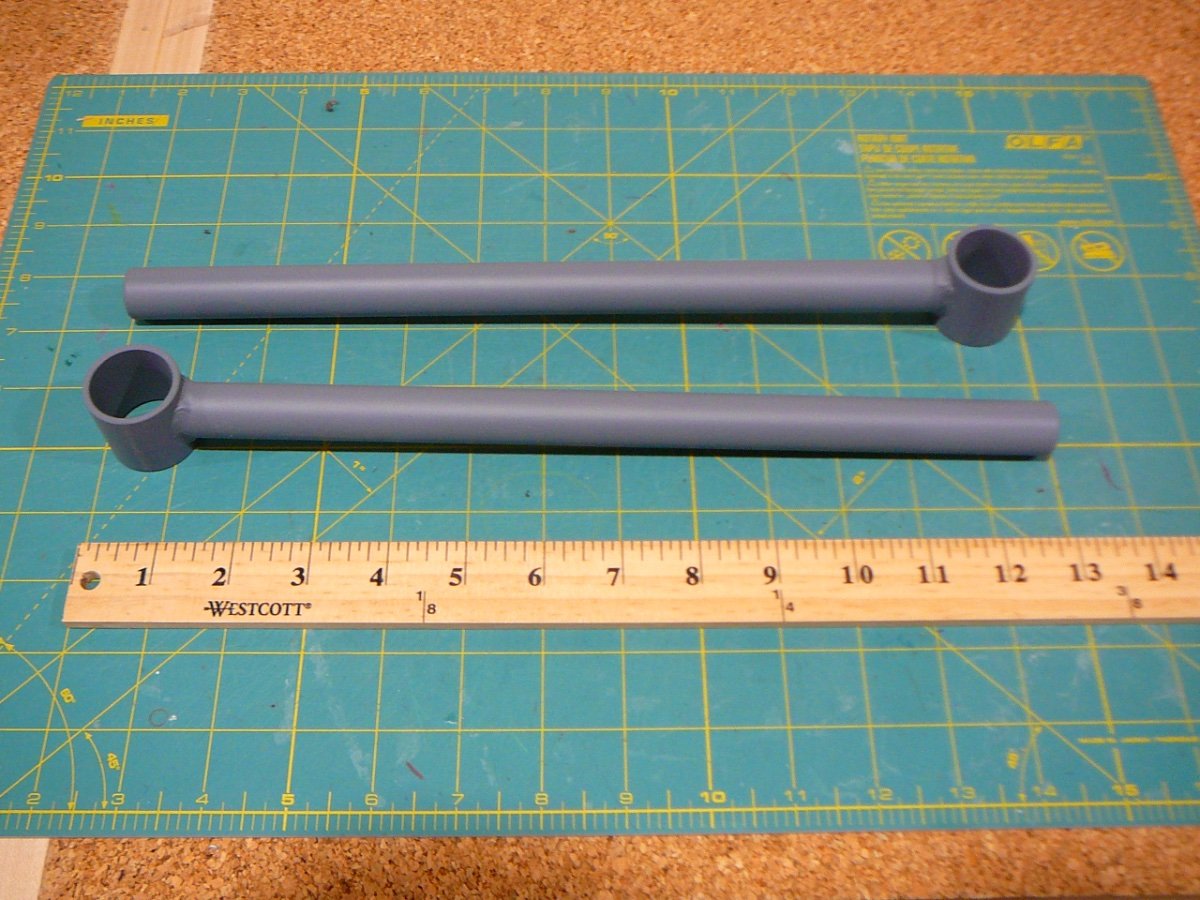
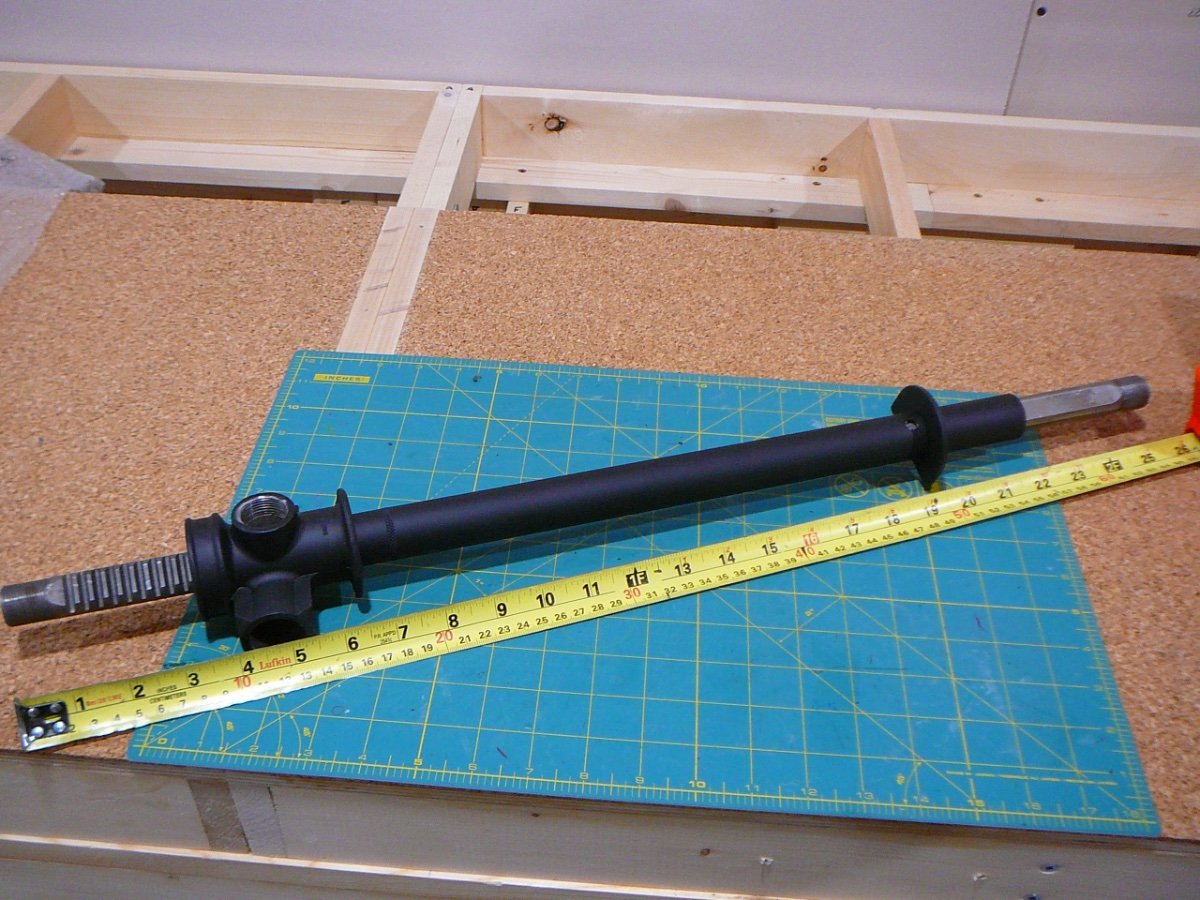
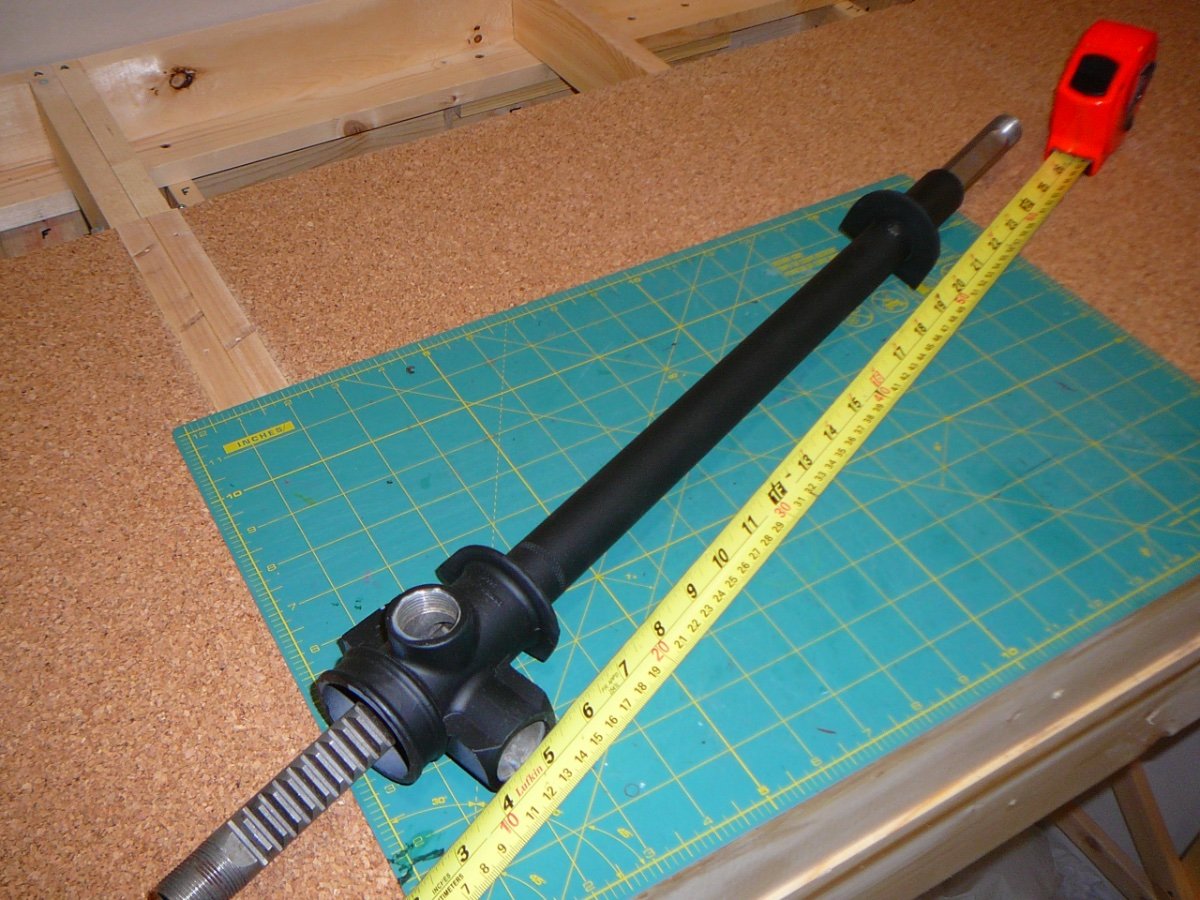
For sale: A good condition complete Ford rocker assembly for engines from Ford Anglia up to pre-uprated Crossflow 2737E. There is no discernible wear on the rocker arms on the shaft providing a snug fit on the shaft. The contact pads on the rocker arms show minimal wear and although I no longer have the original speedo from my car to prove it, The engine died at 12,370 miles, and the engine was taken apart with parts sold on. I recently found this assembly in the bottom of one of my spare parts boxes. It has the adjusters with the locking nut on the adjuster as used on the early Kent series of engines. The slotted heads on the adjusting screws are in very good condition and the heads are not damaged as sometimes found when the wrong screwdriver has been used on them. Asking $140.00 Canadian (exchange rate says approximately 1/3rd less in U.S. Dollars) plus postage. Due to a clear-out at my local Ford dealer a couple of years ago, a pal who worked there found some original new boxed spare parts for the Kent Series of engines which I purchased. These are camshaft sprocket lock tabs, and camshaft thrust plate lock tabs. Engine tuners suggest that these should be replaced every time the engine has to have the old ones removed. Pegasus shows these out of stock, but lists them at $12.99 U.S. and $8.49 U.S. Asking $13.50 Canadian for the sprocket lock tab and $9.50 Canadian for the camshaft thrust plate lock tab or $20.00 Canadian for one of each type. Postage extra. A pair of adjustable rear radius arms with threaded end to take a ball joint, and a larger sleeve to take a bigger 'Metalastic' bush. These were manufactured by a local Calgary company that was trying to break in to the Seven lookalike market, but eventually closed up shop. They are manufactured from 4130 steel, tig welded and painted with primer. A pair of Metalastic bushes will be supplied to fit, but rod ends are not supplied. $100.00 Canadian the pair plus postage. A Spitfire/Herald rack tube and geared rack for a left hand drive Lotus Seven or Seven lookalike. The bearing at the end of the rack tube is brand new, and the geared rack is straight with no damage. $40.00 Canadian plus postage.
-
Curious Oil Gauge Reading & Valve Stem Oil seal question
EdWills replied to Tony's topic in General Tech
Just a P.S. You may not have to remove the head to install seals if you have access to a compressor and an adapter to fit the spark plug hole. Using air pressure to hold the valves in place in each cylinder, after removing the valve cover and unbolting the rocker arm assembly, a special valve compressor tool can be used to remove the collets, remove the springs and cap, and install stem seals of whichever type you choose. Then reverse the procedure. Some tuning shops will have the necessary equipment to do this, and it does save the time and energy (and maybe cost?) required to remove the cylinder head from the engine. Note: Mark the spark plug wires so that they go back in the correct order (if not already identified). EW -
Curious Oil Gauge Reading & Valve Stem Oil seal question
EdWills replied to Tony's topic in General Tech
Hi Tony. The head would probably only have bronze guides if Caterham or the previous owner had them installed perhaps along with unleaded (hardened) exhaust valve seats. Also, some tuners do not use valve seals when they install double valve springs as there is no room for the original Ford produced 'umbrella' type inside the smaller inner spring. They sometimes use the very slim type with the retaining spring on the cast-in guides, but if there is no groove allowed for them in the top of the guide, these can come loose and will move up and down with the valve. The Kent VS7 is a double spring assembly for road/rally use recommended by Kent with the 224, 234, 244 or A3 camshaft , and is considered extra strong as compared to the original single Ford valve spring. A check on the Kent Cams site will show the poundage as 53 Newton/millimetres or 302.5 pounds/inch pressure when fully compressed by the cam lift. It has a 34 mm installed height (1-5/16 inches approximately.) Note: V57 ( Vee fifty-seven) does not show on the site. Burton FP704A is not shown on their site when I just checked, but FP705A (rubber seal) is suitable for duplex valve springs and has the spring around the top to fit a groove in the top of the pressed-in guide. 705A is for guides FP380 (cast iron guides that require machining of the head to fit) or FP381 (Bronze guides same requirements as FP380). Both guides show the machined groove in the top to allow the use of seals with the spring around the neck. Another valve stem seal is shown as FP720, a race valve stem oil seal and is described as 'metal cased'. A very good explanation of valve stem seals can be found at: http://www.felpro.com/technical/tecblogs/valve-stem-seals.html. Hope this helps. EW -
Curious Oil Gauge Reading & Valve Stem Oil seal question
EdWills replied to Tony's topic in General Tech
Not sure if this applies in your case, but Burton Performance in the U.K. advised me that if bronze valve guides are installed, oil seals should not be fitted to the valves. When the guides are part of the original head i.e. same cast iron material drilled for clearance in the Ford factory, the seals should be fitted. The original Ford seals are not a clip fit on to the top of the guide and so move up and down with the valve allowing sufficient oil in to the guide to provide lubrication. The Ford seals that I have from my original engine have a very small semicircle missing at the bottom of the seal to presumably allow just a small amount of oil in to the guide. You can get seals that have small springs around their bases and these clip on to guides with a groove in them, but the springs have been known to break and end up inside the engine. This type is not supposed to be used with bronze guides as none or little oil will pass through them. EW -
Hi MV8. Piper in the U.K. were originally a camshaft and engine tuning firm finally based in Kent, England. They produced motorbike frames and tuning parts for many of the British manufactured engines. They went on to produce copies of GT racing cars and the like. They still have a website showing some of their cars, but the one you photographed is not shown on their web site. Also, not certain that this is the manufacturer of the car you have photographed, but the popular U.K. Ford engine may be a clue? Their site is at http://www.piperracingcars.co.uk. Wikipedia also provides a short history of Piper as a car builder. The car you show could also be a one-off, but it looks to have been nicely constructed. Cheers EW.
- 1 reply
-
- 1
-

-
The flash covered the date of this booklet as 1973 onwards. EW.
-
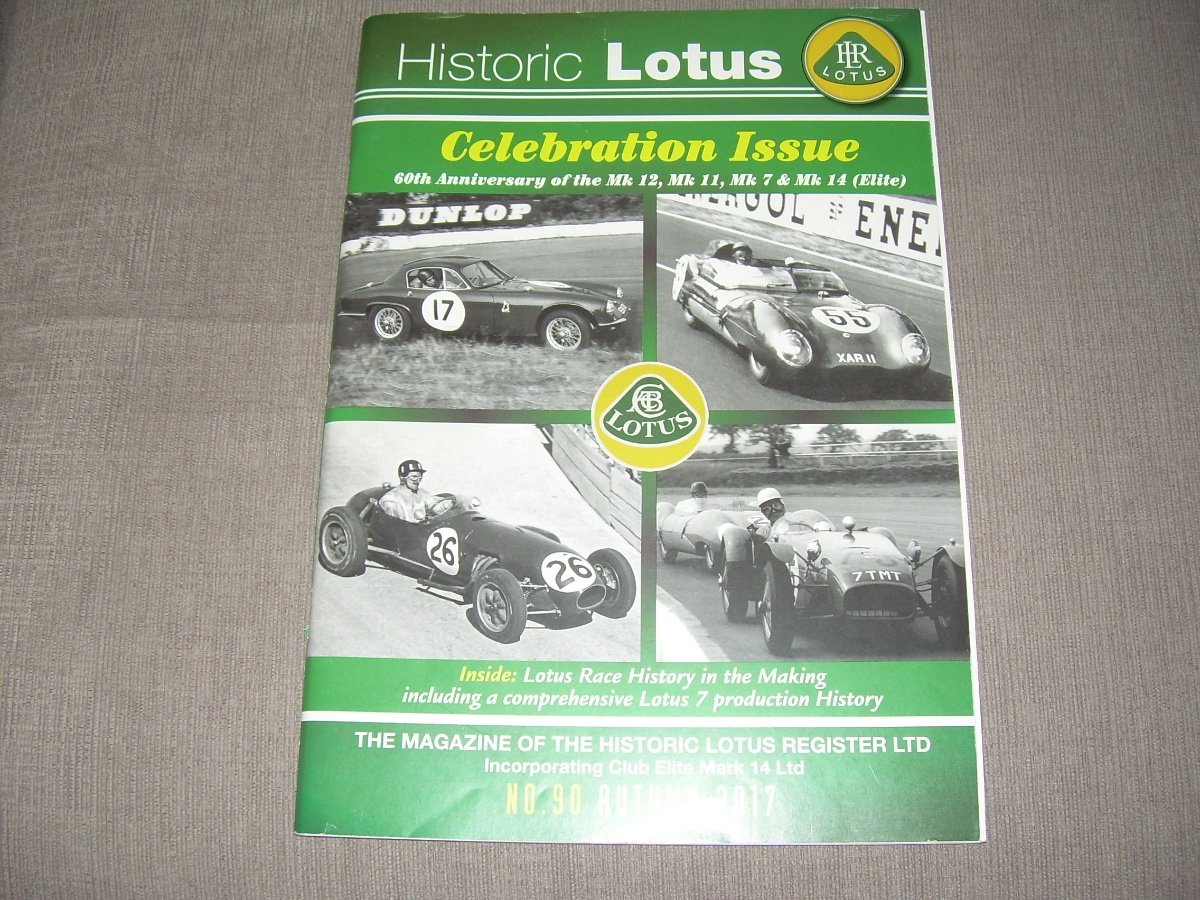
This magazine contained many stories regarding the Lotus Seven race cars and other photos of Sevens. It is still available from the club, and you don't (or at least didn't) have to join to get it. Most of the articles on the Seven are by John Watson of the Lotus Seven Register. It's a good mag. to have in your collection.
-
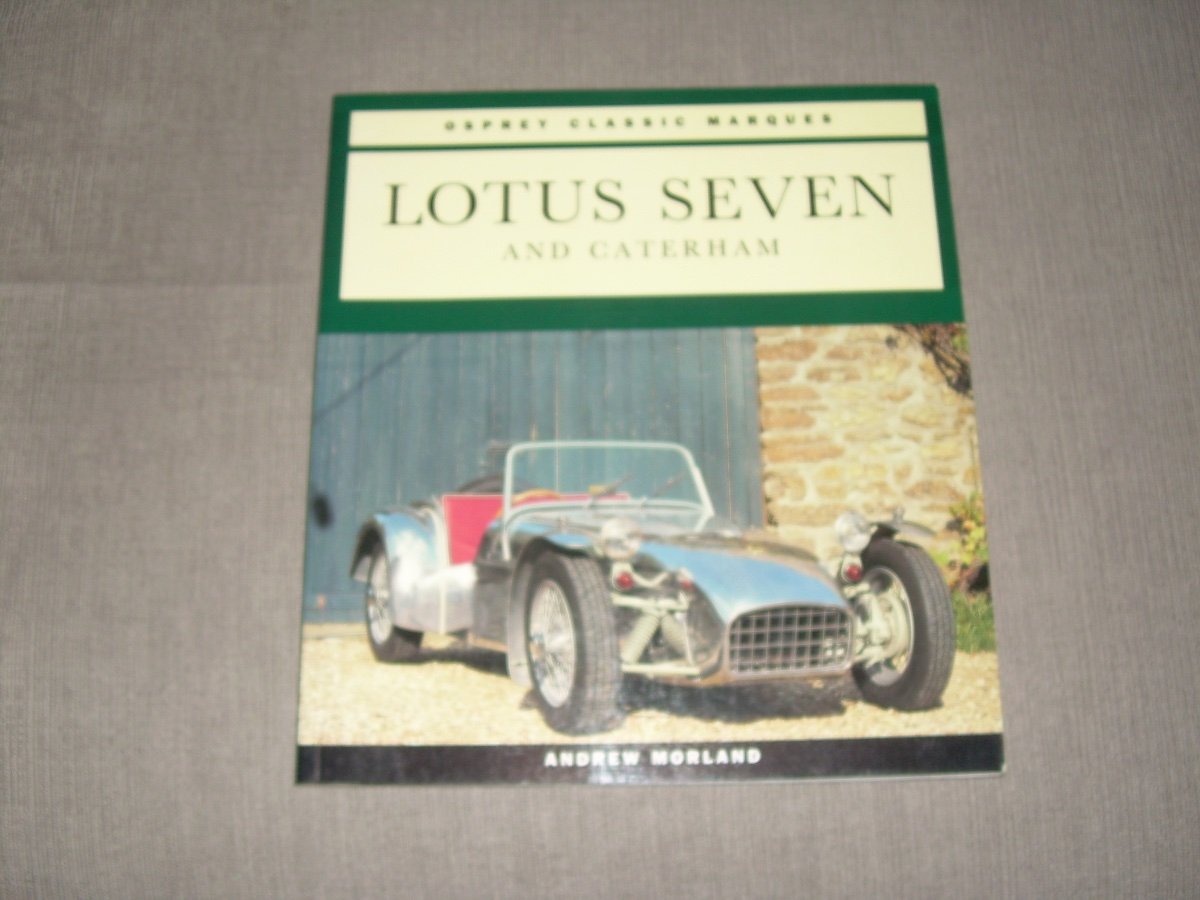
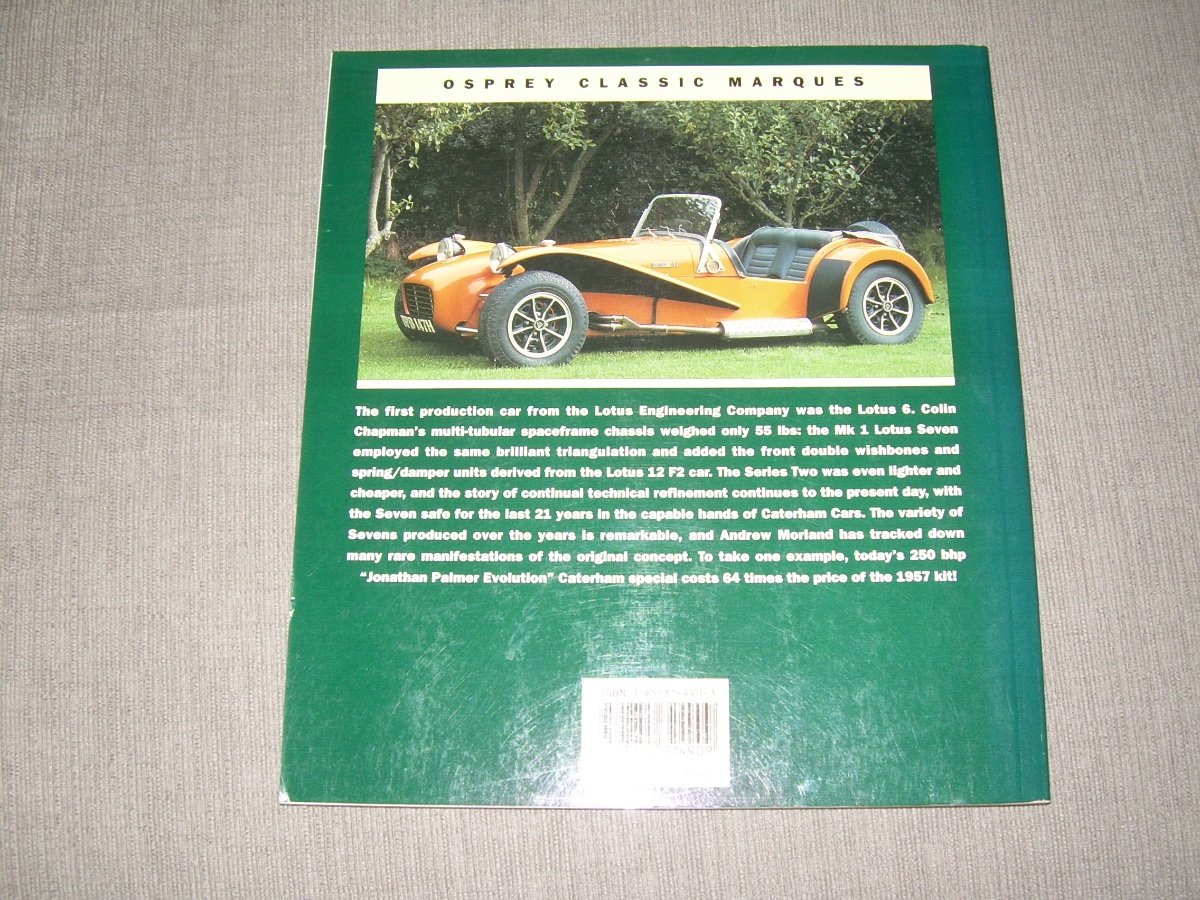
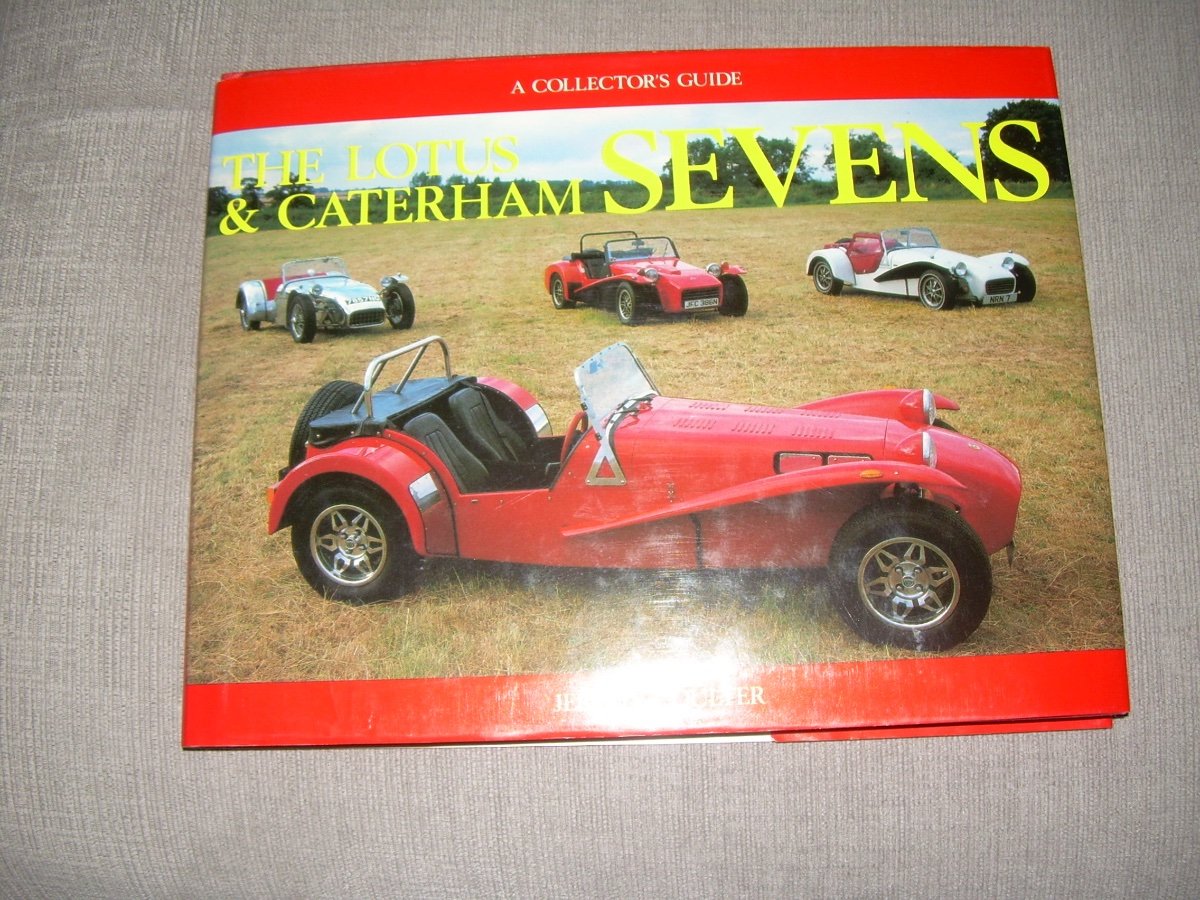
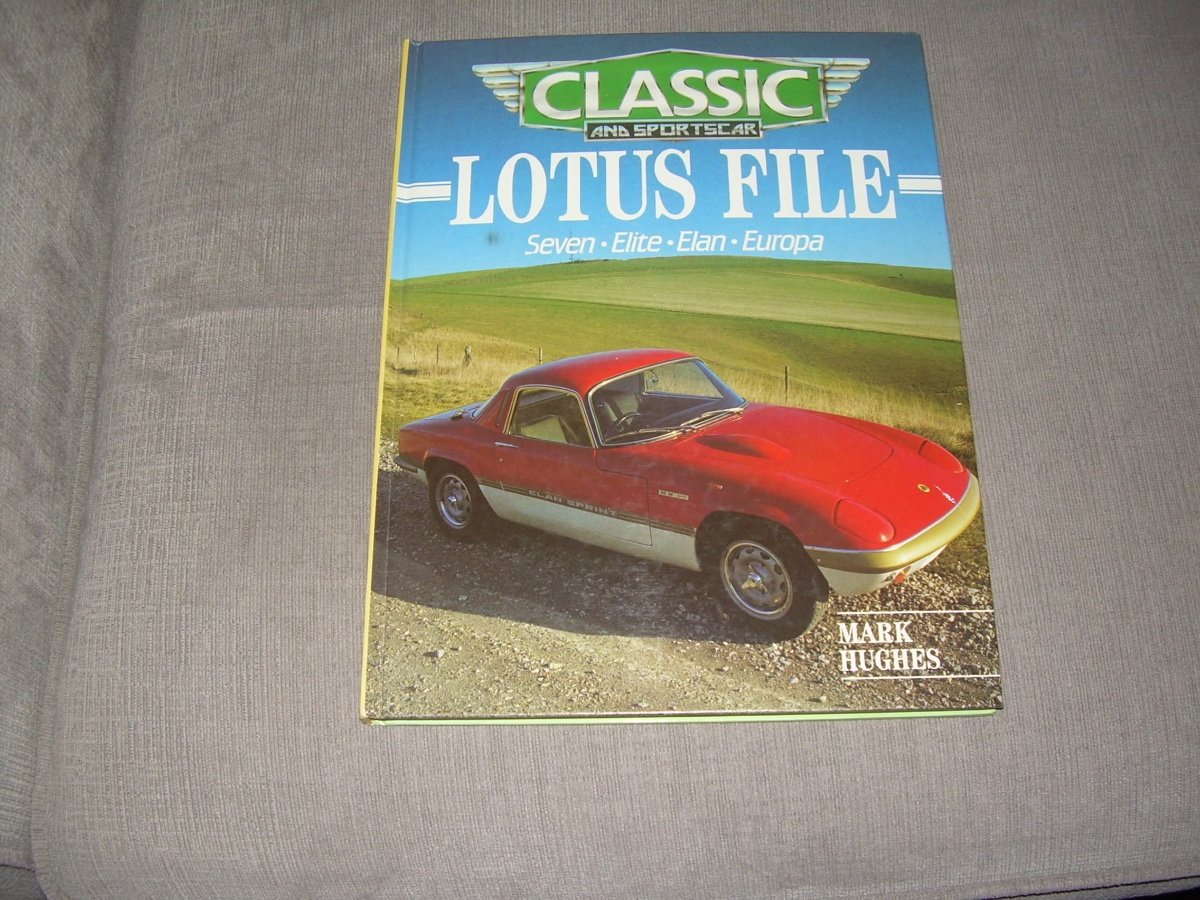
Hi Scott and contributors to this topic. I have been using the warm weather to paint some parts on my car and let them dry before the cold weather sets in. I really didn't have time to photo inside the covers and load them on to my computer, and the photos are not the best. It's just a list of books (my 'library' has some that you have shown), that I accumulated new and second hand to help me with my rebuild after I left it too long to remember all the details of my car, and wouldn't you know - way back when, I didn't take any photos of the original car when I disassembled it (bone headed or what?). I truly hope that any members on this forum in Florida make it out safely. EW.
-
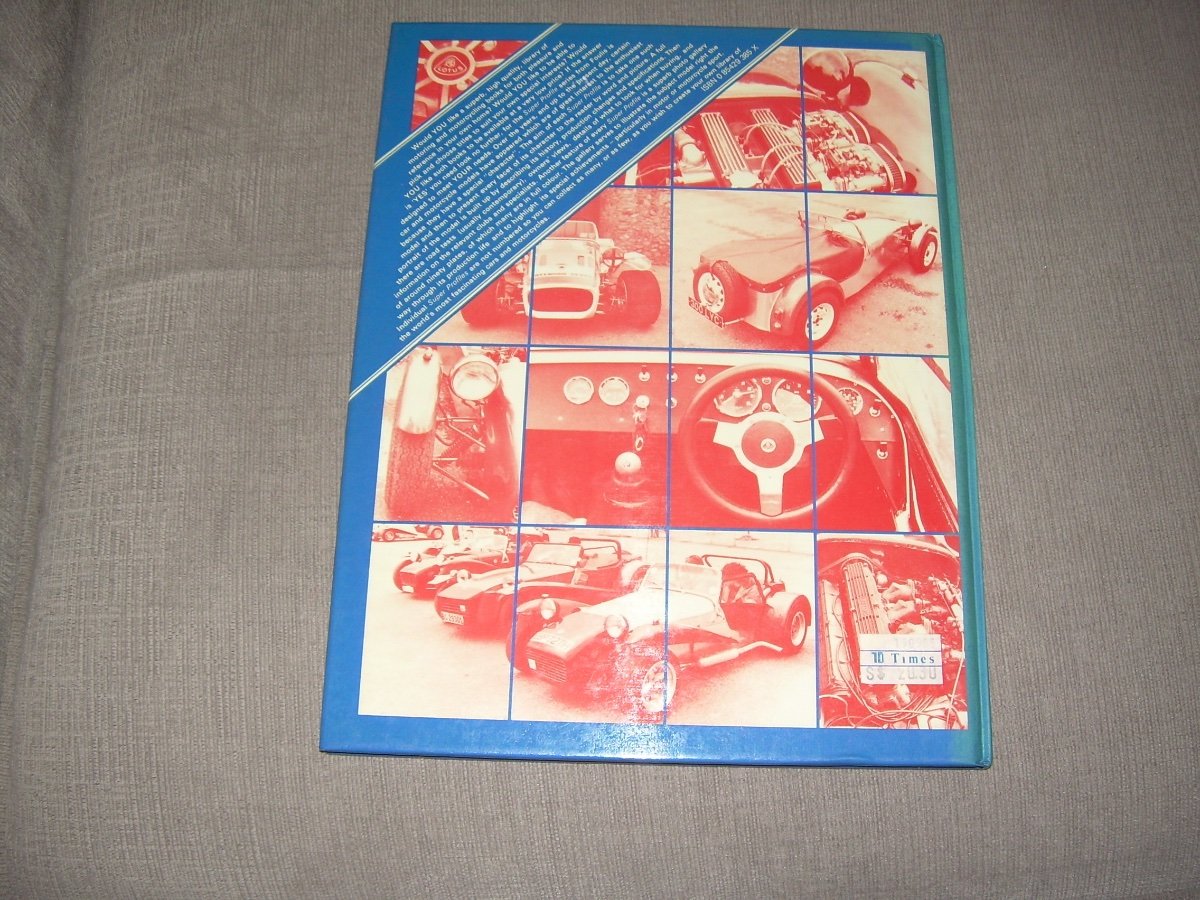
Book by Graham Arnold, Sales Director at Lotus. Many black and white photos of various Sevens, plus some colour pics. Graham Arnold includes interviews from Seven owners about their cars. A Haynes publication.
-
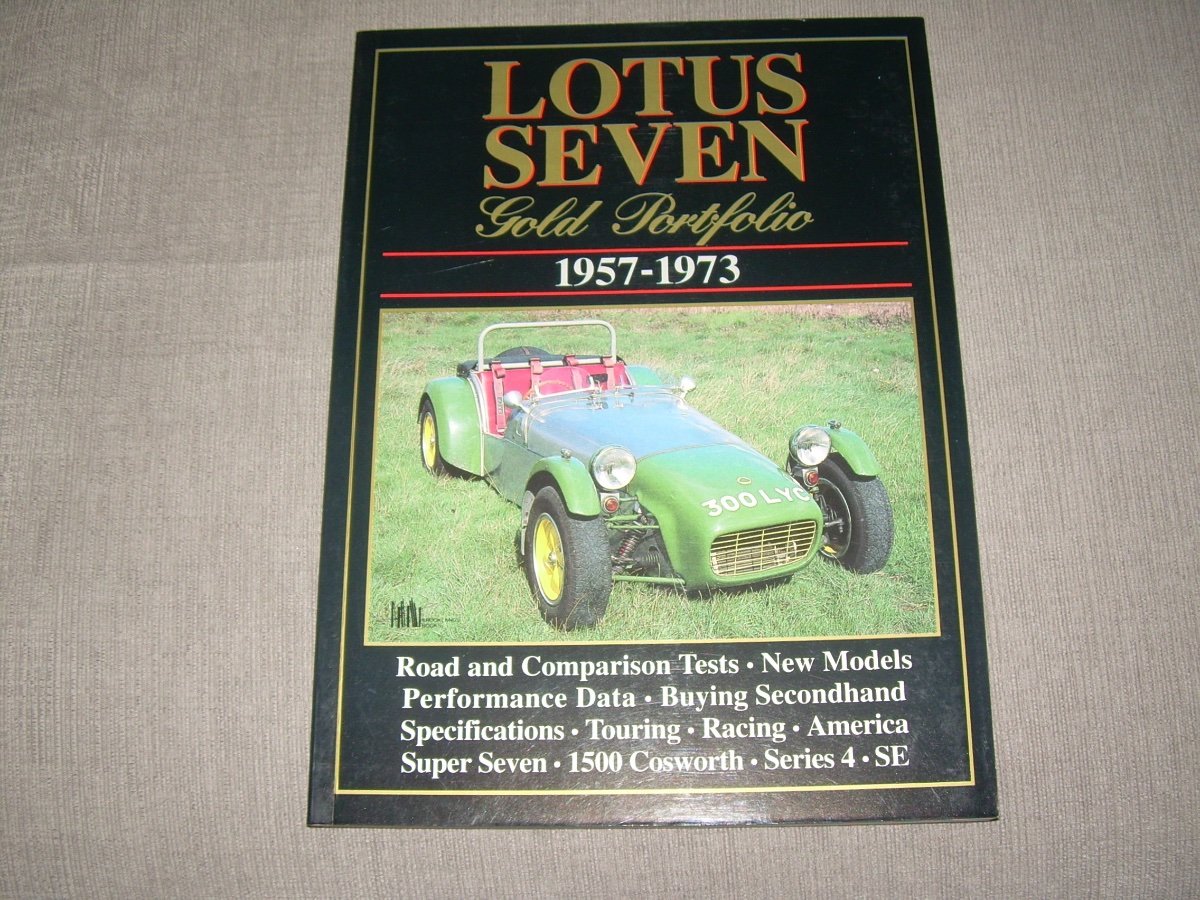
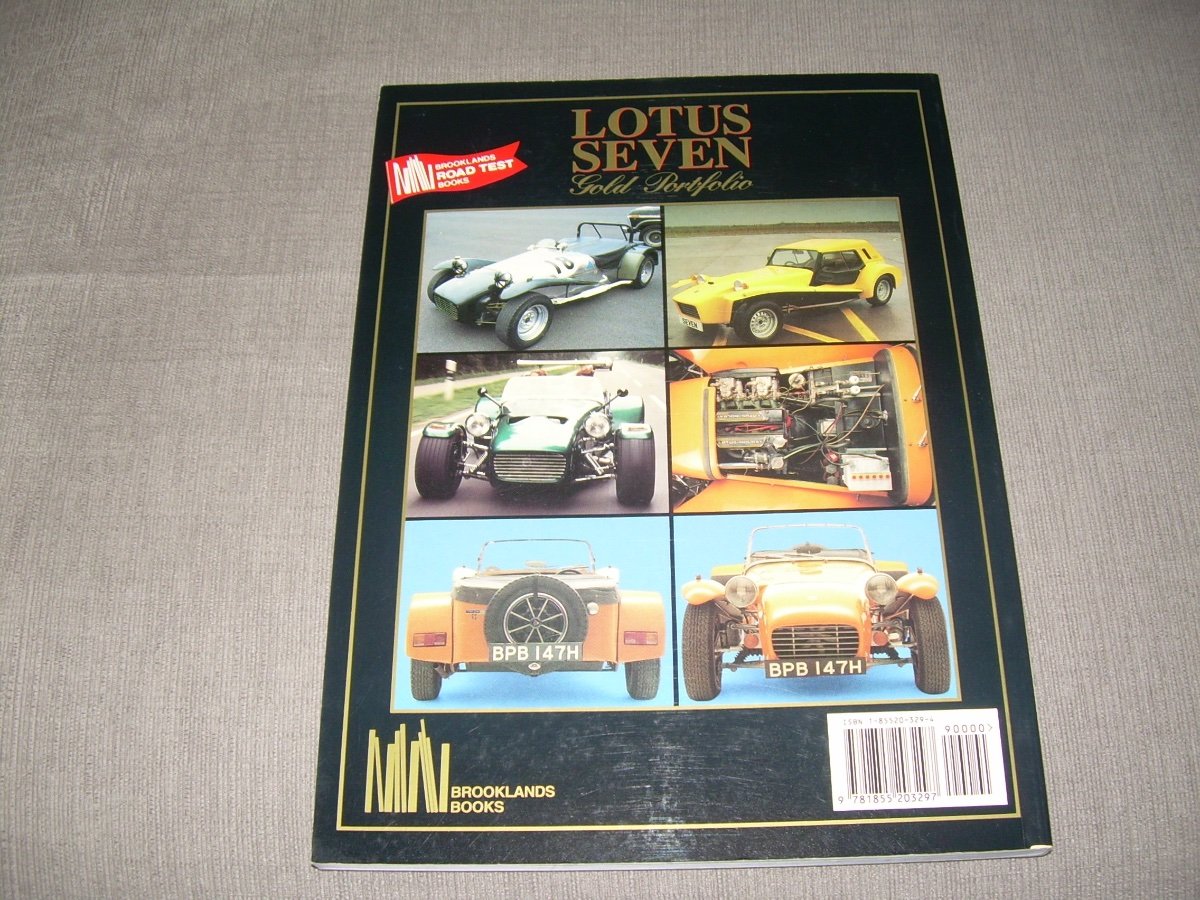
Some road tests are repeats from this same series of booklets on the Seven and the Caterham. There is a 2 part story from Cars and Car Conversions, whereby the staff at the magazine built a kit of a Series 3 in July 1969
-
A bound soft cover book containing many of the Lotus Seven road tests from various U.K. magazines, plus DSK Seven. The author also published a book on the Lotus Racing cars in the same cover colours, both being sold on the 'bay', but I have not seen these for some time. The copies are quite crude, and some of the black and white photos have not reproduced very well. A few of the road tests are not contained in the Portfolio booklets.
-
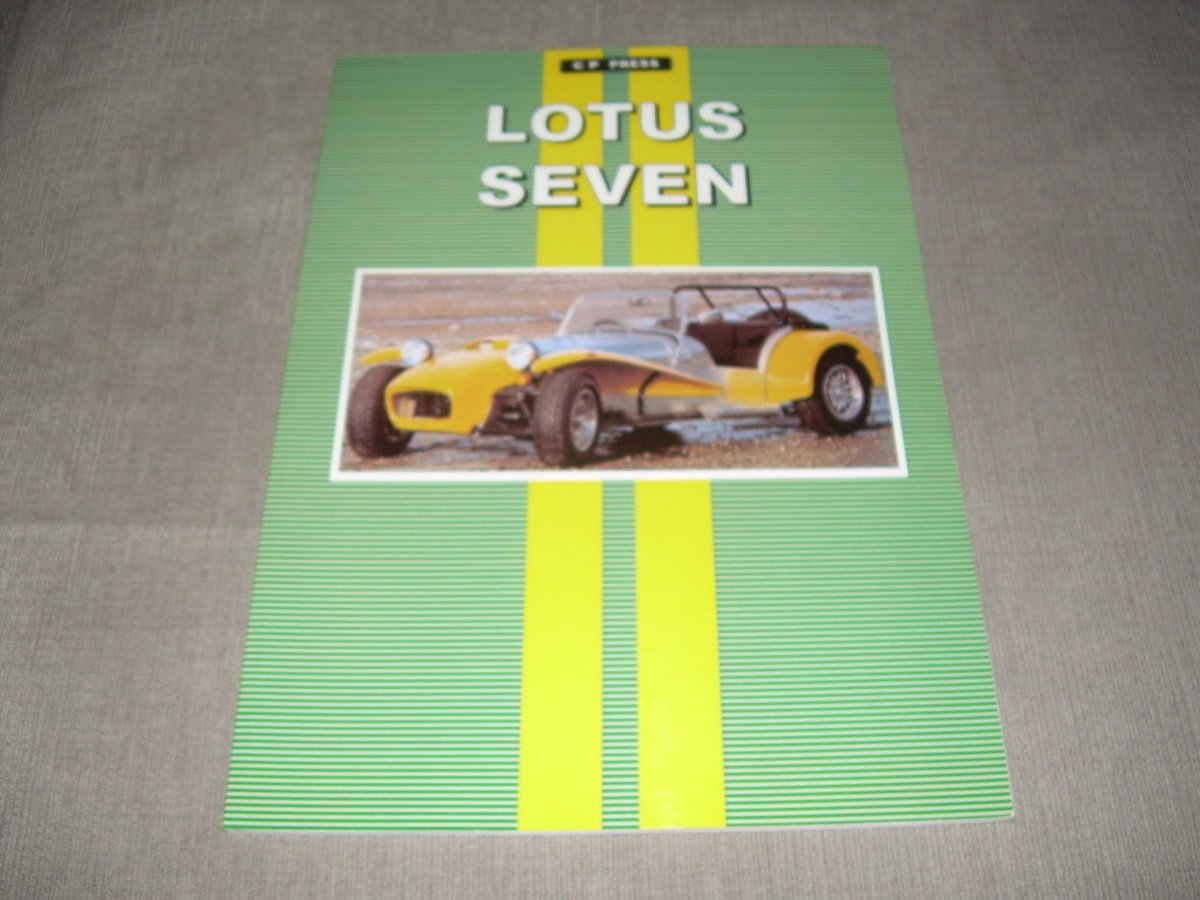
Contains photos and stories on Lotus Sevens, plus lookalikes from Donkervoort and others, including a diesel Seven copy.
-
Companion book to Lotus Seven by Jeremy Coulter with the extra information on the Caterham built cars.
-
Contains a chapter on the Lotus Seven, plus colour photos of a Seven SS Twin Cam.