
redursidae
-
Posts
71 -
Joined
-
Last visited
Recent Profile Visitors
790 profile views

.thumb.jpg.885191d302e6c3704c848a8f5ac3a612.jpg)


-
I have used both Haltech and MS and would choose Haltech, but personally prefer LinkECUs. MS used to be open source, but is not after firmware 1.4 which is over 10 years old now. Regarding function, all will function well when properly tuned. How they go about it, documentation and support is where Haltech and Link shine.
-
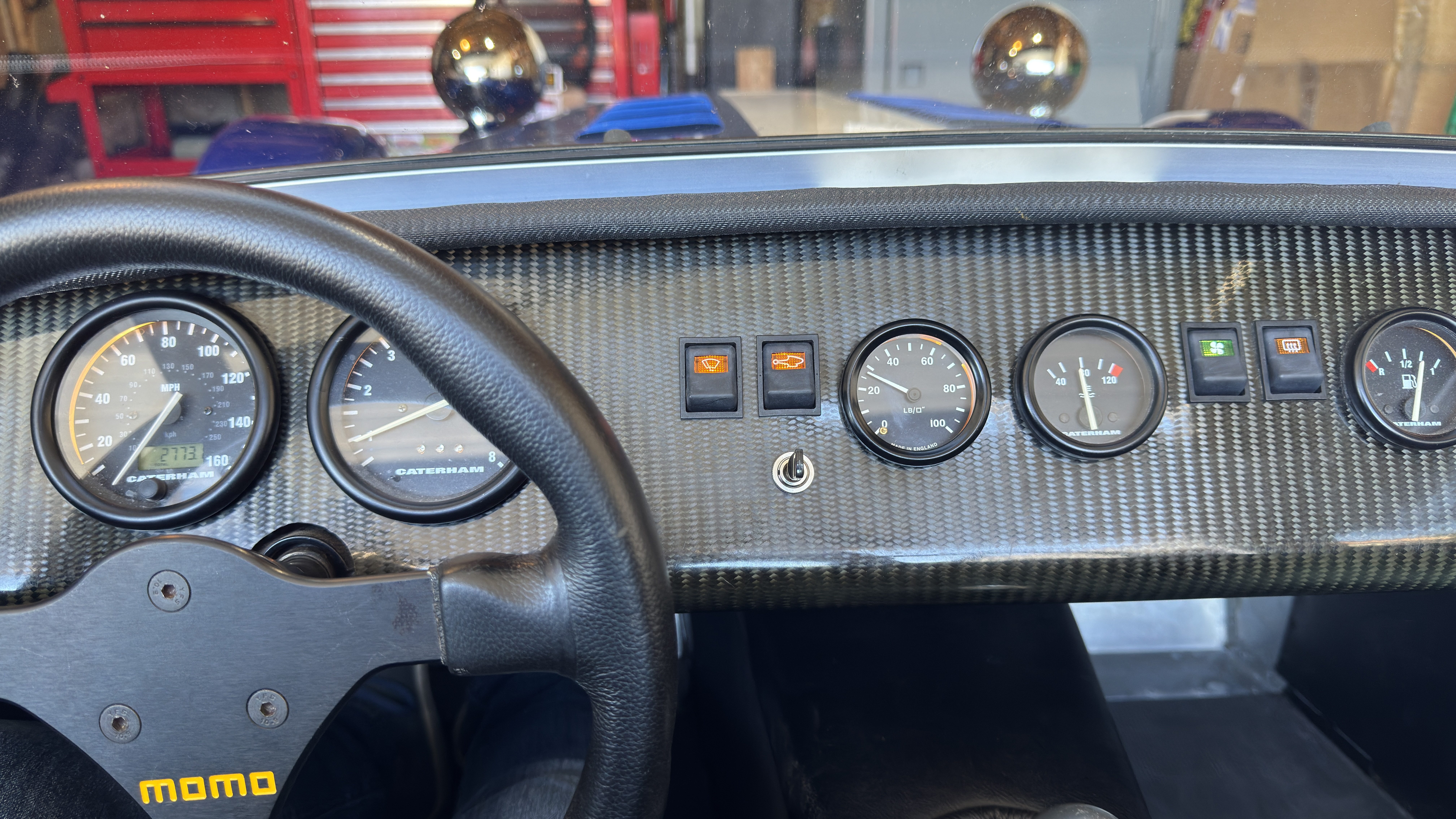
Went for a long cruise today and had a bit of fun with the Cat. Oil pressure indicated by the new gauge is perfect, and after the drive it was holding 25-30psi. No leaks either 🤞

-
Thanks for the link and explanation. That’ll work for me.
-
I have a similar issue with mine, but disconnecting the indicator bulb didn't help. I wonder if I disconnected the wrong thing somehow. Anyway, I'm curious about where you bought the resistors from if you can share the source? Looks sorta plug and play?
-
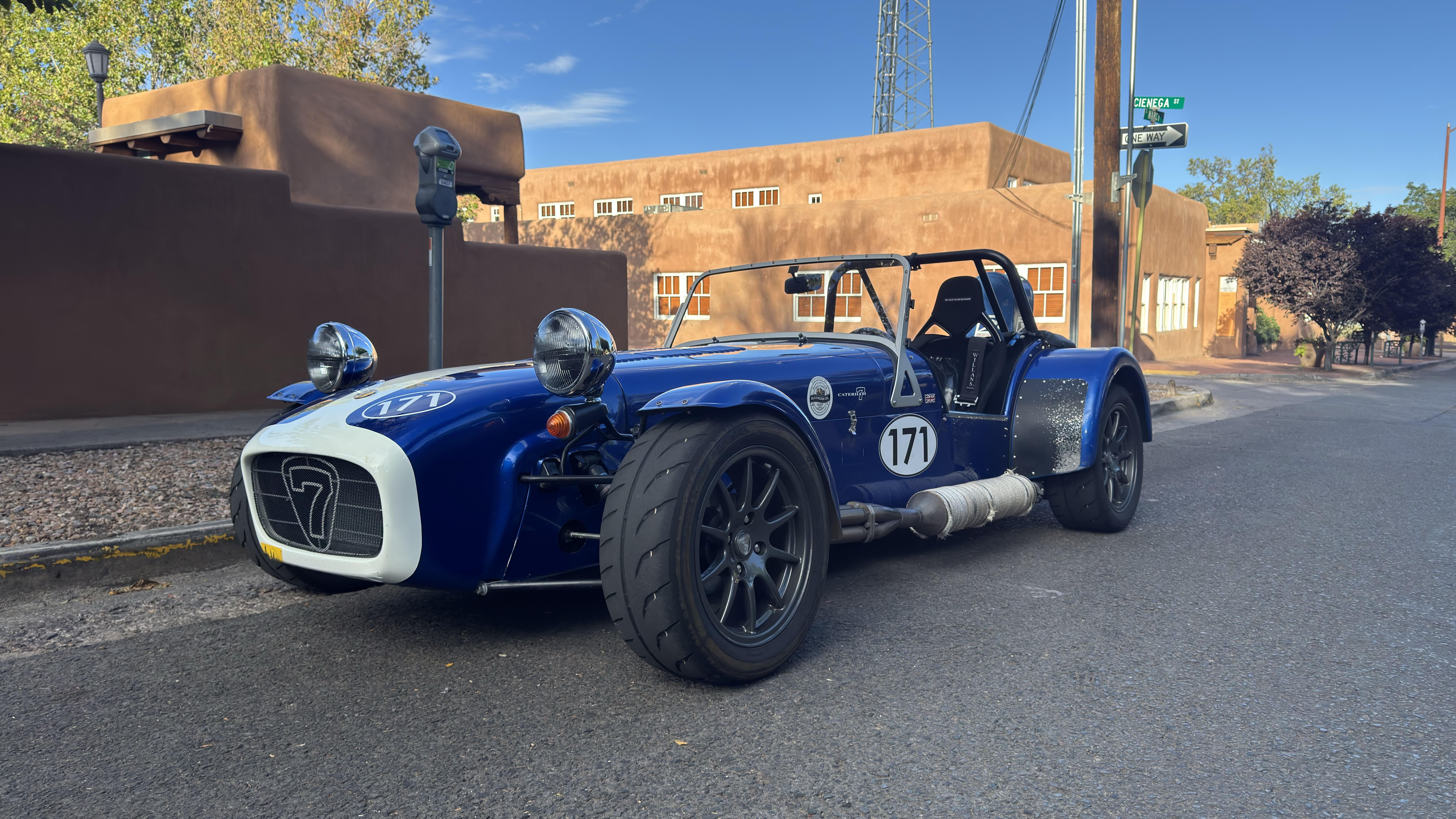
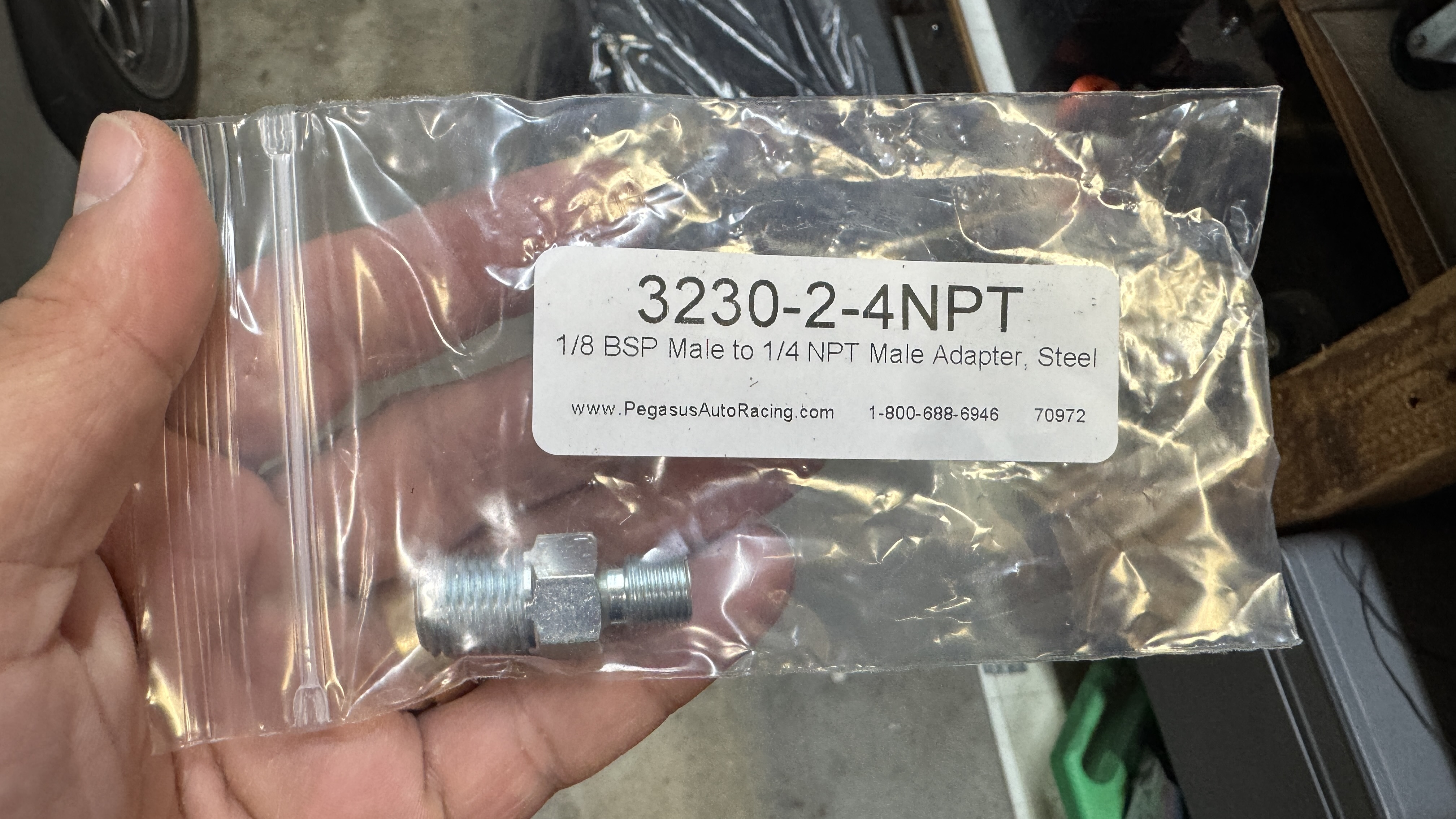
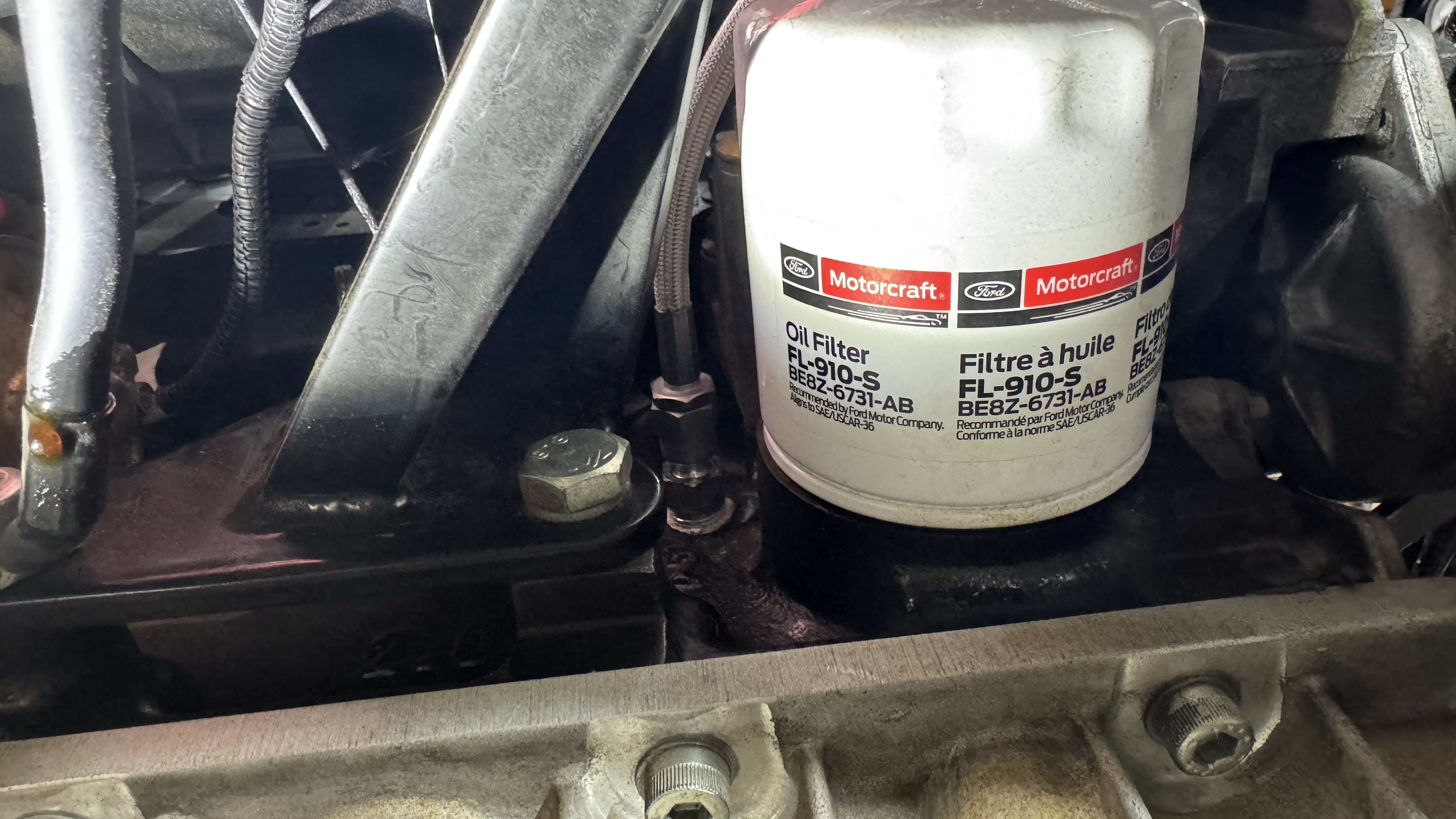
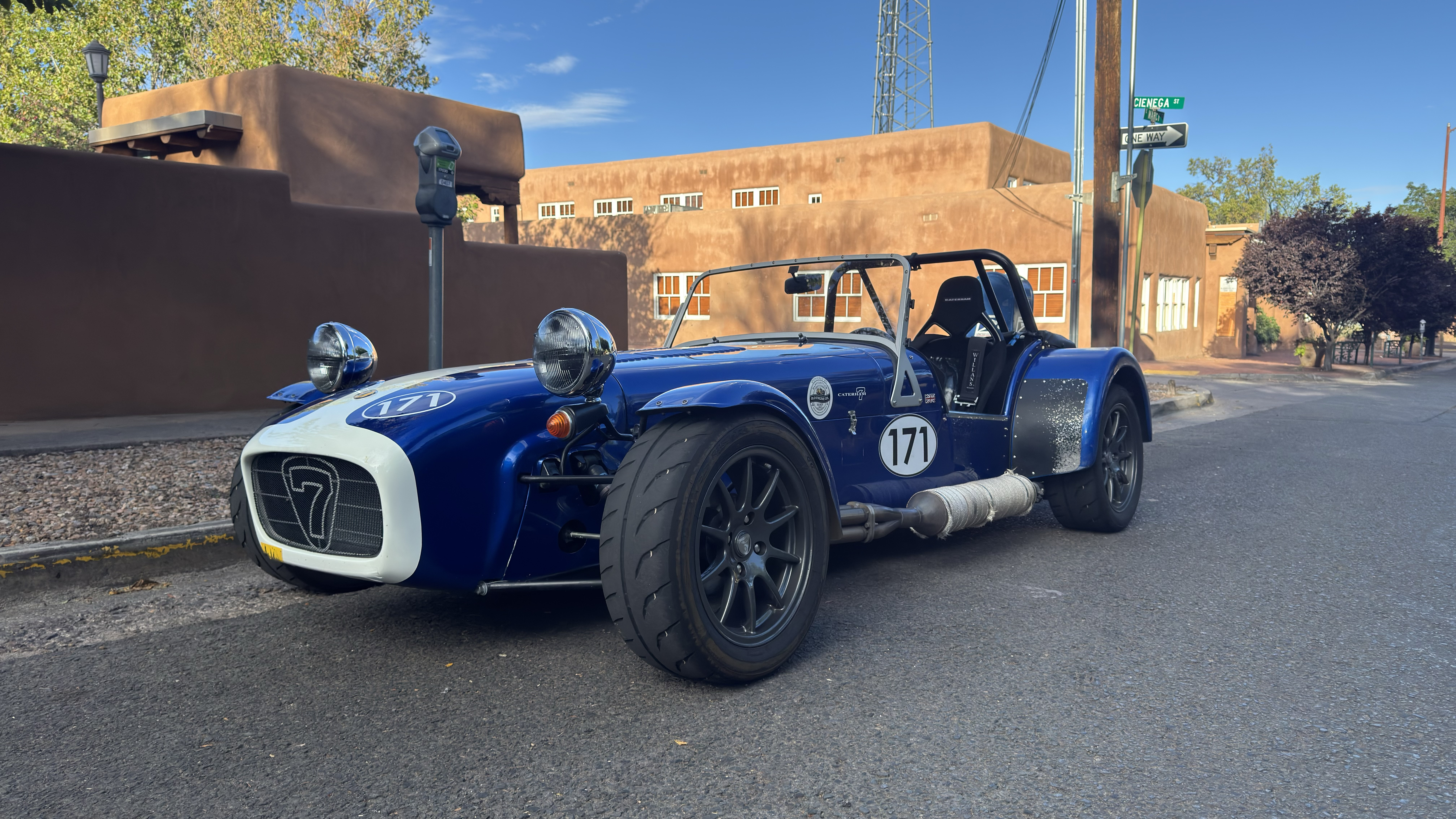
Recently I’ve been occupied breaking-in the motor in my Miata and the Caterham has sat a bit. I took this picture outside of one of our favorite coffee shops in Santa Fe, on our way to cars and coffee last month. It was a nice day so we did no doors and no roof (my friend drove his 485S). Then last weekend I started the install of the Mocal oil pressure gauge. I had read that the SVT block had 1/8 BSP ports so I ordered a 1/8 BSP male/male adapter to go with the braided line, but unfortunately that was not correct. My block uses 1/4 NPT, and was able to source this quickly from Pegasus. and it works! I only ran it for a few seconds and saw no leaks. Itching to drive it again.
-
Coffee stop before Santa Fe Cars and Coffee
-
Very good info from that video, thanks for sharing.
-
That’s good to know. A lot of people like them for Autocross around here as well. I see them in 15” and 14” on Tirerack. You say there is a 13” as well?
-
I drove a Miata with them but only on the road. The sidewalls felt stiff too. How do they feel in a Seven?
-
I’ve been watching these as well and was planning on running them late 2026 or early 2027. No reviews that I’ve seen, but worth the gamble for me. I dislike the R888Rs enough that I’ll try just about anything. Edit: I love the Nankang CRS V2 on my Miata. They’re fast, grippy and communicative. But I would fear their sidewalls are too stiff for a Caterham in the street? I don’t remember how the R888Rs felt in the Miata compared to the CRS
-
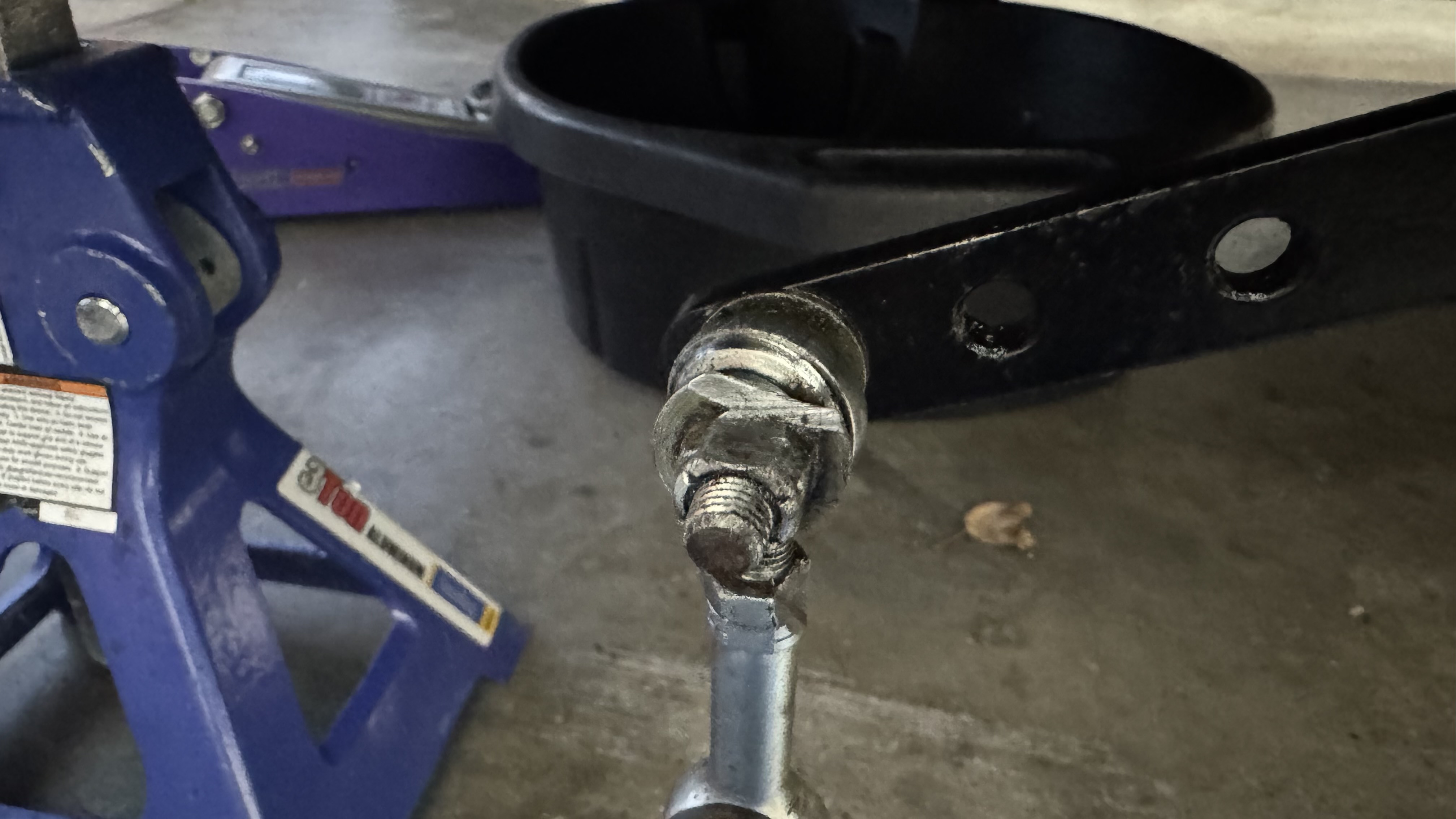
That's the closest guess so far. The driver side doesn't have this piece missing from the hardware. I'll refit the borrowed 13s sometime to check, but it sure was tight around there with those. As far as I can tell this car was built with these 15" wheels and the PO didn't mention having 13s fitted before. Haha yep too accurate. I haven't really driven it in a couple of weeks and the engine noise alone threw me off a bit at first.
-
The Regular Summary of Classified Ads of Se7ens Found For Sale
redursidae replied to Croc's topic in Cars For Sale
Gotta say the color is up my alley. Would be bitting on it if I was still in the market. -
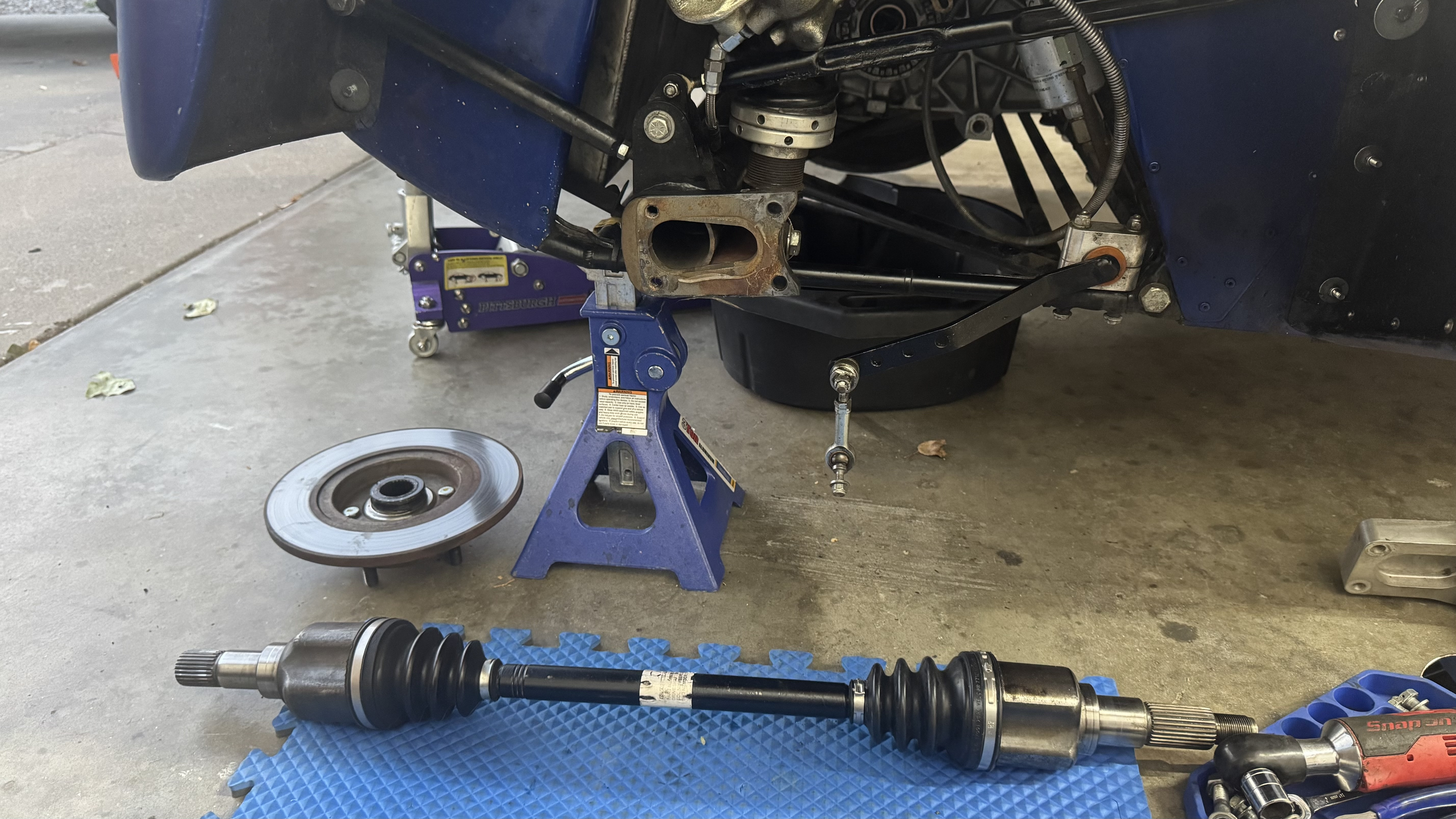
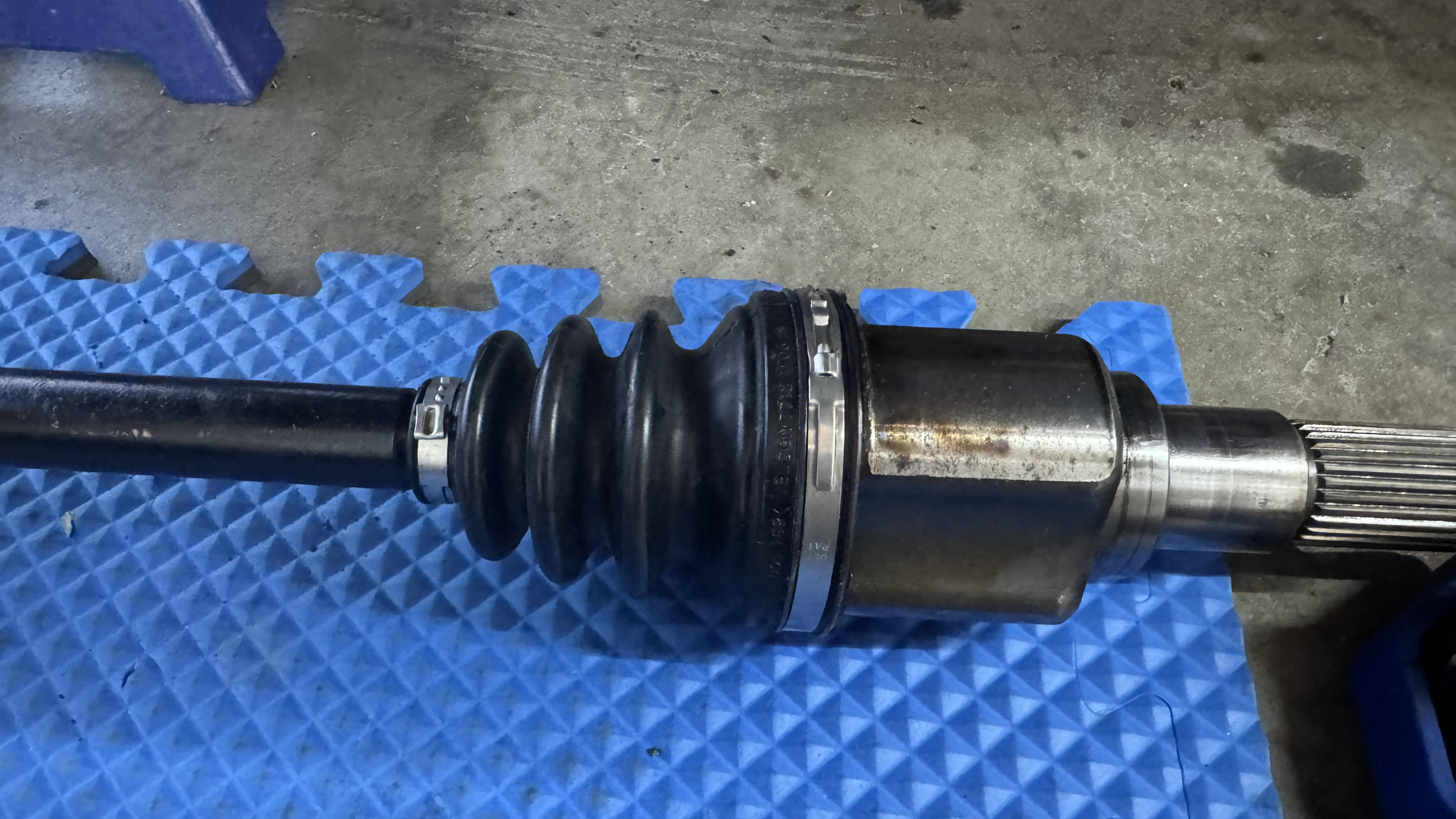
Got around to fixing the torn CV boot. I wasn’t sure how complex it may be, and was glad it was easier than expected. I failed to take pictures of the process, but generally was: Remove caliper Remove axle nut Remove brake disk Remove DeDion ear Slide ear and bearings off the axle Slide axle off differential Remove clamps on outer boot and slide the boot back Remove the cup off the CV axle to expose the tripod Remove retaining clip Use 3 jaw puller to remove tripod from the shaft Replace the boot and use new clamps Dressed and greased the splines of the shaft and tripod Reinstalled the tripod on the shaft by lightly tapping with a hammer and an impact socket that fit over the snout/shaft/splines Install new retaining clip Generous application of grease on the needle bearings and cup Reinsert the cup and install the boot over it Crimp the new clamps Chase the threads on the DeDion tube, DeDion ear, caliper, and bolts Clean old sealant on DeDion tube Apply new sealant around tube Install axle Install DeDion ear and bearings (re-greased the bearings too) Install brake disk Install caliper Install axle nut Axle nut torqued to 200 ft-lbs, and everything else to 35 ft-lbs Bonus step: Wonder why this nut and washer are missing a piece. After making sure that there isn’t anything actively contacting the nut and washer or the new boot, I put the car on the ground and went for a cruise. All went well with no new noises, only the usual ones. Next up will be the engine mounts, the oil pressure gauge (that I still haven’t ordered), and having a side exit exhaust made so I can fit 13s. But I really need to work on the Miata's motor first, and itching badly to drive the Cat in the mountains, so maybe no further work this weekend.
-
Ha. I've tried, but it only has two velcro straps to tighten it, and they're maxed. I need to have someone sew some anchors I could attach to the rollbar until I get hands on a Soft Bits for Sevens top. Thanks for the info on those gauges. I like them a lot and I bet the quality is top notch too. I'll give it some thought, but the LED illumination may be the deal breaker for me at this time, because although the brightness could be tamed it would still be brighter and different color than the stock gauges (the pro version does have switchable LEDs which is nice). I guess if I were replacing them all at once that would be fine, but I'm not in a place to do that at this time. My temperature gauge does read low, so maybe some future man math may happen .
-
@Slonie I'm curious about the digital Stack gauge setup you mentioned. Could you share a link? I don't love the idea of having oil running into the cabin either, is just that the digital solutions don't seem to match the interior well. I'm probably overthinking this whole thing... I saw that Racetech gauge and it is neat, just the green letters stick out. Mocal sells a similar product with the same font and no branding which I like, although having two oil lines into the cabin makes me feel less comfortable still.