NSXguy
-
Posts
231 -
Joined
Content Type
Profiles
Forums
Store
Articles
Gallery
Events
Library
Everything posted by NSXguy
-
Locked in ticket as well 👍
-

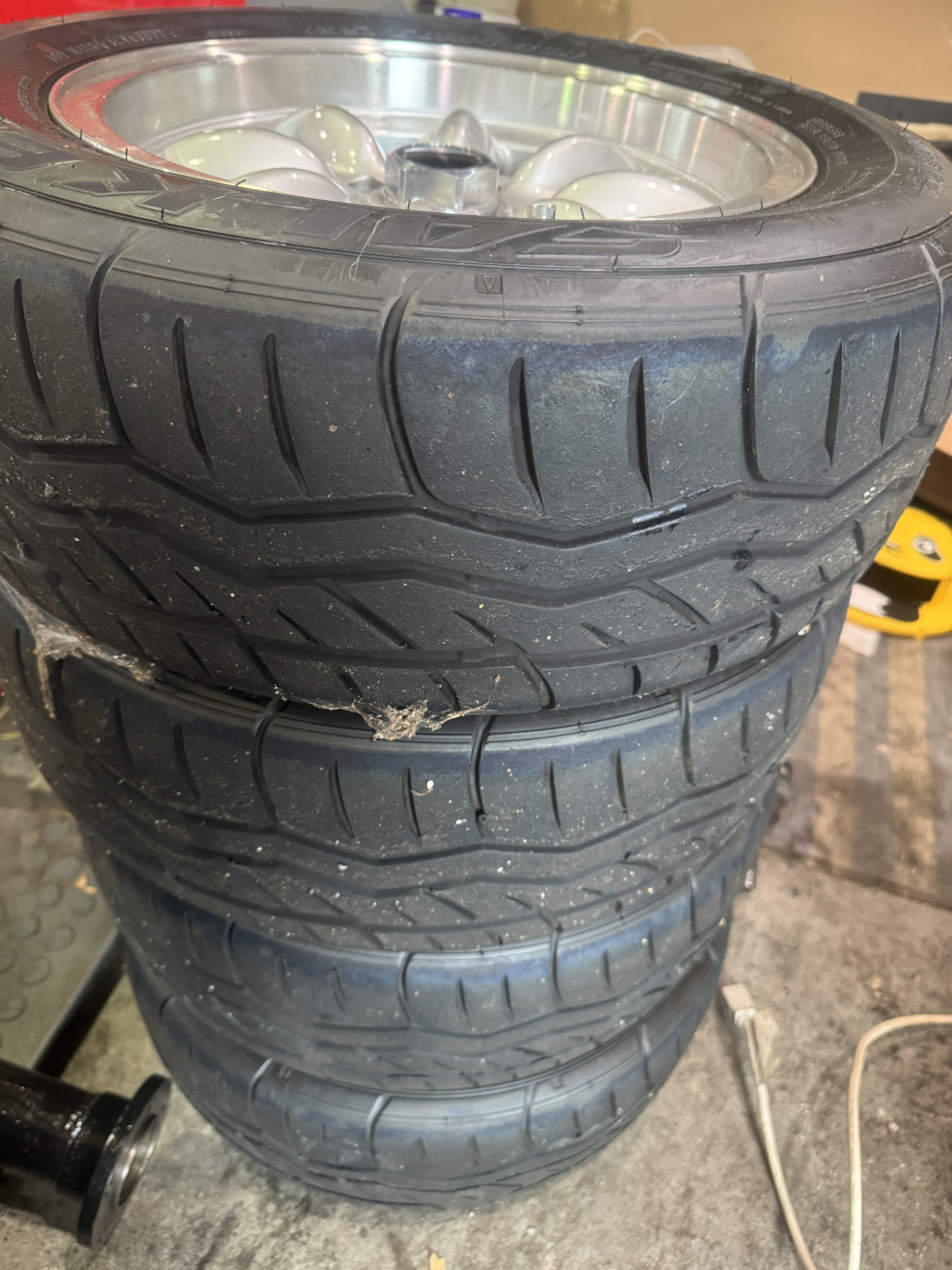
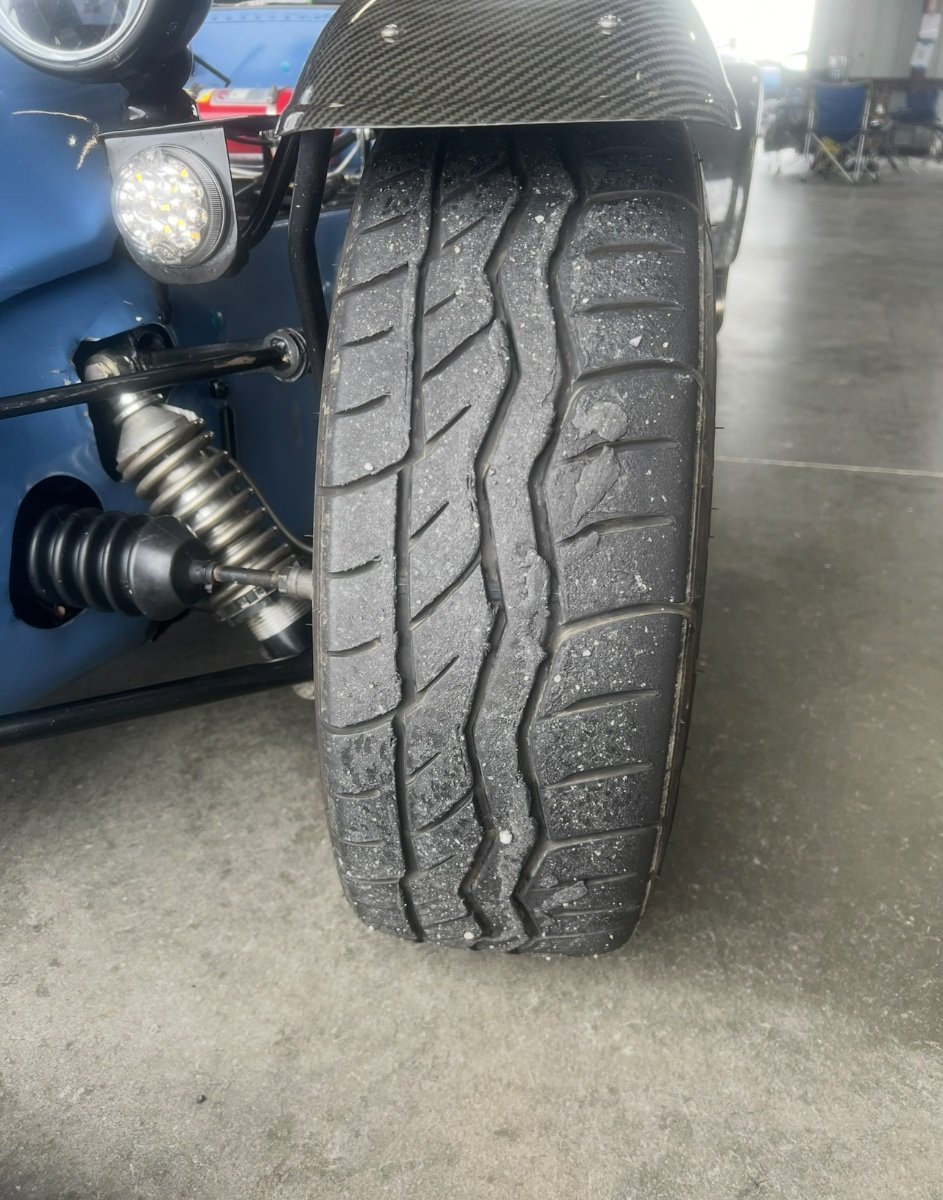
FS: Four (4) Toyo r888r 185/60r13 - $400
NSXguy replied to NSXguy's topic in Parts For Sale / Wanted
SOLD. -
2026 Annual HPDE Hosted by NJMP Drivers Club - October 17/18, 2026
NSXguy replied to Croc's topic in National Events
Read that as well, Charlie. Welcomed news! I suspect due to Friday forecast they don’t anticipate much track activity which allows for early drop off for our weekend sessions. -
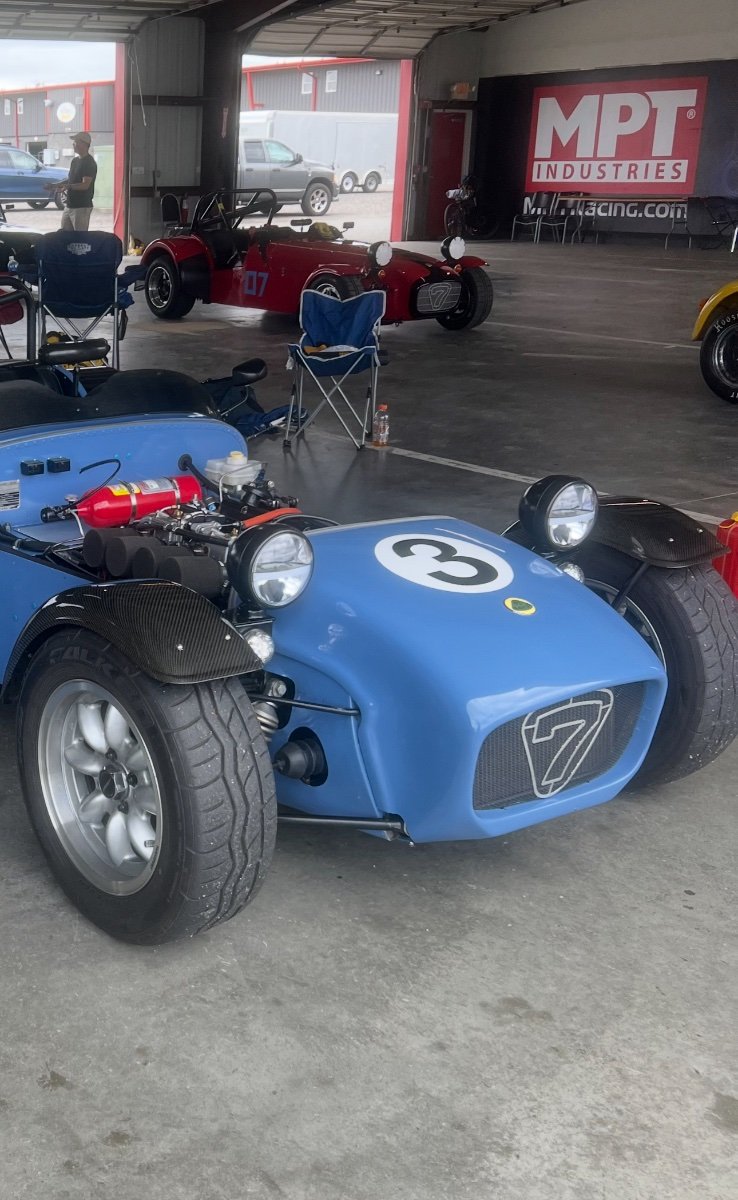
I have these tires for sale. About 1.5k miles on them + 4 track sessions. Lots of usable miles left. Only replaced as i scored a set of Avons. I will upload photos tomorrow. 1- Willing to ship at buyer's expense 2-If attending NJMP this weekend, i can deliver there.
-
Sure, I would be down for this.
-
i'll share photos of mine tomorrow. It's been so long i don't even remember what mine looks like with the spare tire holder. Have never needed it.
-
The Regular Summary of Classified Ads of Se7ens Found For Sale
NSXguy replied to Croc's topic in Cars For Sale
you'll do just fine with R888 on the street, even with spirited driving. -
2026 Annual HPDE Hosted by NJMP Drivers Club - October 17/18, 2026
NSXguy replied to Croc's topic in National Events
We'll be there... NSXguy + Mrs_NSXguy + kiddo -
WTB: 5.75" Headlight Housings/Shells/Bowls
NSXguy replied to Origin7's topic in Parts For Sale / Wanted
I believe I have a set in my stash. Will PM with confirmation -

-
Nice meeting you as well! Pleasant surprise to have 3 se7ens in attendance.
-
Make sure your choke "pull" mechanism (pre carbs, in the cabin) isnt sticking. i can't see the choke mechanism in the units requiring a significant effort to activate unless maybe they have gotten gummed up from sitting; in which case, they can be removed and thoroughly cleaned. Once way to trouble shoot is to isolate variables; I would remove the cable entirely and actuate the choke mechanism on each individual carburetor. If one or both are tight, then sort the offending choke. if they both move freely, then the culprit is elsewhere; either in the routing or mounting of the cable. The chokes should work properly with the return spring mechanim installed so I would not consider removal a satisfactory permanent solution. -Dez.
-
If you can share photos of the car/engine and we can probably be more helpful. If S.A built, it may have an AX block installed which is the best(read -strongest) for tuning/upgrade purposes. It sounds like it is running wasted spark ignition which is nice as you can achieve a tailored ignition curve and thus better performance than the standard distributor based setup. Twin 40s, 32mm venturis and 4 to 1 collectors hitns at an engine that is built to rev. You'll likely(possibly) find that it has an upgraded camshaft and double valve springs as well. -Dez
-
I may be interested in this for my classic 7. Will PM.
-
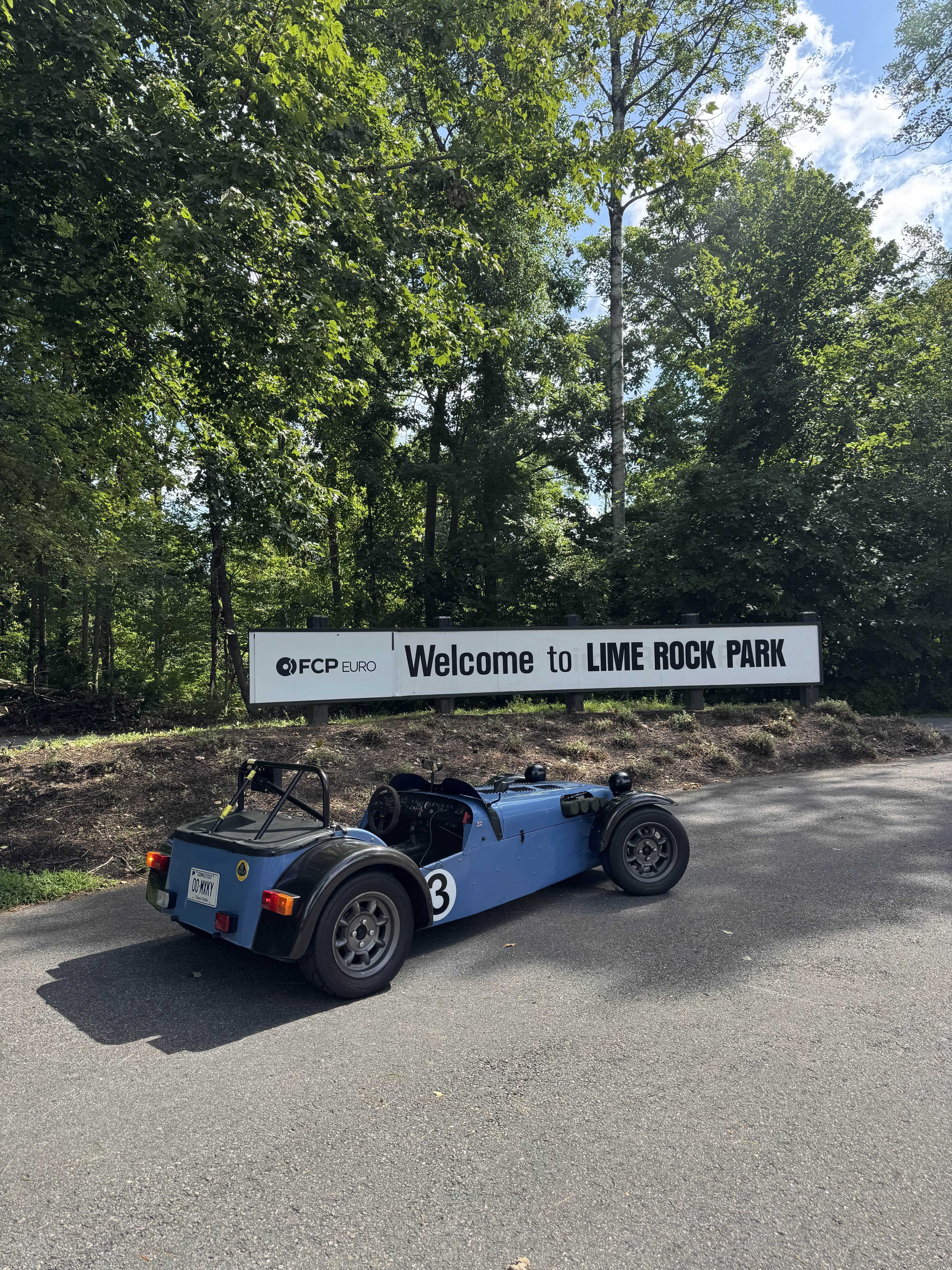
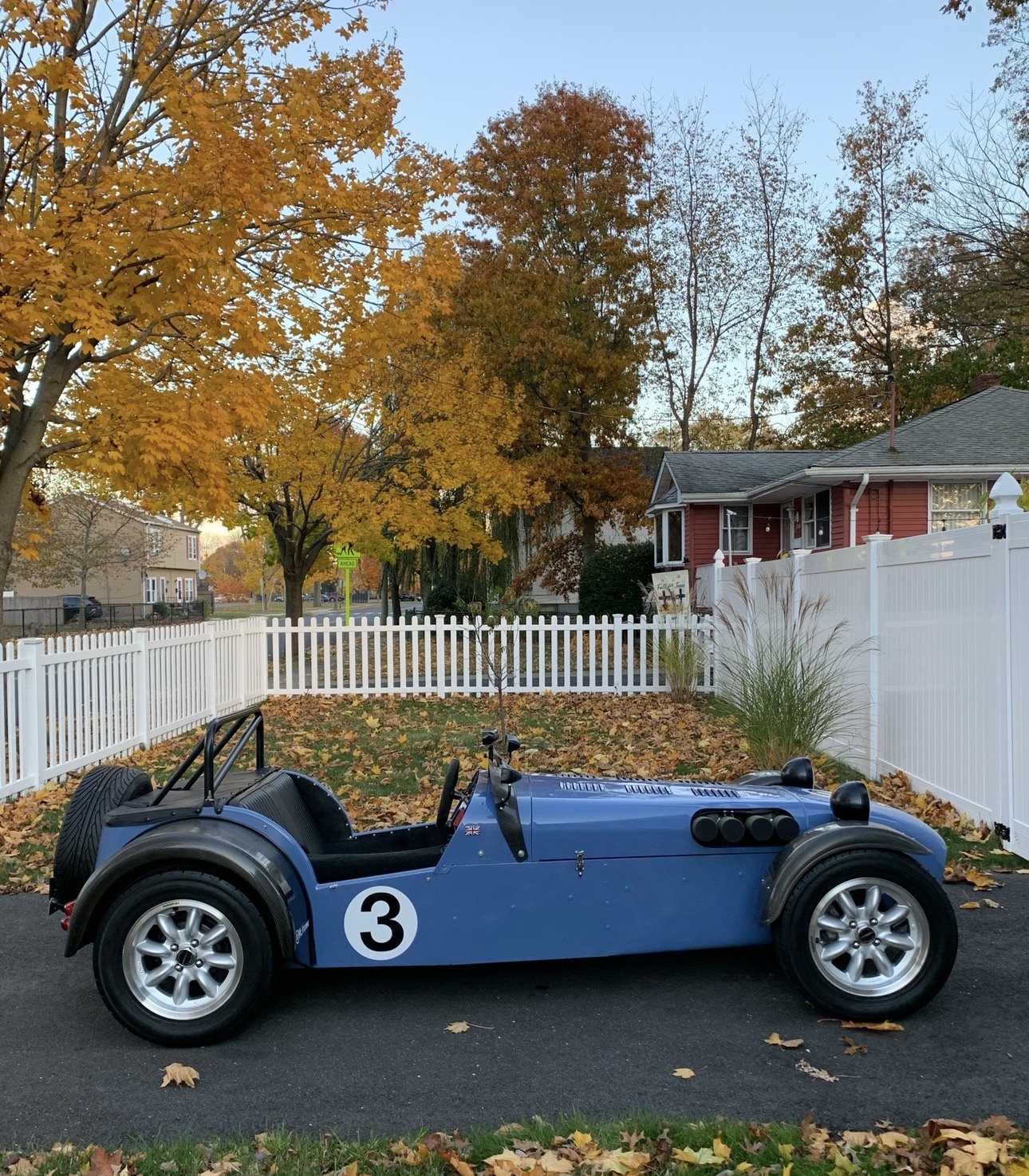
From this past weekend. First proper blat of 2026.
-
From the first photo in the post- 38/21
-
Geez fellas ... there's a time and there's a place for banter. This is neither!! Forum etiquette...
-
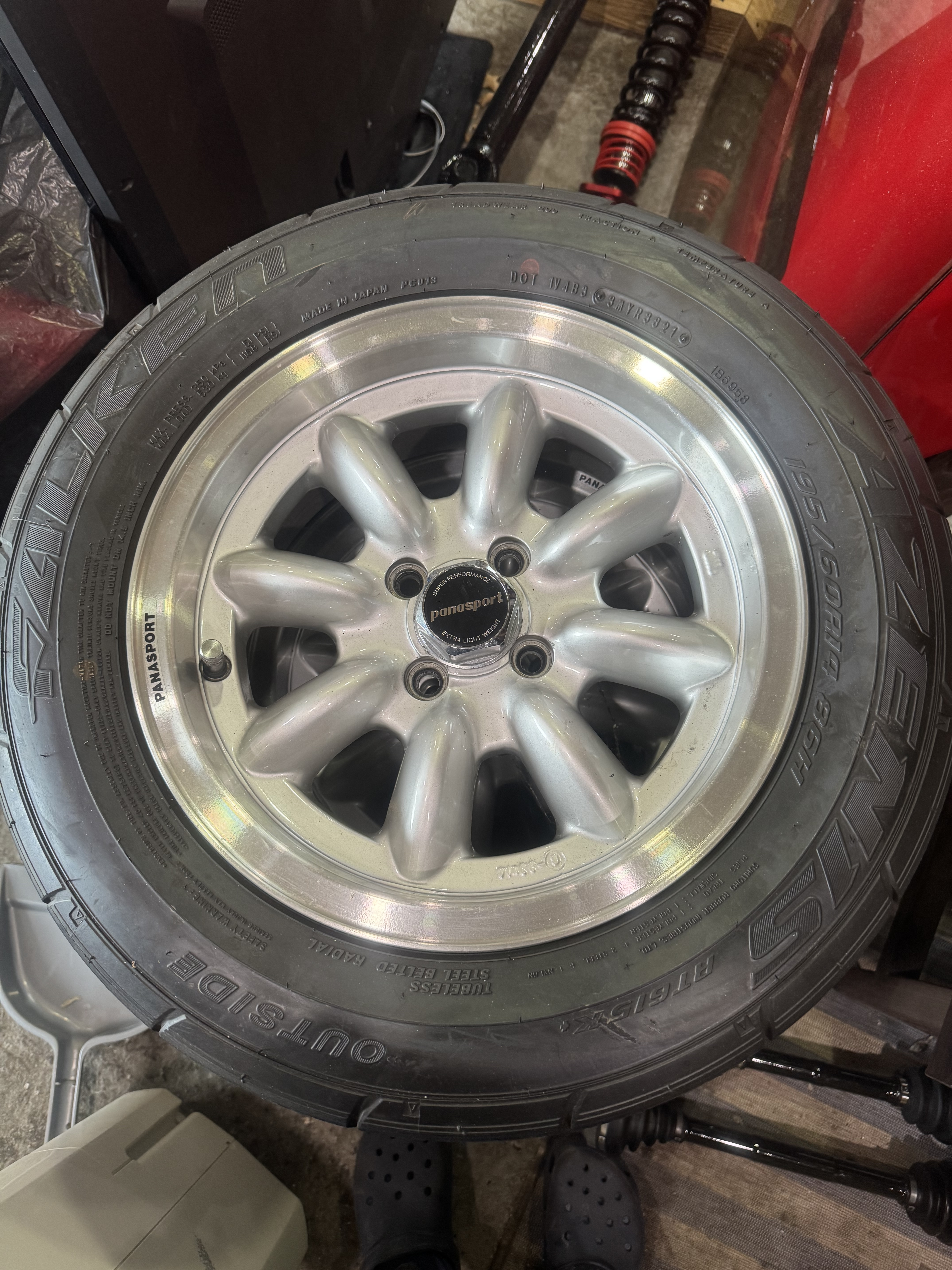
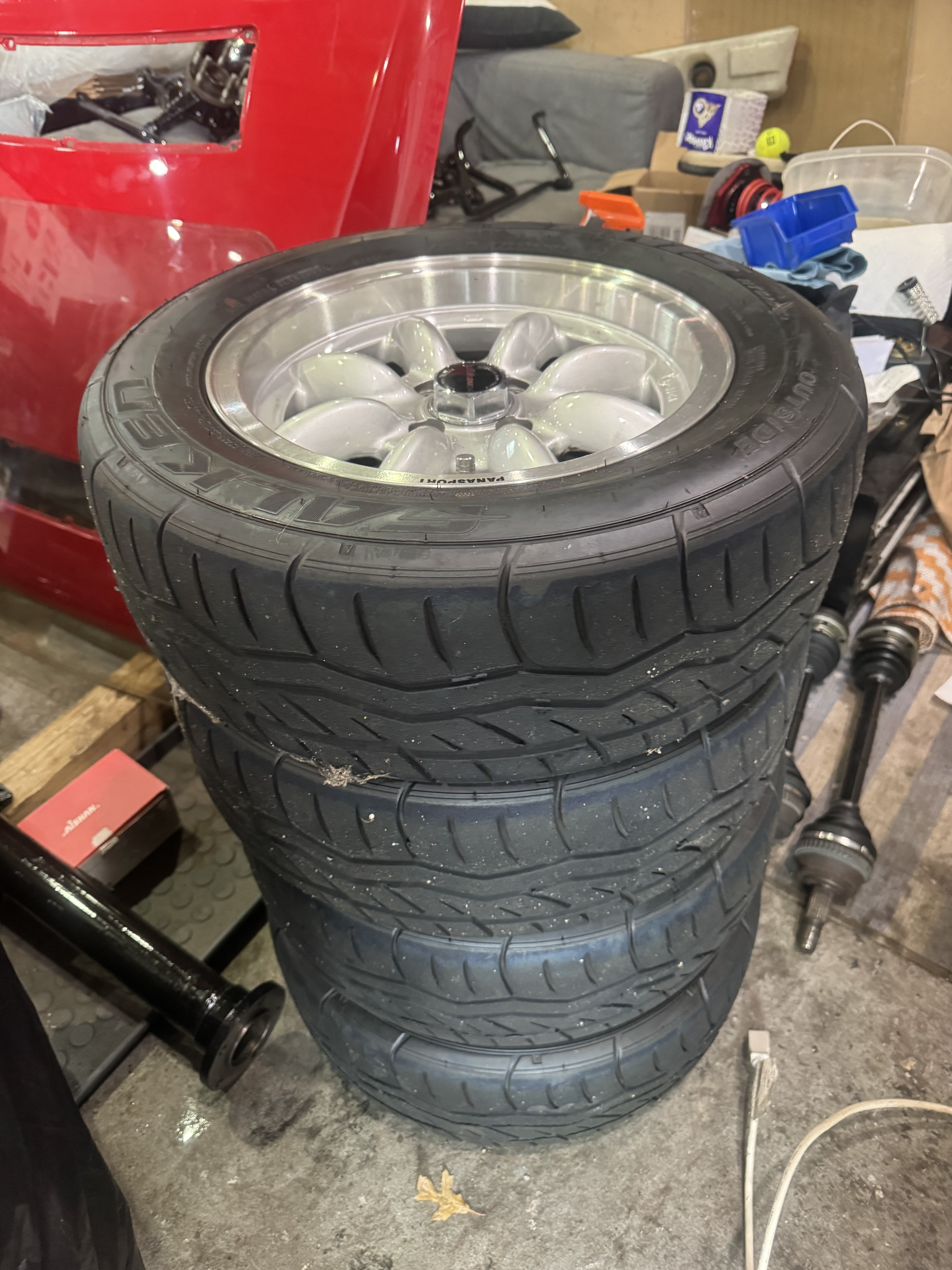
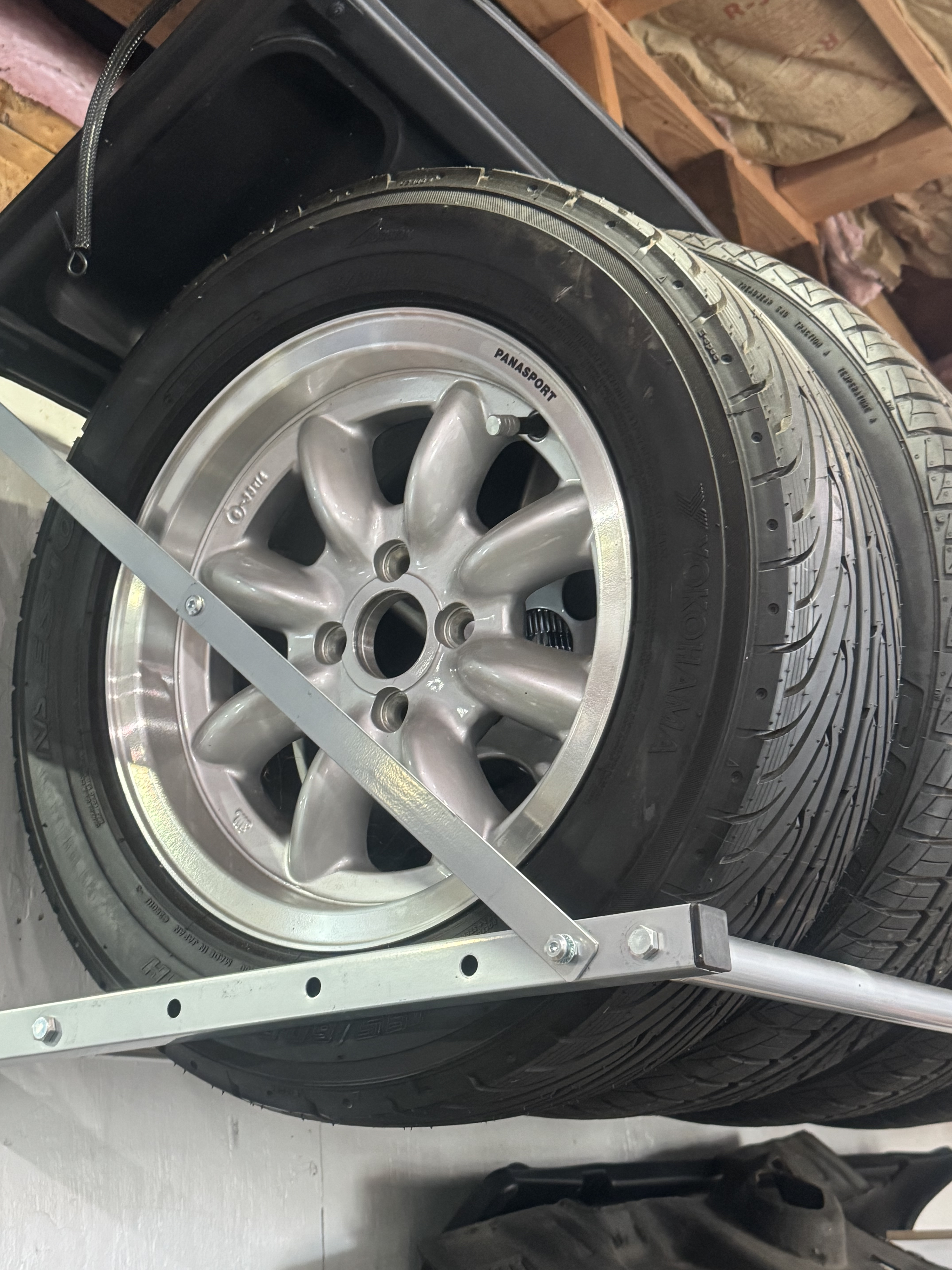
-As title states, I am offering for sale, 5- 14x6" panasport wheels (1 was the spare). 4 are mounted on Falken tires and the spare is mounted on older yokohama tires that are aged out. The falkens have roughly 1500 miles and 2 outings on track. Wheels are in great shape and tires Plently of life left on them. -These wheels are for the earlier 7's with the ital/marina pcd; will also fit triumphs. - Prefer not to deal with shipping if possible. Some older photos of the wheels mounted-
-
Awesome, she looks soo good. ARI did the heavy lift, now you get to do the fine tuning! I would recommend you have a wideband o2 sensor bung added to your exhaust after your merge collector. This will help with the next step of optimizing AFRs. (you can do it other ways, but this is my personal preference even if just to use during tuning) 1-Based on your engine spec, if you wanted improved idle performance and driveability at low loads, you can choke down at the expense of performance at higher loads but i agree with above that 28mm is too small and likely causing overly rich running condition (depending on current jetting, especially when cruising). Mine is close to 1700cc and i run with 32mm chokes (have run as high as 34mm on track) but also have aggressive cams- its a balancing act with carbs. I would expect ARI set the floats to spec for DCOE 151s which are the carbs you have. Having the floats set differently will also affect your final jetting and performance as well. Based on what i see in the photos, the 4-1 exhaust and short trumpets on the DCOEs, the engine is likely setup to breathe and perform up top, so you'll want at least 32 if you want it to perform as designed, but it will also run choked down to 30s as already mentioned with the appropriate jetting. 2-Based on your engine spec, your timing may need to be tweaked as well (so it's nice that you already have the 123 ignition module installed). Even if your engine was standard spec, you can optimize the advance curve for better performance. Curious, di you get the bluetooth or the USB version of the dizzy? i have the bluetooth version for the 7 and find it really convenient for tweaking on the fly as opposed to the USB version i haven in the renault. You can post your current settings and jets (idle, mains/air corr. , accel pump, mixture turns, ignition, fuel pressure etc) and we can help/advise from there as you get on with the tuning or message me offline if your like.
-
I ran Falken RT615K+ on my 7. 195/60/14. fit fine with cycle fenders and performed well on street and a few track days. no issues with ground clearance. The RT660+ also come in same size.
-
Applying Aerodynamics to Lotus Seven-Shaped Objects
NSXguy replied to CBuff's topic in General Sevens Discussion
Thanks for sharing!! Thoroughly enjoyed the analysis and reporting! -
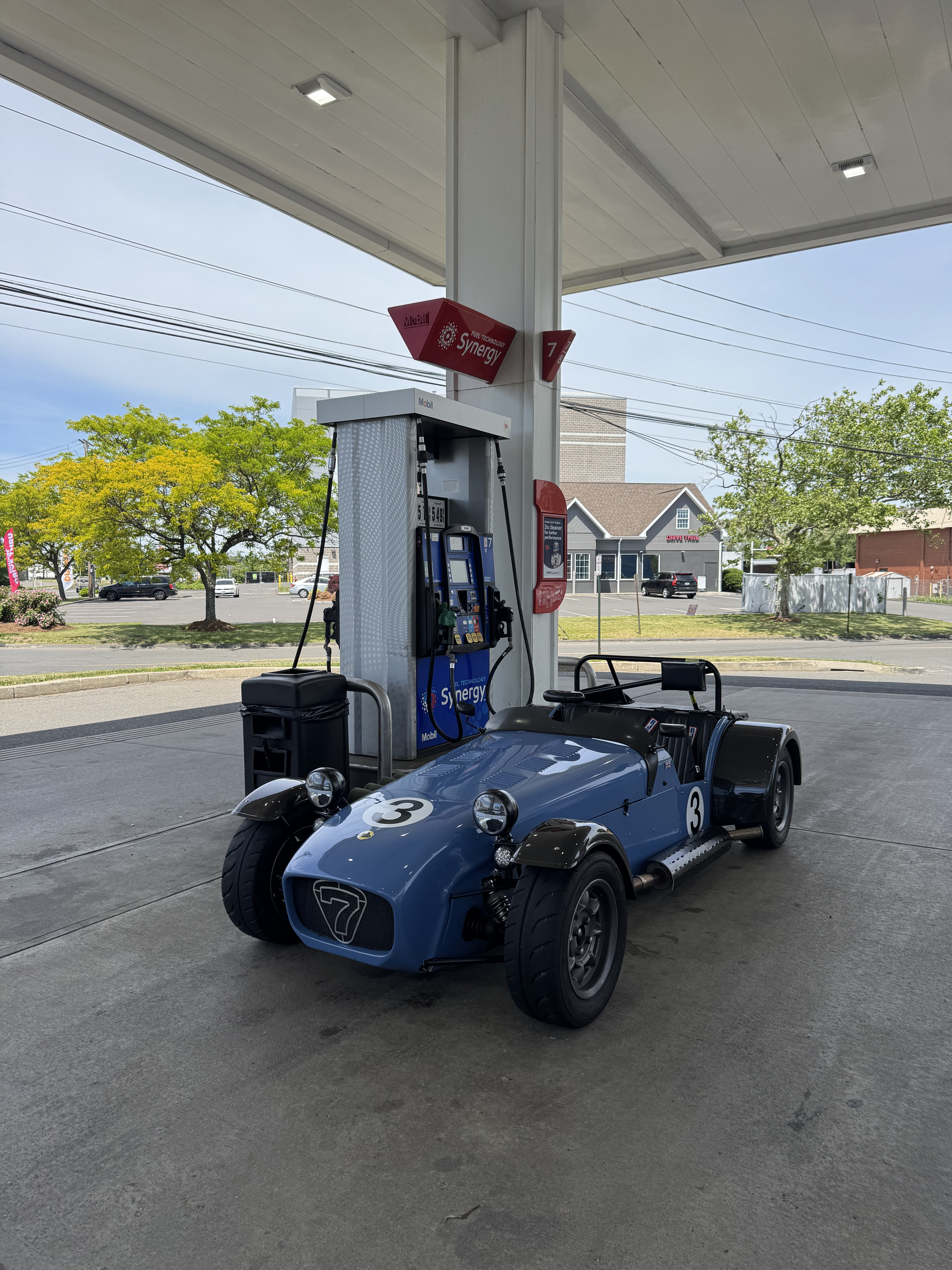
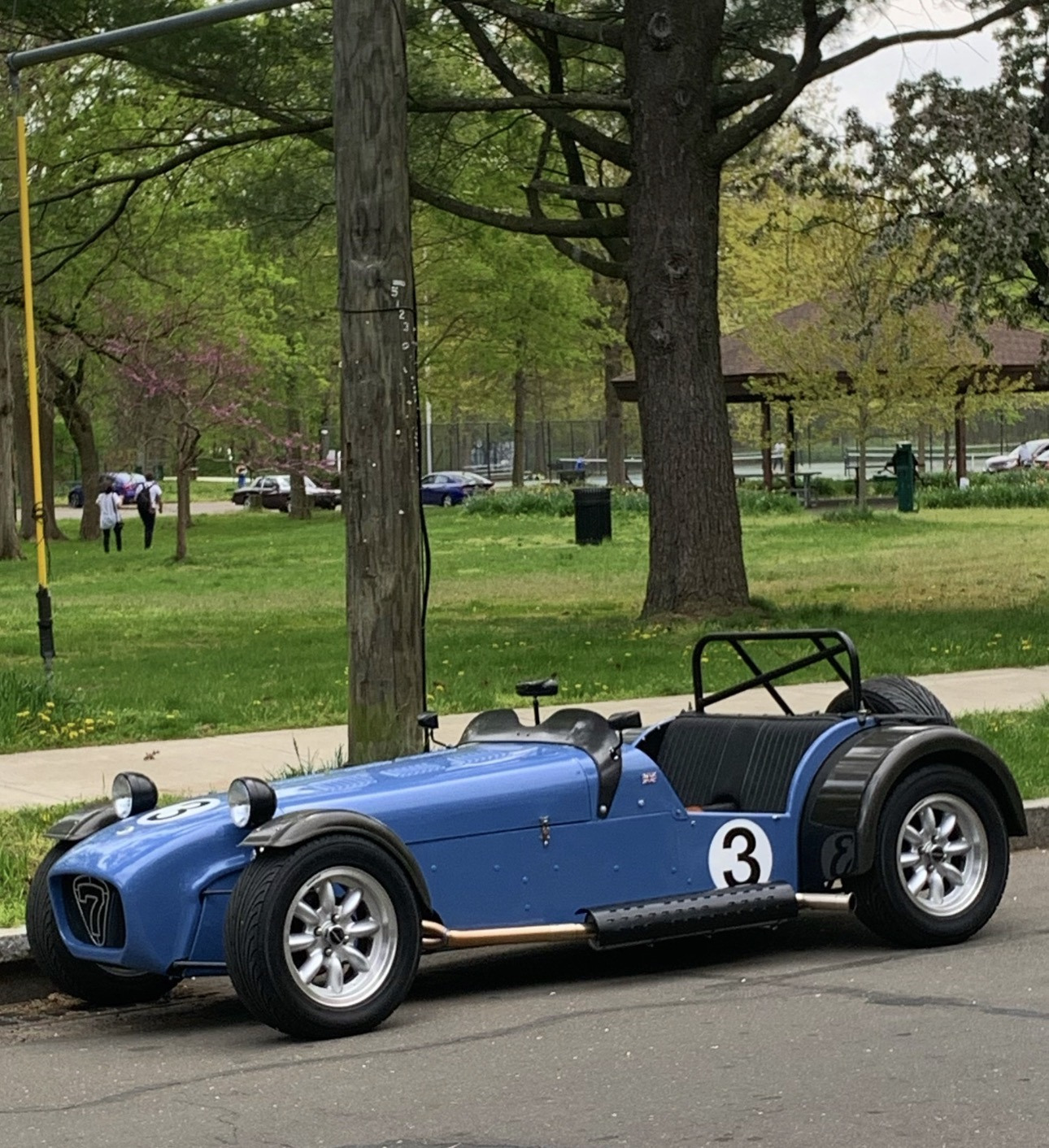
My 7️⃣’s current stable mates. The Lancia is apart for a refresh at the moment.
-
interesting choice to go with a Lima on this build. Thankfully there's still a decent amount of aftermarket support for the platform. What are you using for engine management. If going stand alone engine management, then you could do away with the dizzy all together and run wasted spark.
-
For someone with general mechanical but limited automotive aptitude referenceing a good wiring diagram is probably the better way to QC as a hedge against these types of electrical gremlins during the build. For others possessing solid automotive understanding and trouble shooting skills, You'd scope out the trigger signals and verify that patterns look good. Cranking with the timing light would also tell if you have trigger/sync issues to correct prior to first start( Sync/trigger issues are by far the biggest culprit leading to no start on modern or older project/build cars) . Typically on a modern standalone engine management(i realize that may not be the case here), the issue could be solved without even needing to depin and repin the Crank sensor. often times you can select a different sensor edge in the software from falling or rising triggering depending on how it is pinned as seen in the scope trace. In either scenario, when/after assembling a 7 and before initial start, "pre flight" checks should be done to confirm readiness: -Check fuel pump primes with key on engine off (confirm check injector solenoid actuation as well, easier with aftermarket ecu) -Check TPS sweep and actuation/calibration and adjust if necessary -check crank position functionality (scope, check timing with timing light; if on engine management, adjust arming thresholds) -Check oil level and prime engine to build oil pressure before start (many ways to do this. easiest- removing spark plugs to lower load on starter)
-
negative- they fit good; no rubbing