
xcarguy
-
Posts
3,835 -
Joined
Content Type
Profiles
Forums
Store
Articles
Gallery
Events
Library
Everything posted by xcarguy
-
Dave, Congradulations!! Great looking car and awesome color choice! :cheers:
-
Brit, You nailed it with your last sentence. The threaded portion of the bolt, when coming in contact (under load) with the eye of the support bracket is more than likely going to cause irregular wear over time, especially if you drive the car aggressively (my thought). Where the bolt thread and bracket eye meet, there is essentially no 'grip' to speak of. You could very well end up with an elongated eye and a worn bolt, both of which could, at the very least, cause slop in that area of the suspension. This would, in turn, effect alignment, handling, etc. Using bolts with the correct grip length is a relatively cheap, quick fix for warding off potential problems down the road.
-
subtle, The link is in a post on the first page of this thread. This is what's on the table for consideration: http://www.uflyit.com/streamline_fairings.htm
-
. . . . . . :jester: I think more about stress fractures caused by long term driving on imperfect roads and having a bolt fail at an inoportune time . . . such as when you're at the track and running down the straight at 140 +. :ack: And Brit will be seeing a lot of MSR Cresson once the car is finished.
-
Fire it up! . . . . Whose gonna know? :jester:
-
Brit, I don't think you're over thinking things by expressing concerns about bolts that have the threads loaded in shear, especially when it comes to suspension components. Having bolts with the proper grip length is a pet peeve of mine. When I built my car, I ordered all my mounting hardware (shocks, A-rms, steering rack mount . . . everything) from Aircraft Spruce because I could get every bolt with the correct grip length. There is a reason aircraft aren’t build using bolts with the threads loaded in shear. :ack: It’s a bit more money to go this route, but I think it’s good insurance against hardware failure. My two cents. :cheers:
-
Pretty draggy, Dan. Pretty doggone draggy.
-
It's always 1700 hours somewhere. :cheers:
-
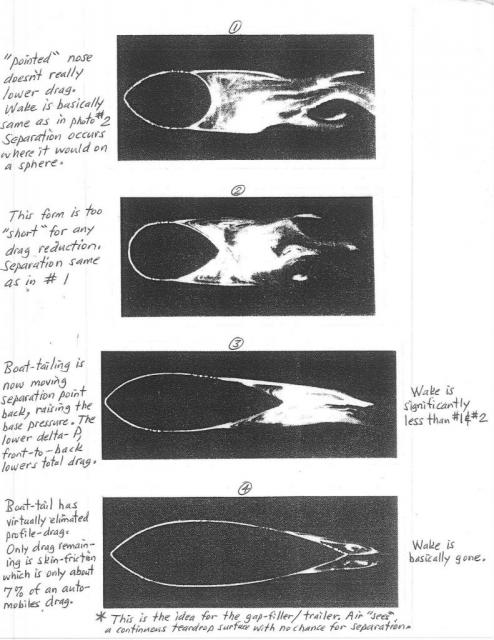
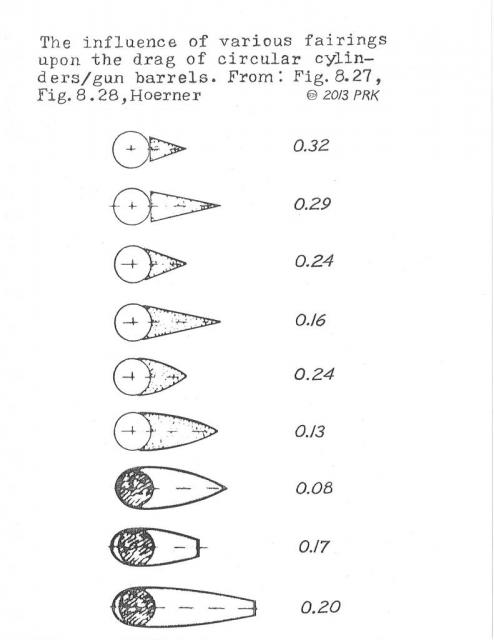
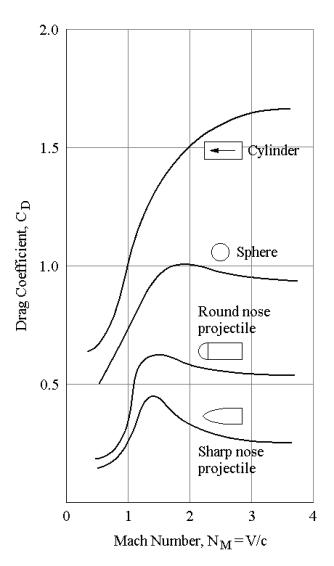
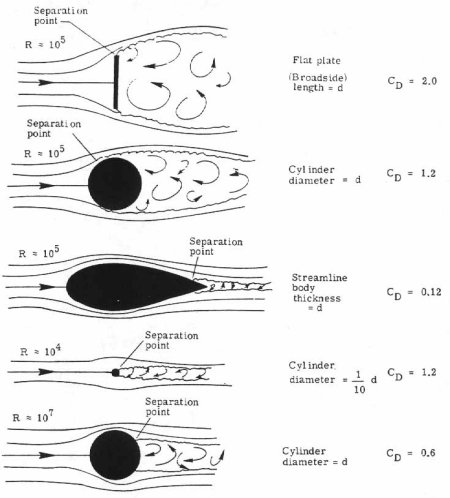
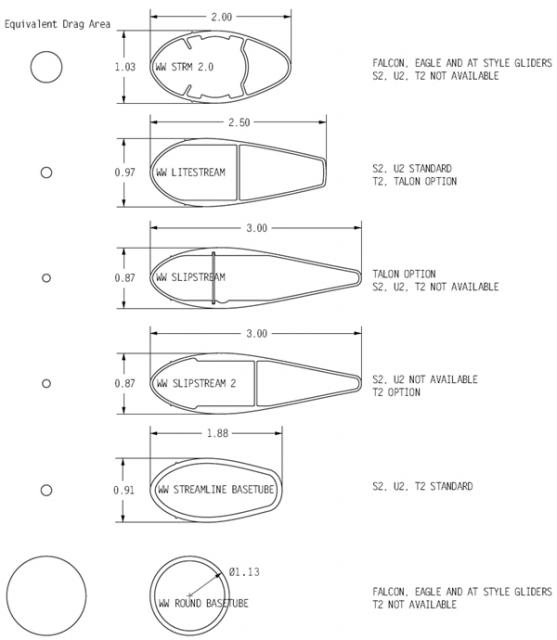
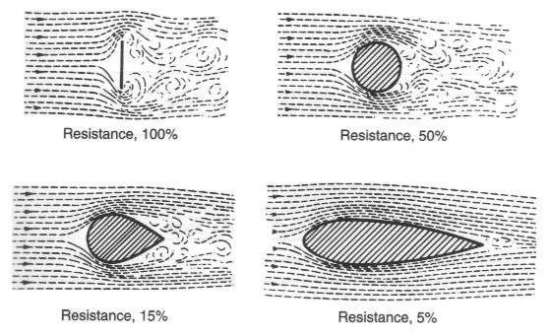
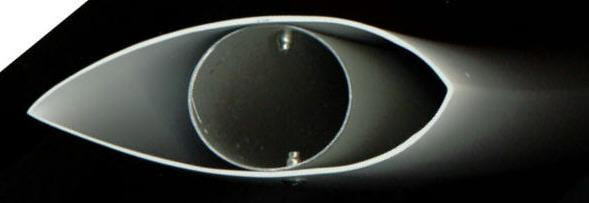
Here a few photos that easily illustrate the coefficient of drag for different shapes (note the difference in drag coefficients between cylinders and airfoils). Also attached is a photo of a cross section of an aircraft round wing strut (think roll bar tube) covered with streamlined tubing. Theory is that if one can streamline any portion of an exposed roll bar, then that portion of the roll bar will be more aerodynamic and produce less drag. . . . . . .

-
Tom, That is another area I've been contemplating. I have a couple of ideas, but, my fab skills have to catch up with my imagination. :jester: One idea is to cover the A-arms individually and simply leave the shock exposed. The other is to fab rounded covers that attaches to the 'lips' (fairings) on the sides of my hood and extend outward, and backward, far enough to cover the majority of the suspension components without interfering with steering and suspension travel. Yep, I need an English wheel and a planishing hammer . . . . . and I need to learn how to use both. :smash:
-
Dan, I was wondering when you would chime in. That's encouraging numbers regarding wrapping round bar with fairing. A couple of us on here are considering rising to the challenge to see if we can indeed cheat the elements. :cheers:
-
Mike, I've heard/read on several occasions that round bar is one of the worst things you can hang out in the wind. The lack of taper (teardrop shape) on the back side of the bar (when exposed to the relative wind) causes the resultant airflow to stall (in a since) on the back side of the bar. This causes a low pressure area (suction), know to us speed jockeys as drag. Here are a couple of videos that can illustrate better than I can with words. The first is a symmetrical airfoil (watch first) and the second is round tube (cylinder). On the second video, notice the vortices directly behind the trailing edge of the cylinder; that's the dreaded area of drag. Essentially, the faster we go, the more we try to suck ourselves backwards! :ack: Airfoil: Cylinder:
-
toedrag, The top cover of my tunnel is removable as well as the lower section of the dash . . . and . . . the tunnel cover underneath 'that' section of dash. Down the road, you may find yourself in a position where you need 'relatively' easy access to things such as the drive shaft, the drive shaft safety loop/bar/retainer, shifter, wiring, fuel line, etc.: Note the wiring and fuel liine runnning just underneath the tunnel cover: http://www471.pair.com/stalkerv/gallery2/main.php?g2_itemId=23579 Drive shaft accessed and drive shaft safety bars (safety loop) removed: http://www471.pair.com/stalkerv/gallery2/main.php?g2_itemId=24447 Drive shaft safety bars installed: http://www471.pair.com/stalkerv/gallery2/main.php?g2_itemId=24459 Shifter and forward-tunnel access: http://www471.pair.com/stalkerv/gallery2/main.php?g2_itemId=21280 . . . . . . :smash:
-
My steering components (shaft, u-joints) are from Borgeson: http://www.borgeson.com/xcart/catalog/Universal_Joints-orderby_0-p-1-c-2.html I think you'll find pricing more to your liking. Give these guysa call. They can help you wtih, and provide you with, everything you need.
-
Tom, You read my very thoughts. This is what in looking at. Got my wheels turning: http://www.uflyit.com/streamline_fairings.htm
-
Kevin, You're also running Brooklands, so you may be interested in this mod (left it out if the previous post). This mod helped tremendously with reducing airflow underneath the Brooklands at speed: http://www471.pair.com/stalkerv/gallery2/main.php?g2_itemId=25040 Also, if click on the link in my signature on any of my posts, it will take you to my Gallery file. The last two pages of my file has all the mods from the previous post. Shane
-
Yep, I wouldn't mind having that to keep the Storker company.
-
Many of us are now running full roll cages on our Sevens, and for good reason. But just how much drag do these round tubes produce? This is an old video, but the conclusions are just as valid today as when they were first realized: . . . . . . :rofl:
-
 Gale, Do you have photos you can post?
 -
Busa, Average looking? Really? Don't think so. Are those LED's along the bottom of the nose? . . . . Not average.
-
:iagree: . . . . . . :lurk:
-
I've always loved the 'look' of the S1. It's the car that got me interested in Sevens to start with (sat in a roller in 2000 at Doug and Ronnnie Reed's Superformance toy store in Chalmette, LA).
-
jevs, The bolts may very well be included with the covers; call your local GM parts department and verify. However, I cannot stress enough the importance of 'safety first'. A friend of mine owned a 1957 Corvette that he dragged raced regularly during the season. While it has been several years ago now since this happened (and safety standards have changed for some very good and obvious reasons), his clutch blew one night. When the clutch failed, it took the flywheel with it. He somehow (miraculously) escaped any serious harm, but the shrapnel pretty much disintegrated the stock bell housing and the fiberglass trans tunnel as well as cause additional damage to the car . . . as one can imagine. I mean no disrespect, and I'm absolutely not intentionally trying to sound preachy, but you’re building a high performance car designed for high performance driving. I would not let the fact that you ‘already’ own an aluminum bell housing detour you from making a change that’s geared toward your long-term safety and peace of mind. My shop is litered with ‘parts trophies’ (some brand new, unused and still in the box) that have gone by the wayside for whatever reason. Having said that, if you do opt for the aluminum bell housing, please, at the very least, consider using a bell housing safety blanket for that ‘just in case’ moment. Something such as this: http://emracingcorp.com/scripts/prodList.asp Were you to go with a steel bell housing, I believe this is what you may need, but you would want to confirm this with Lakewood: http://lakewoodindustries.com/ls1-to-dodge-viper.html
-
jevs, The only thing seperating yourself from the clutch is an aluminum bell housing and the the thin aluminum tunnel cover. If the clutch ever decided to 'give it up' the outcome would be dire at best. I would suggest using a Quick Time bell housing, especially if you plan on tracking the car. Here is an article pertaining to a T56/Quick Time/LSx install . . . . food for thought: http://www.truckinweb.com/tech/1109tr_project_novakane_transmission_clutch/photo_21.html
-
Bringing back memories. :cheers: