JohnCh
-
Posts
3,266 -
Joined
-
Last visited
Content Type
Profiles
Forums
Store
Articles
Gallery
Events
Library
Everything posted by JohnCh
-
I had the same question so asked Raceline this morning. Peter said it's 22mm x 2mm.
-

New set of Bilsteins w/Sport Springs from 420R - SOLD
JohnCh replied to JohnCh's topic in Parts For Sale / Wanted
These are spoken for. I'll update the listing to sold once the deal is done. -
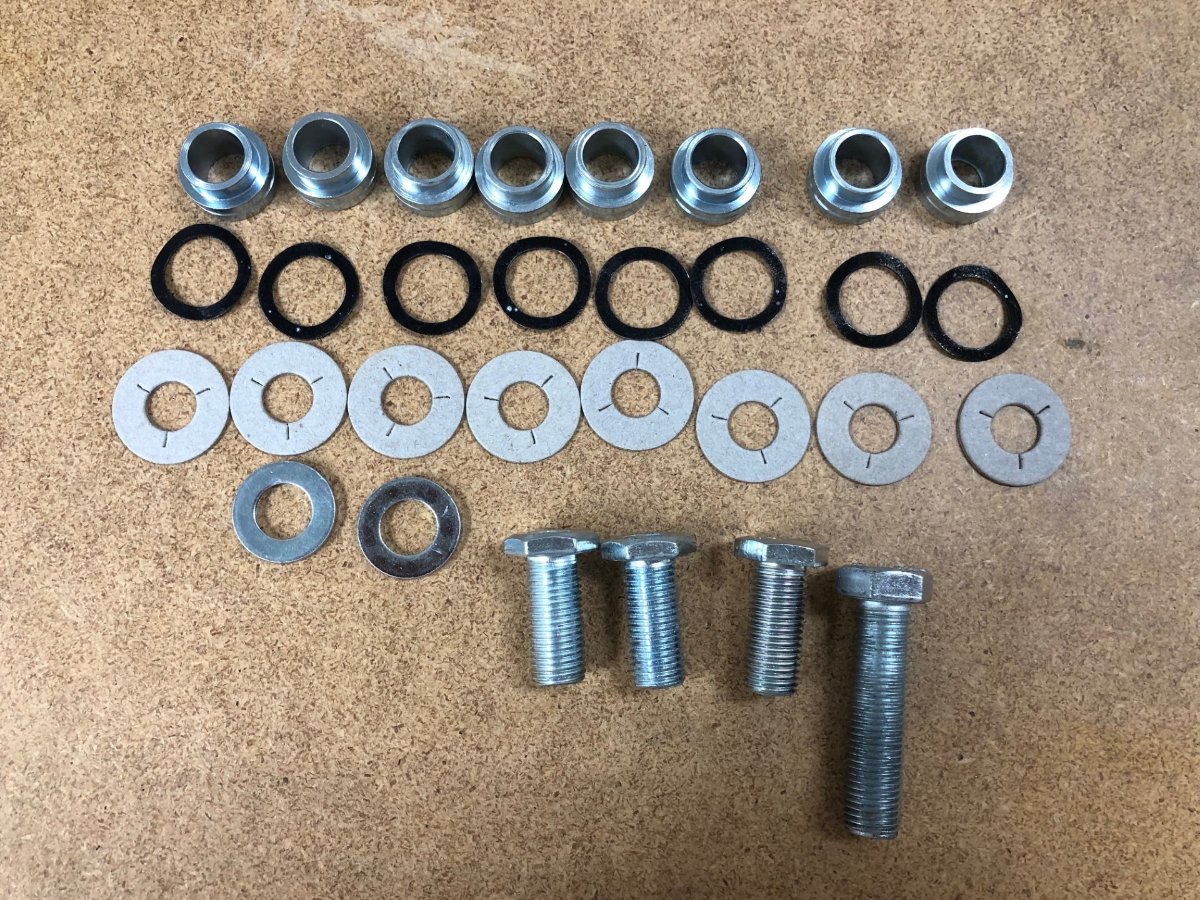
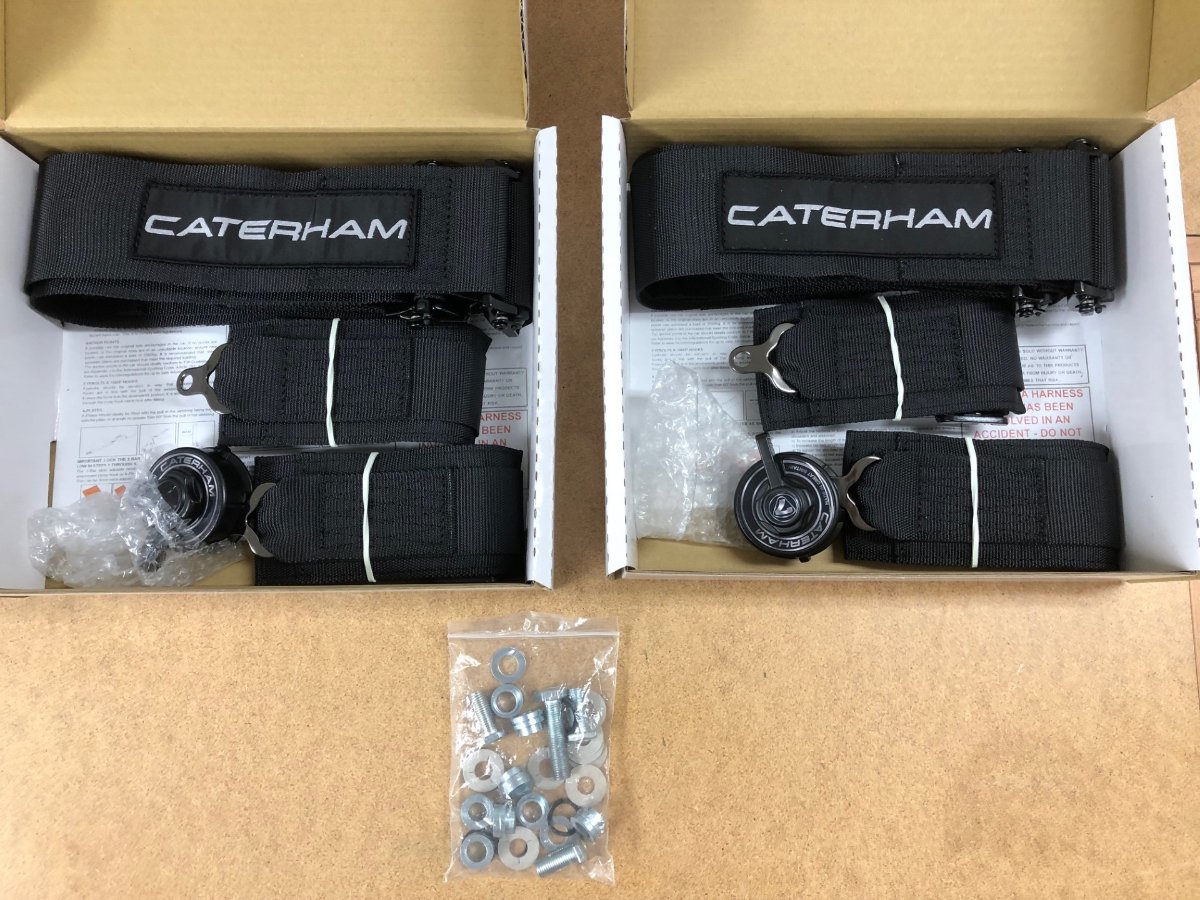
Two unused sets of Caterham four-point harnesses as supplied new with my 420R kit. Included hardware is missing a few standard washers, 3 of 4 shoulder bolts, and 1 lap belt bolt. All other fasteners, including the more difficult to acquire locally swivel inserts, wavy washers, and fiber washers are included. These belts are not supplied from the factory with date codes. Current factory price excluding VAT is 469 GBP for the pair, or $574 at today's exchange rate. Asking $450 $300 https://caterhamparts.co.uk/seatbelts-harnesses/7525-seatbelt-4-point-quick-release.html -John

-
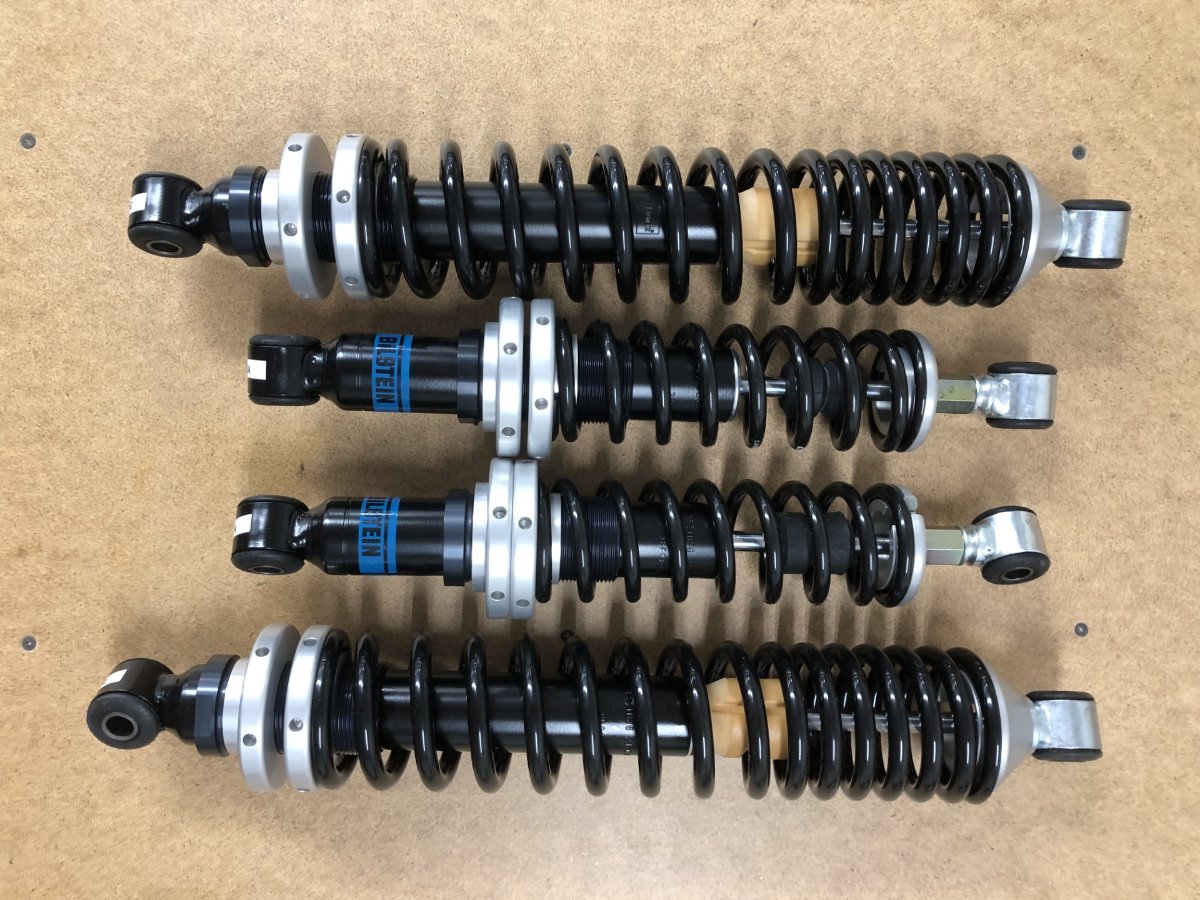
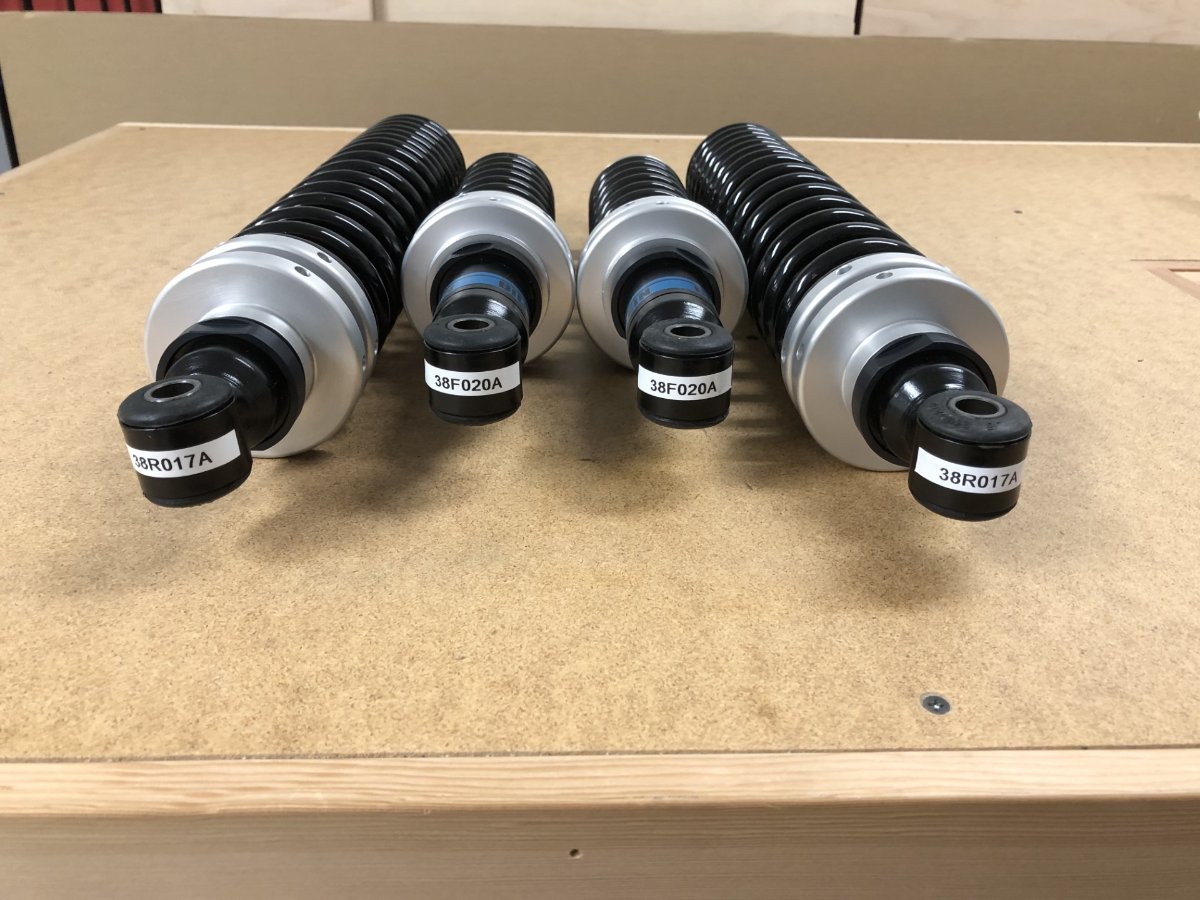
Brand new Bilstein dampers and springs take offs from my 420R kit. As per Caterham, these fit both the SV and S3 chassis provided the latter has the wide track. Spring rates are 170 lb fixed-rate front, and 140 lb progressive on the rear. Links to the parts on Caterham's parts side are below: Front: https://caterhamparts.co.uk/dampers/4614-damper-and-spring-front-420-road-specification.html Rear: https://caterhamparts.co.uk/dampers/2881-damper-and-spring-rear-420-road-specification.html Current price excluding VAT and international shipping costs is 607 GBP for the set, or $743 at today's exchange rate. Asking $500 plus shipping. -John
-
Almost new ITG JC50S/125 sausage filter for sale. After waiting 3 months for my special order version with no logo to arrive, I purchased this standard logo version to tide me over and allow me to proceed with my build. The no-logo filter arrived a few weeks later and this filter was returned to the box after covering less than 50 miles. There is some discoloration on the underside left where it made contact with the bonnet, but as per the close-up photo, the foam is undamaged. These are available new from Pegasus for $175 here. If this is for a new installation, you will also need to purchase the baseplate linked from that page. $100 plus shipping. -John
-
It's been over 4 years since installing one in the Elan, so my memory is foggy, but 123 was responsive to email when I had an issue with one of my iOS devices connecting to the software. You do need to trigger the LED as this confirms the distributor is at the expected location for the map advance to be correct. Two installation steps to check when doing this: The black ground wire that goes to the coil should not be connected when rotating the distributor to trigger the LED. That attaches afterwards. Make sure you are rotating the distributor in the right direction. You need to approach it from the opposite direction that the rotor spins. I seem to recall I had this backwards on my initial attempt and had trouble triggering the LED. -John
-
Ross's stories are always a great read. He has an account on the forum but hasn't visited here in a bit. Calling @I B Sevener to greet some fans and encourage more road trips -John
-
I believe you are referring to the Hydramat to pump interface. If so, the pump is using an 11mm inlet which is quite common. There are other pumps and Hydramats that use a 19mm opening. It's not that the pump needs to be submerged to prevent fuel leaking out of the body or air from sucking in. It's that the impeller must be below the surface of the fuel (i.e. submerged) so it is not lifting it, but rather is displacing it forward. The gerotor is a positive displacement style and can create a vacuum beneath it, thus generating lift.
-
Thanks, but if the low suction issue is simply down to the pump design, and a direct fit replacement is available, that seems like a lot of unnecessary work. The fact that the extra in-tank plumbing didn't create a restriction for low suction turbine impeller when it was below the fuel level, gives me hope that a gerotor pump won't have any issues and the Hydramat can do its thing.
-
I learned something interesting this week about my earlier fuel starvation issues. During troubleshooting a couple of months ago, multiple conversations with both Holley and the pump manufacturer resulted in a consensus that the pump to Hydramat plumbing was too restrictive. Those restrictions were subsequently removed but the issue persisted, which then pointed a finger to the tank design and the fact that when fuel is low, and when turning left, that side of the tank can quickly go dry. Fine. The Caterham stock system can't reach all the fuel in the tank anyway, so simply treating it like a smaller tank was really no different than stock from an effective capacity perspective. However, a follow-up conversation with the pump manufacturer this week contained a nugget that revealed the real reason behind the earlier issue: the turbine impellers used in most dedicated in-tank pumps, must be below the fuel line to operate effectively. The impeller occupies the bottom 1/4" of the pump body. Add in space beneath for the Hydramat plus a little buffer, this means at least 3/4" - 1" of fuel should be present in the tank for seamless operation. Now throw in the fact the Caterham tank is wide and places the fuel pump at one end, and anything less than a 1/4 tank could easily put the impeller over the fuel line on a long left turn, thus creating starvation despite the Hydramat's ability to supply fuel as long as it can touch it. The fix is a positive displacement in-tank pump that will fit the application. These can create suction and don't need to be submerged to work (or so I'm told). So far, I've only found one. The Walbro GSS341/2. It uses a gerotor rather than a turbine impeller, is rated as the same flow as my current pump and has the same 11mm inlet that works with my existing in-tank plumbing. I'll give this one a try. I suspect the lift is also sufficient that the earlier plumbing design with two elbows won't be an issue. Reverting to that version will allow the use of the longer, more centrally located Hydramat that affixes to the tank bottom, solving another issue. Unfortunately, the direct mount Hydramat currently in use can float up, contacting the bottom of the fuel sensor tube and cause wildly inaccurate readings. My plans to reorient the sensor to gain a constant 1/2" clearance may no longer be required. -John
-
Sprinkled throughout the vitriol, biases, agendas, hypocrisy, and offensive remarks, there was some good information and perspectives shared in this thread. However, at this point, I don’t see anything positive coming from further responses that might inflame the situation, so I’m going to close it and allow everyone to take a deep breath.
-
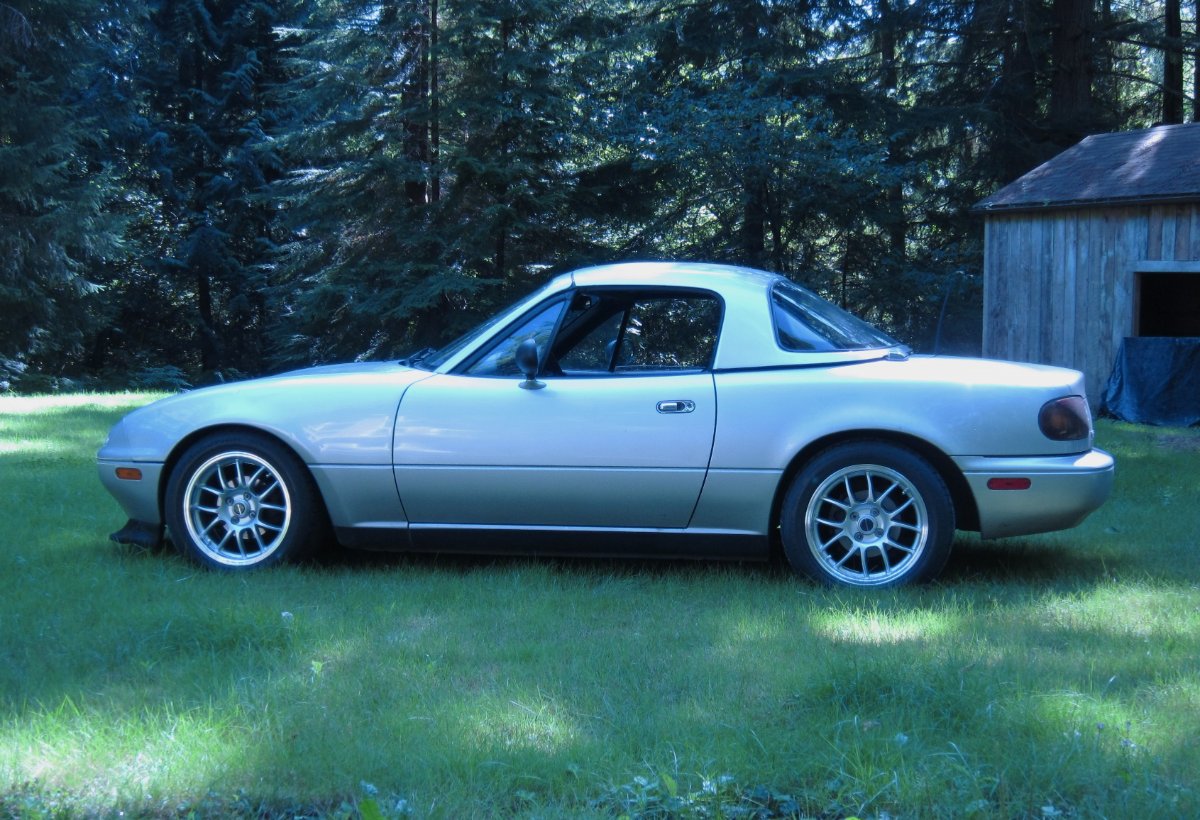
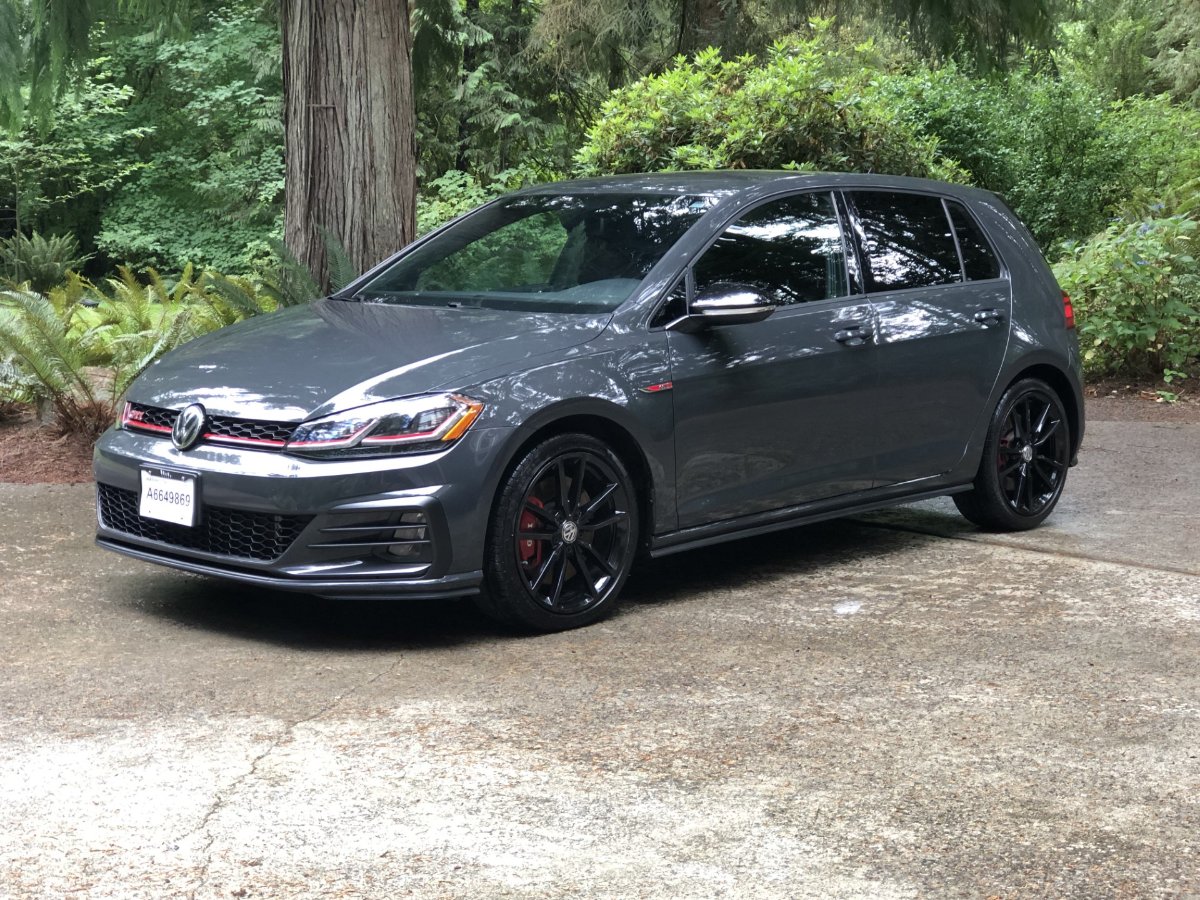
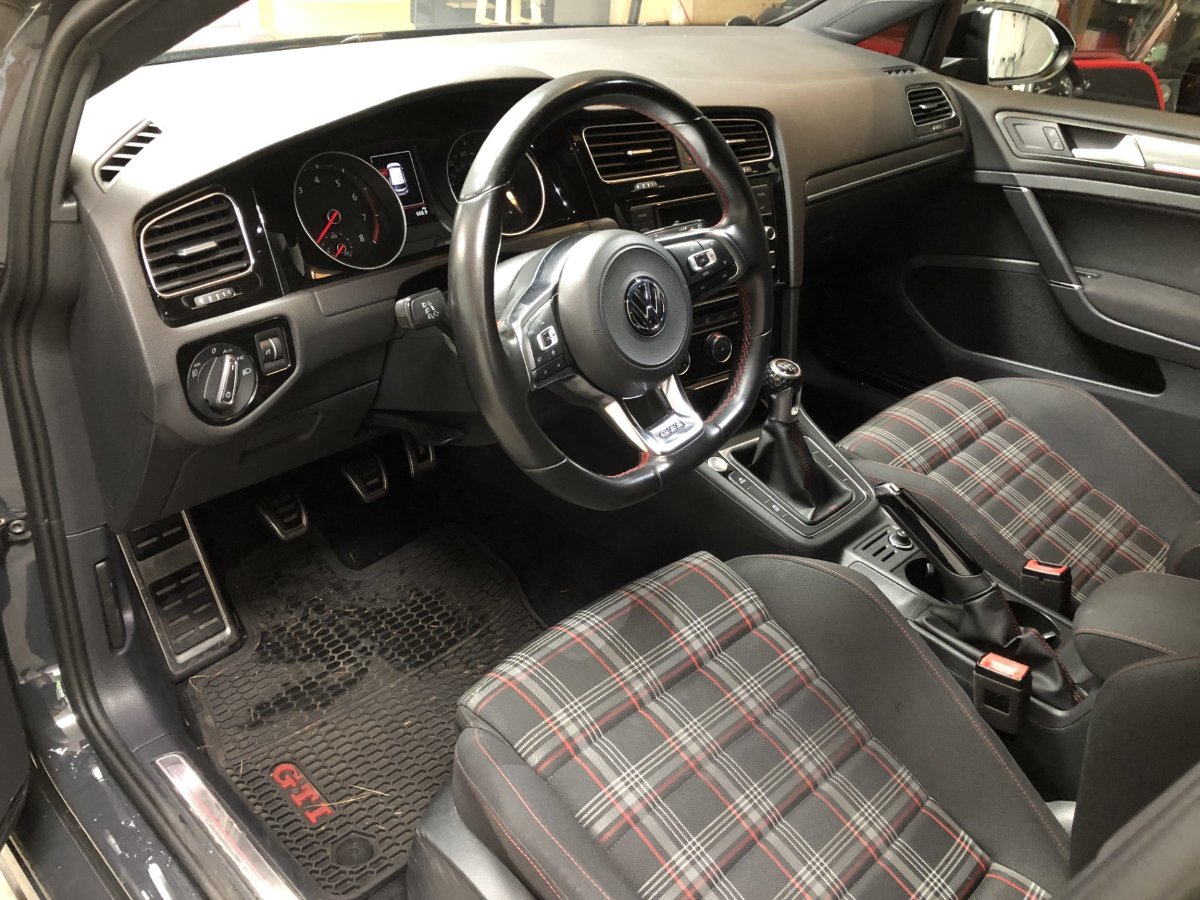
Getting this thread back on track, I'll share details of a recent acquisition. I finally reached a point in my life where I needed something practical and more conventional for daily use. I'm pretty hardcore when it comes to cars, which is another way of saying I'm impractical and a bit of a masochist. Case in point, about 9 or 10 years ago, my track-prepped NA Miata slowly began replacing my 993 for daily driving duties. With Sparco Sprint seats, Schroth harnesses, bolt-on hardtop, roll bar, Flyin Miata suspension, brakes, and chassis stiffeners, it's not a particularly civil or practical car, but it does epitomize that saying about driving a slow car fast being more fun than the inverse, and there is a freedom in not caring where it's parked. If it gets a door ding or is used for target practice by a colony of Seagulls, big deal. However, it sucks in the wet, and in the heat (no AC), and on the freeway, and when asked to transport anything bigger than a breadbox. Yes, it was finally time for something I can drive every day of the year regardless of the weather. Something with modern safety and convenience features that my wife will use on those days when I need to swap for her big SUV, and something that can transport a large dog a short distance. Pulling the 993's passenger seat so I could take one of the dogs to the vet 5 miles down the road had grown tiresome. To ensure I would actually use this car regularly, as opposed to my previous attempt at owning a personal utility vehicle, it had to be reasonably small, fun to drive, not so special that I cared about where it was parked or who drives it, and feature a manual transmission. Bonus points if it had good aftermarket support and a solid upgrade path should I opt to do what I always do with the cars I own. I finally settled on a GTI, picking up a 2019 Rabbit edition last month. This version comes without the sunroof (remember the big dog requirement) and has the LSD, the bigger brakes from the Golf R, the adaptive LED headlights, the iconic Clark plaid seats, and is available in an under-the-radar color. Much to my surprise, and following upgrades to the tires and shifter, I actually like it. It's certainly not super focused, or something that encourages you to find an excuse to drive it, but it does successfully meet all my adult requirements. I'll probably do some modest suspension updates over the winter, and may do a remap for more power, but it's been a pleasant surprise thus far. -John
-
Before anyone gets excited about @Al N.'s parts for sale, keep in mind he posted the ad 16 years ago. -John
-
I've moved the discussion on the auto repair labor market to a dedicated thread here:
-
I've moved the lengthy discussion above on auto repair labor market that started in the Other Cars of USA7s Members thread to one dedicated to the subject.
-
The dyno shop sent me two maps with different fuel enrichment strategies, and asked me to try both, then send logs for the one I prefer. He would then refine the chosen map based on that data. I had time at lunch to give them both a try and was really surprised; both felt great and addressed the issue. Honestly, I could keep either one with no further changes and be satisfied. Curious to see if I can sense any improvement from the next iteration he sends.
-
When looking into importing a previously registered "normal" car into Canada for about a year, out of curiosity I also asked Canadian officials about importing a kit car legally registered in the US and was told it was not a problem given it was over 15 years old. I didn't pursue that line of conversation further, but I can confirm that the initial process and fees we were given for the normal car proved to be incorrect when we pursued it -- fees went from "about" $5k to double that figure with more steps involved. Bottom line, conflicts between published information and the people who administer the rules has a similar vagueness as we see in the US. It's definitely worth a conversation with the proper authorities, but I'd advise getting things in writing.
-
Might be worth reading this. A quick skim shows if the car is less than 15 years old it needs to meet "all safety standards for the passenger car class." https://tc.canada.ca/en/road-transportation/importing-vehicle/importing-car-kits
-
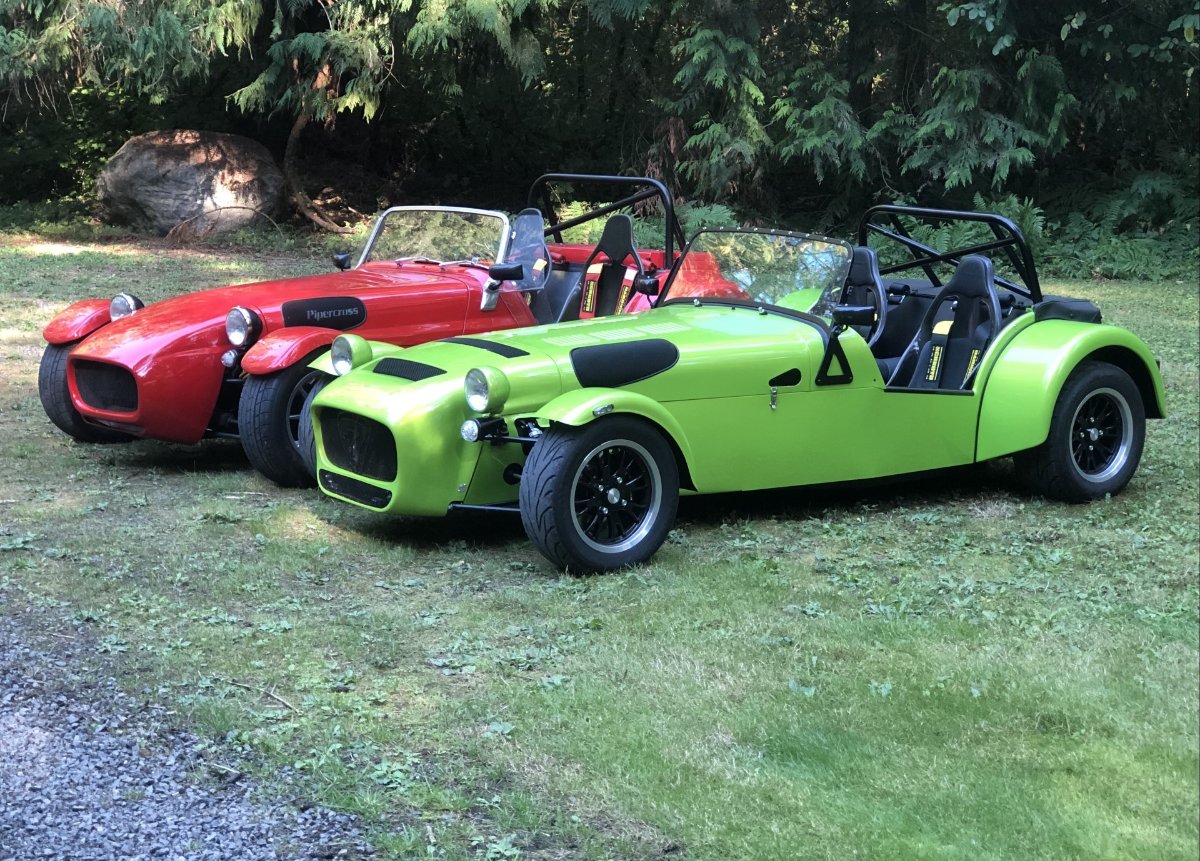
When I picked the car up from the dyno over 3 weeks ago, I wasn't able to drive it very much before it went to Beachman Racing for PPF and alignment. It finally came back earlier this week, which afforded me opportunities to abuse…er, I mean to test the car. My initial reaction wasn’t great. Compared to the Westfield it felt big, had slow steering, and the throttle response below 4000rpm was poor, which made the low end feel soft. Not the most auspicious start. The throttle response issue is the same lean surge upon tip in I mentioned in earlier posts. Unfortunately, the dyno operator didn’t have a chance to drive the car on the street when it was there, so this aspect wasn't addressed. He's asked me to send logs taken this weekend so he can make changes to the map which I can then upload to the ECU and we can iterate until it's right. Once I drove the car a number of times and started to adjust to the differences, things began to change. When driving around the tip-in issue, the engine is savage. It loves to rev and becomes really strong as it approaches 5000 rpm. The chassis is nice. Steering is too slow for my taste, but it is accurate with great feel. Traction has not been an issue, and the ride is surprisingly good. I'll credit the CORE dampers and revise spring rates for that, although given I haven't tried the car with the stock Bilsteins and spring, you should take that comment with a very large grain of salt. Interestingly when driving it back-to-back with the Westfield, the throttle pedal travel feels significantly longer, yet measuring the two, they are identical. I suspect this misperception is due to the radically different shapes of the pedals. The Westfield's is a traditional shape, whereas the Caterham's is a loop that the foot rolls across as it's pressed. A couple of issues have cropped up. The capacitance fuel sensor is reading incorrectly and with some randomness. I believe this is down to the new Hydramat, which attaches to the bottom of the fuel pump rather than the bottom of the tank like the original. This allows it to float up, blocking the bottom of the sensor tube which is a no-no according to Centroid. I'll address this later and will rely on the trip odometer in the meantime. The dash has become partially detached. I suspect this is down to overly tight tolerances in places with the scuttle. As the chassis flexes, the scuttle puts repeated pressure on the dash and has broken the bond with the adhesive. This is another fix over the winter, as doing it right means removing the scuttle. I tested the oil temperature reading with long temperature probe that can reach the bottom of the tank near the sensor and confirmed that at running temperatures, the gauge is reading 5C too low. I'll readjust the calibration, but until then I'll mentally add 5C to the dash reading. The oil cooler block off plate appears to be working well. No problem getting oil up to temperature and it hasn't gotten hot when driven aggressively.
-
I suspect his recommendations will be very different based on the use cases. Given the power output of my engine, I wanted springs and dampers that could cope with high speed overtakes on our narrow, bumpy roads without risk of losing traction. The Westfield with its 2.0L and IRS is fine, but the 2.4L and de dion was more of an unknown, and I had been advised this might be an issue. Simon recommended digressive front dampers with linear 275 lb. springs and normal rear dampers with progressive 150 lb. springs. Looking at my notes, he did say that for track work where consistency is important, linear springs all around are preferred.
-
I can't comment on stock Caterham to aftermarket, but I did go with the CORE dampers and different spring rates for my recent build and can comment on dealing with Simon. He was very helpful, talked through what I was wished to achieve, and made recommendations from there, and explained his reasoning. I did question his spring rates -- like @Croc, Simon does not believe in stiff springs and feels the factory R offerings are over the top for road use. However, I decided to give his rates a chance since changing springs down the road isn't a big deal. So far, I'm very pleased. If you haven't seen his Buyer's Guide, it's a good overview of the various options. -John
-
And???? You can't post a comment like that without providing more details on how it drives -John
-
Annual Gathering of Sevens; And, a Request!
JohnCh replied to rider's topic in General Sevens Discussion
This topic migrated to the 2023 USA7s HPDE at NJMP Lightning thread and was taking it sideways so migrating the relevant posts (the 11 immediately above) back here so things are in context. -
Importing a 2022 Caterham 7 from Canada to the US
JohnCh replied to Arahant's topic in General Sevens Discussion
Keep in mind when you bring the car into Canada, if it's there longer than a defined time (I believe it's about 3-4 months) you have to import it which includes a very significant tax based on the value of the car as determined by Canadian customs. Depending on where you live, those taxes can total about 20% of the value. It's worth checking into this first to ensure there are no expensive surprises. -
Importing a 2022 Caterham 7 from Canada to the US
JohnCh replied to Arahant's topic in General Sevens Discussion
There is a thread for that . @Croc updates this each Sunday with the current known cars for sale online.