
IamScotticus
-
Posts
2,396 -
Joined
-
Last visited
Content Type
Profiles
Forums
Store
Articles
Gallery
Events
Library
Everything posted by IamScotticus
-
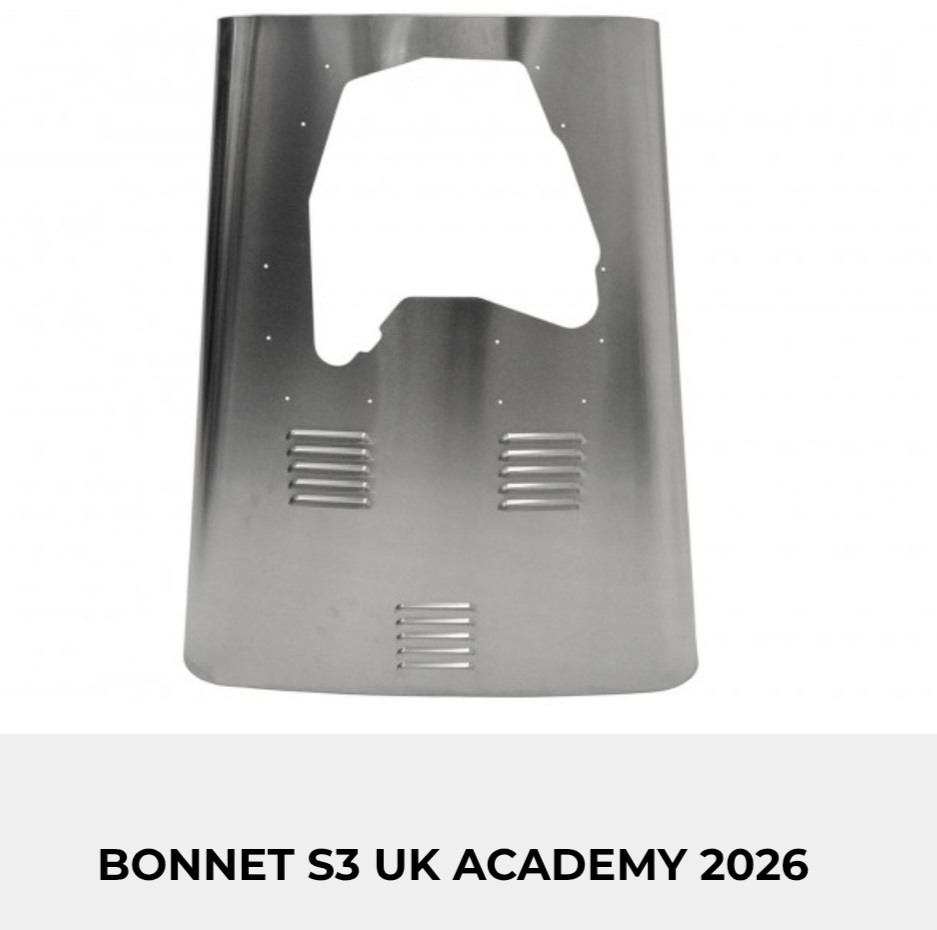
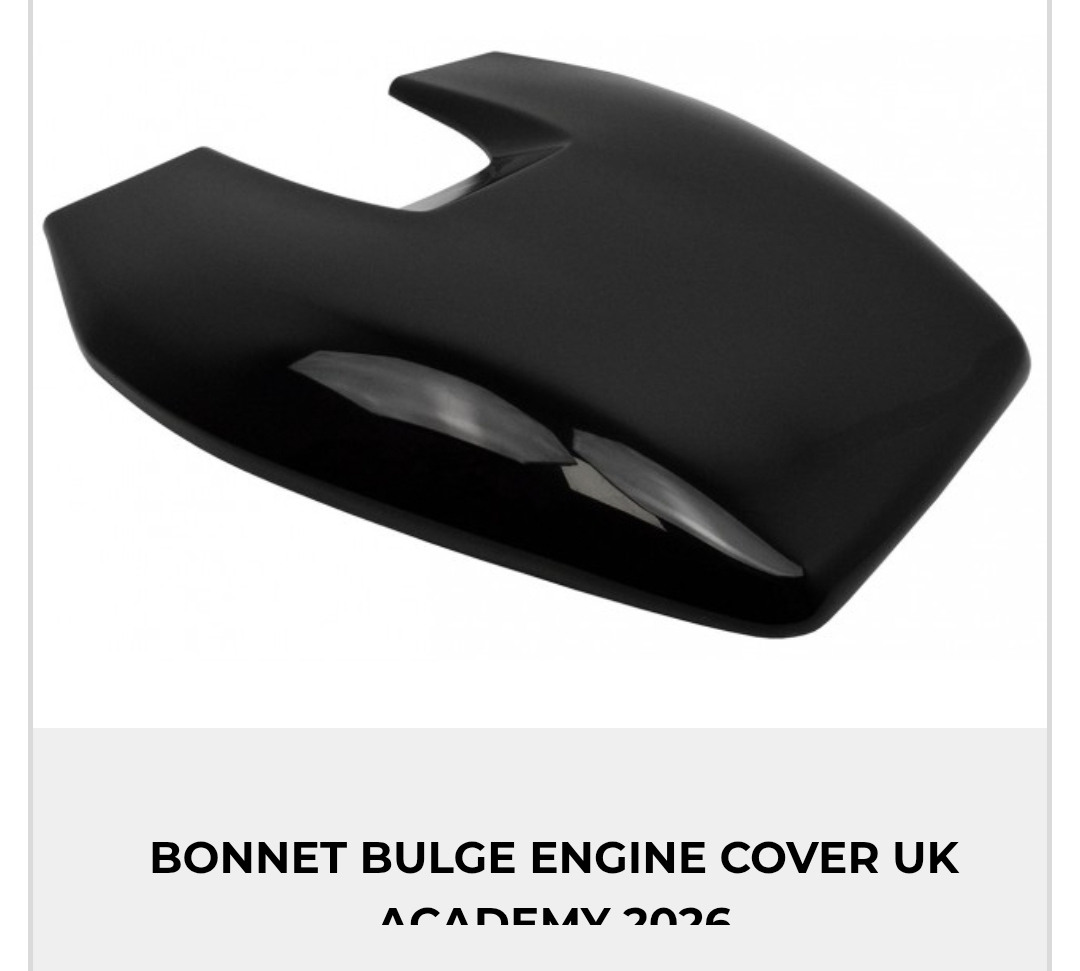
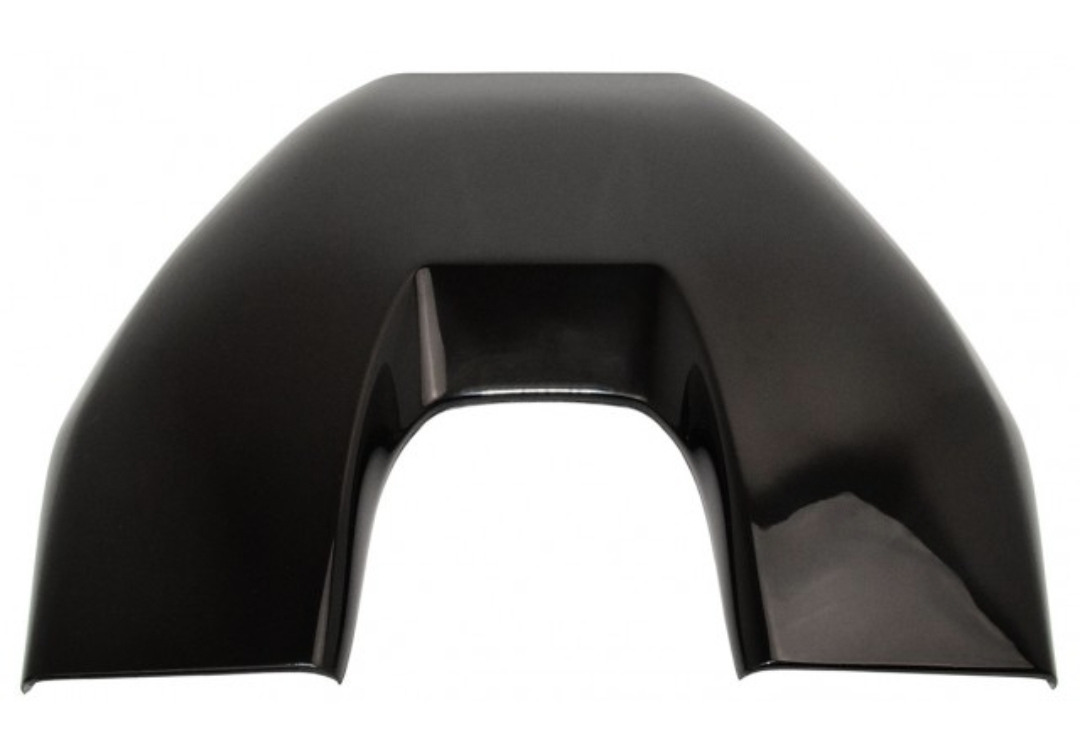
Apparently, Cat has not yet found a way to neatly tuck the Horse ICE into the 7... properly. In my purist opion. Comments? Images: https://caterhamparts.co.uk/ On the Caterham UK forum, there is a member "wgm20" who has posted pictures of his purple people eater purple bonnet all pretty and painted. But I will not risk raising any cackle by linking it here.

-
Still in Brooksville?
-

Creating a Carpet Set for an Early Caterham Seven?
IamScotticus replied to Razomatic's topic in General Sevens Discussion
I would say try to avoid glue. it's messy and hard to remove later. could be flammable. I glued my tunnel carpet on, and looking at the shifter repositioning I need, lm now regretting the glue. nothing a gallon of aircraft remover can't handle. I'll add, as a rule, anything you do to a 7 today, will likely be something you or the next owner will want to un-do or re-do in the future. A little more forethought in any project will have its benefits later. I'm talking to myself here, not patronizing anyone. -
Creating a Carpet Set for an Early Caterham Seven?
IamScotticus replied to Razomatic's topic in General Sevens Discussion
what is interesting is, before the outings began, there were swarms at the HDs, but not at the Lowe's. there are as many Lowe's as HDs . you had to be there. -
Creating a Carpet Set for an Early Caterham Seven?
IamScotticus replied to Razomatic's topic in General Sevens Discussion
For floor mats, Ive gone to the Hombre Depot and cut pieces from rubber backed felt outdoor floor mat. has good weight that stays put. it takes some big shears to cut it, but you probably need a new pair anyway. -
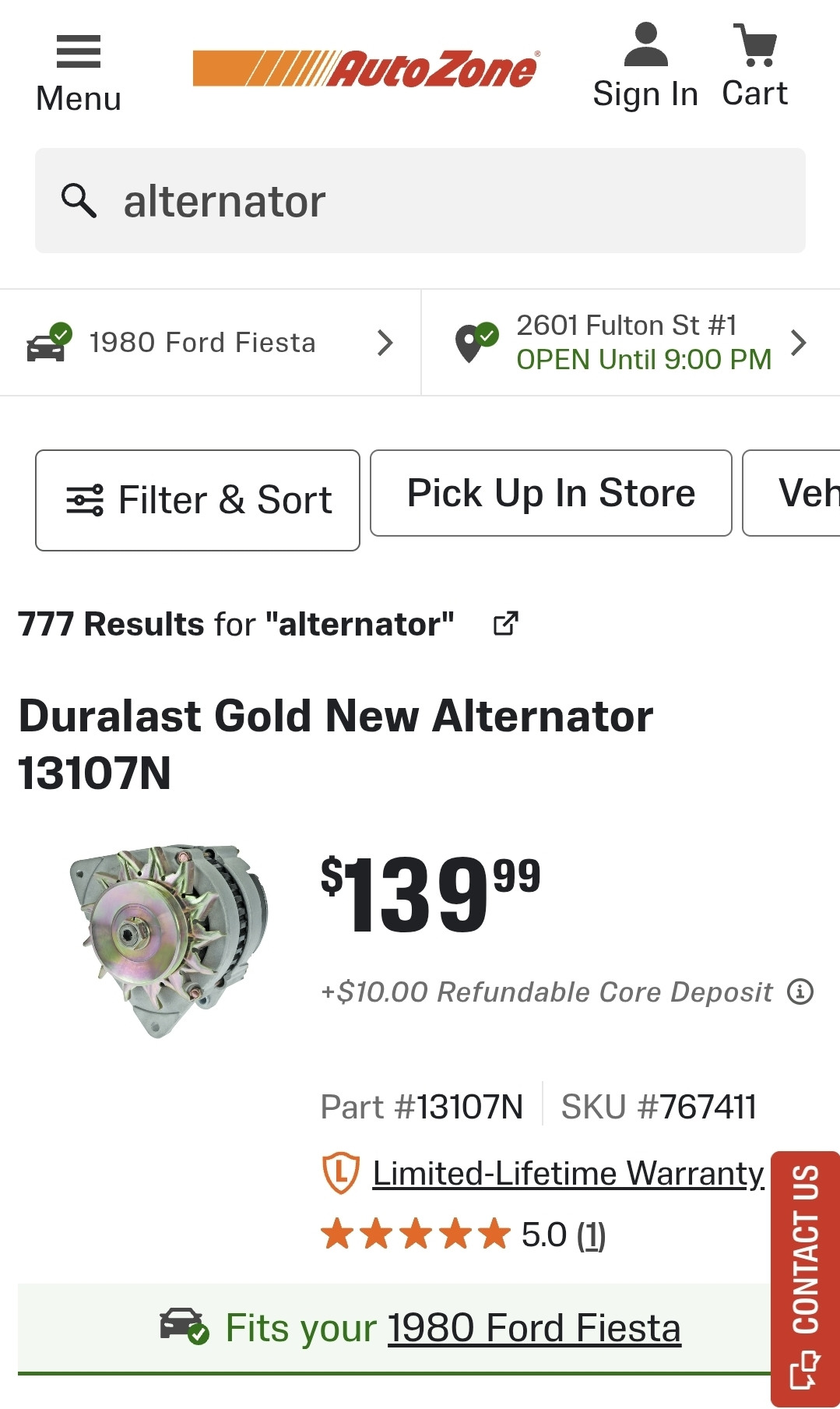
maybe a cracked alt lower mount ear.
-
the shield is never straight and adds to a perception of misalignment. or maybe lawnmower guy tightened TF out of it. put a straight edge on the pulley faces.
-
consider upholstery materials used for outdoor furniture, boat seats and canvas, and other period cars. I will try to find something. for a white car, I'm thinking black piping is good.
-
Factory tour and got to visit my car.
IamScotticus replied to Exarkun1178's topic in General Sevens Discussion
Looks right, for a Cat.
-
Factory tour and got to visit my car.
IamScotticus replied to Exarkun1178's topic in General Sevens Discussion
It will shrink to fit. And continue to shrink. -
Factory tour and got to visit my car.
IamScotticus replied to Exarkun1178's topic in General Sevens Discussion
see what you get with people and a full tank in it. if the fender is centered with the chassis arch, there shouldn't be any error. FWIW, Cat typically builds in a swing arc that places the axle centers very forward. At this point, I'd say there's not a problem. Also the dampers could be set high for shipping. Wen u get it home, do a full load suspension height reset. Which is a question, does Cat tighten the suspension bolts or leave that for the end customer? At this point, as your 7 familiarity develops, you will see the small details most people don't notice. Although your car is very customized, it's built on a standard set of patterns Cat has made thousands of 7s on. It's very unlikely anything is out of place here. But you should have clams. Just sayin'. -
right. CSR and SV
-
I think Roti were made a little wider than Cat-Loti
-
well, don't forget all the white piping!
-
what are the tunnel to side panel widths?
-
is there an instrument panel? How is Arch covering the red inside panels? Paint? Powder coat?
-
https://www.robush.com/products/bush/
-
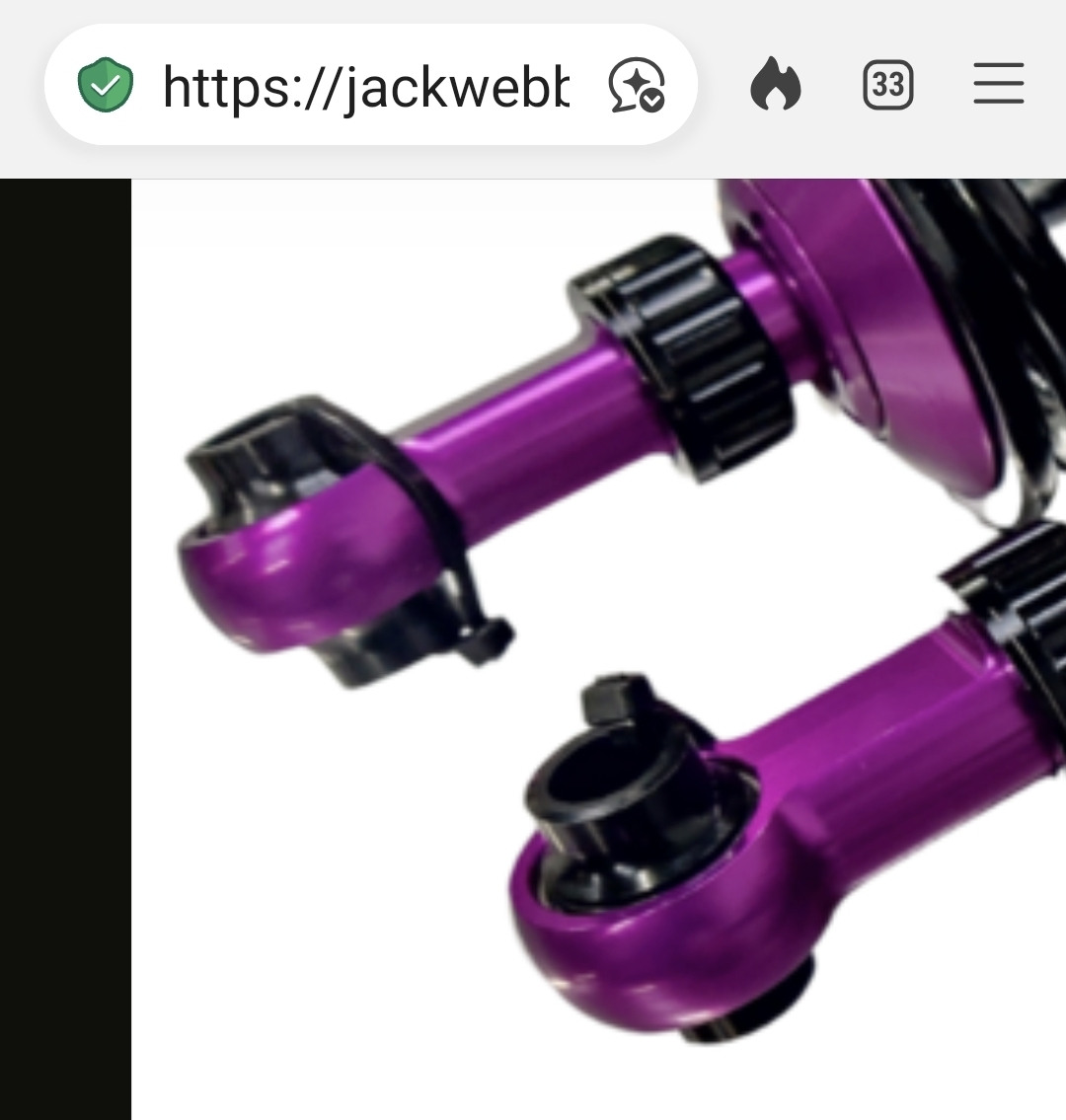
some fine fellows at Jack Webb, They know this stuff as they specialize in LA Sevens, and have the best dampers $$$. although I'm sure adjustable SPAX G978 or GAZ GP6-2037 will do. however I believe what Webb and others have found to benefit the LA rhe most is are spherical bearings on the lower damper mounts. this will go a long way in keeping the bampers straight and not rubbing on the springs. to replace the bushes on your dampers you have to press out the bushes and replace. I think the efforts are better rewarded with sphericals spaced with nylon bushes. gawd....I'm starting to sound like MV8....omg. but he did have good contributions. Anyway, here is a closeup of what JWM is doing. you can see the sphericals encased in the lower stems, wirh spacer sleeves held by zip-ties. https://jackwebbmotorsport.co.uk/Caterham-Quantum-One-Zero-by-JWM-Road-Track-Live-Axle-Calibration-p613809851
-
please remind us what displacement and compression?
-
Will you baffle the case? They are walls at the entrances of the tubes to keep oil from collecting at the ends during extended cornering, unless your end bearings are case oil lubricated, but I don't think that is common. Another mod is to tap in grease zerks to feed the outter bearings, if they are grease lubricated. This may involve making a hole into the bearing race. I don't know the particulars of doing this, but it will simplify maintenance.
-
I copy info I find on the net, use at your own risk. Some of this may be incorrect. But I try. I have not seen a complete list of the donor vehicles. BUSHES GENERAL ********************** Y16 (tapered)Front Suspension Link Bush AUSTIN FROGEYE SPRITE MG MIDGET & 3000 equiv: MRM220 03471R MGB AH SPRITE MK3 AH 3000 MK3 AH SPRITE MK4 CROSS REF: 2A4027 2A4163 330-520 88G274 Rover 88G274 Length: 17mm Wide end diameter: 29mm Narrow end diameter: 23mm Centre hole diameter: 12mm Fitment to wishbones and anti roll bar (8 per car) MOSS pn 330-520 *********************** Y9 (Tapered)Control/Trailing Arm Bush EAN# 5016593126077 Cross Ref: Rover 8G621 281-405 MG Midget 1/64-12/79 MG MGC/GT 1/67-9/69 MGB all TAXI FX4 1/59-12/89 TAXI FX4R 1/82-12/85 ROVER A60 CAMBRIDGE 1/62-10/69 AUSTIN HEALEY BN 1&2 53-56 BN 4&6 SPRITE MK3 3/64-10/66 SPRITE MK4 3/66-10/71 3000 MK3 3/64-10/71 Length: 23mm Wide end diameter: 29mm Narrow end diameter: 23mm Centre hole diameter: 12mm Fitment to wishbones and anti roll bar (8 per car) MOSS pn 282-305 ************************* 636 (B636/2) Length : 3.5mm (1 3/8") Total diameter : 2.7mm (1 1/16") Opening diameter : 1.3mm (1/2") ************************** B636/2 Short (S636/2A) Internal diameter: 13mm External diameter: 27mm Length: 26mm ********************* B6362 Short (B*636/2A) Internal diameter: 13mm External diameter: 27mm Length: 26mm *same as S636/2A with a "B". Typo?) ************************** RB636/2 Wishbone, A frame, Radius arm Internal diameter: 12mm External diameter: 27mm Length: 34mm **************************** BP636/2 Top Link Peened Length : 3.5mm (1 3/8") Total diameter : 2.9mm (1 1/8") Opening diameter : 1.3mm (1/2") ***************************** E2030 Radius Arm Small Length: 31mm Centre hole diameter: 9mm Outer diameter: 19mm ***************************** E2030 Short (S2030A) Length: 26mm Centre hole diameter: 10mm Outer diameter: 19mm ***************************** Bush Eyelet Front (E4-B46-608C) 35MM ***************************** Steering Column Bush (B8466) ***************************** Caterham suspension Bush Kit Live Axle (BU03K) ****************************
-
yes, but then, are we really concerned about that in a 7? lol
-
I knew that. I believe if you angled those wings out more, they are more effective.
-
are "wind wings" a thing available for sale somewhere?
-
Keep it. It makes a good bumper. Maybe not a good bumper, but at least a sacrificial tube structure.