JohnCh
-
Posts
3,406 -
Joined
-
Last visited
Content Type
Profiles
Forums
Store
Articles
Gallery
Events
Library
Everything posted by JohnCh
-
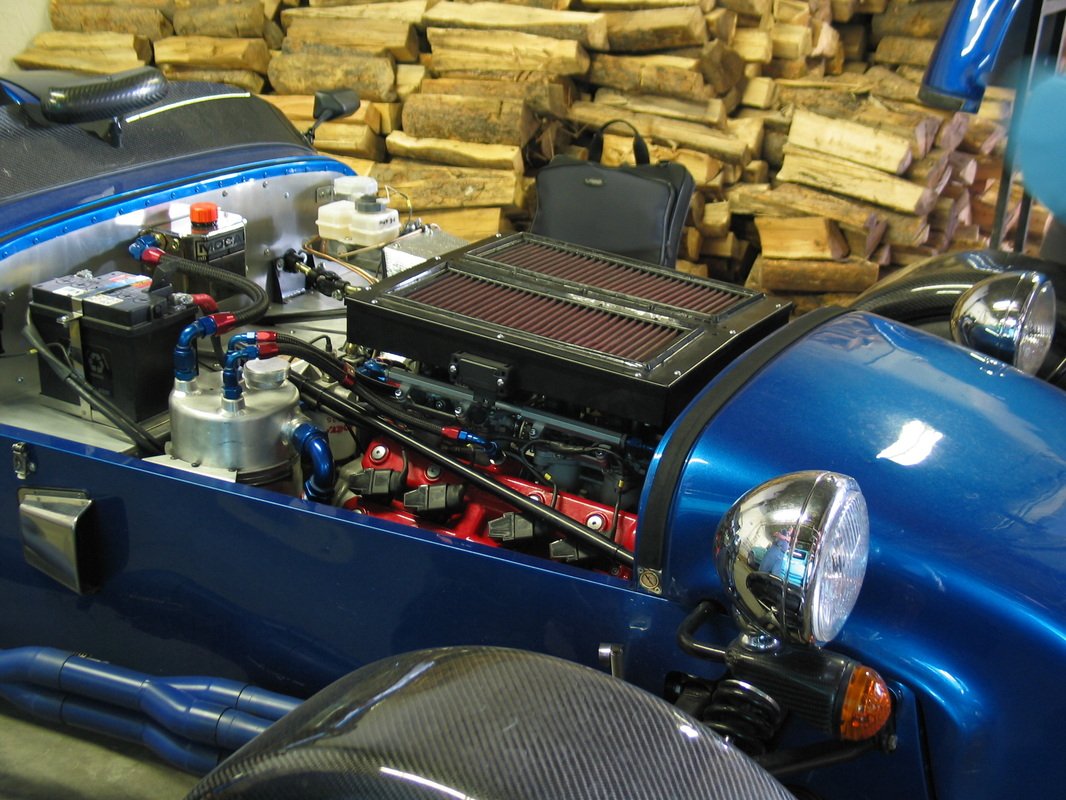
No, the blue car pictured was fitted with a 2.4L RST V8. As mentioned earlier, it uses Yamaha 5-valve heads vs. the Hartley's Hayabusa heads. Similar in concept, just as nuts, and sounds just as fantastic, but not the same.
-
As I recall these were custom blocks with 5 valve Yamaha motorcycle heads. The engine was used in special versions of the Levante, Ariel Atom, and the Radical and available as a crate engine in the day. There was a 2.0L, 2.4L, and a supercharged variants and it was stupidly light. 200lb? Hartley did (does?) something similar, although I believe he built them around Hayabusa heads.
-
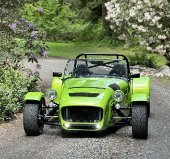
Someone on the USA2005 tour had Caterham fitted with this engine. 2.4L, 400hp, 10k rpm. It sounded like a Cosworth DFV whenever he took off. -John

-
Congratulations! Glad to hear it was something simple.
-

So, tell us a little about yourselves
JohnCh replied to slngsht's topic in General Sevens Discussion
Ahem... Welcome @Snowflake !
-
The Regular Summary of Classified Ads of Se7ens Found For Sale
JohnCh replied to Croc's topic in Cars For Sale
I suspect that's a typo. It reads the seller has added 200 miles since acquiring the car in 2011. Mileage claimed is ~43,800 with an odometer photo showing 43,758. Yet the invoice from Kampena in 2018 lists mileage as 42,992. -
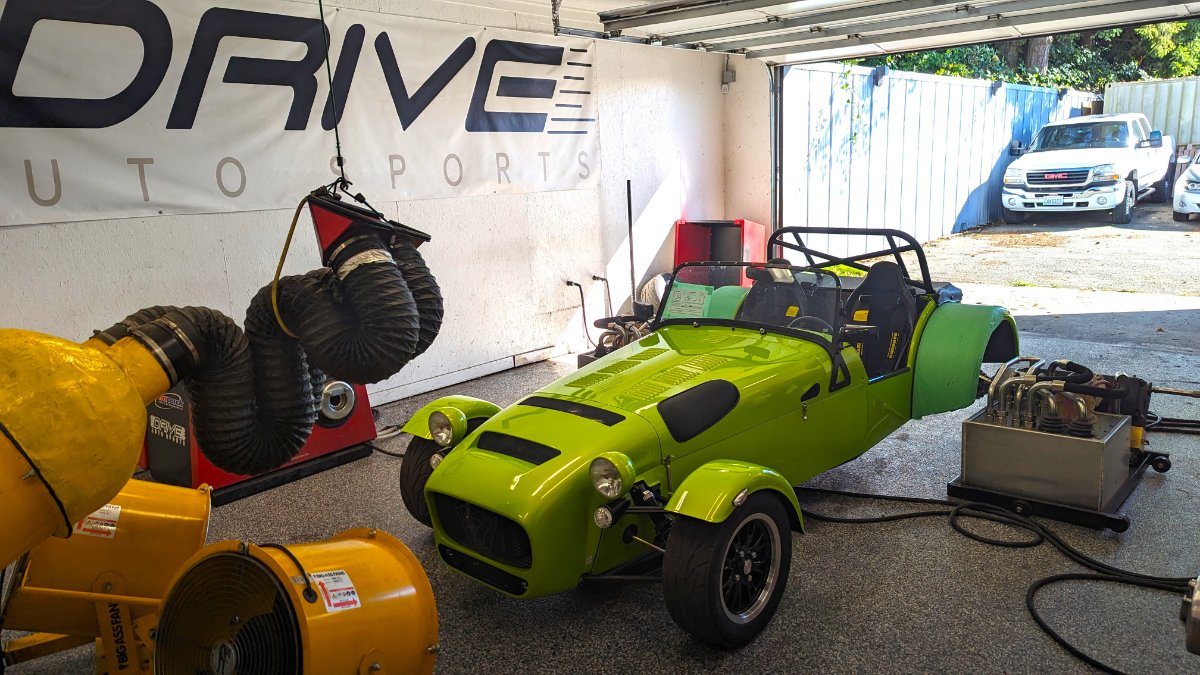
I received permission from Drive Auto Sports to post the video they took of a power sweep. Gotta love the exhaust flames at the end. -John
-
My Driving Impressions, Thoughts and Questions
JohnCh replied to rider's topic in General Sevens Discussion
As per @Vovchandr there is a noticeable difference in size between the SV and S3. You should find an S3 with standard floors and see how that fits. I suspect it will be much better. Below is an overhead shot that illustrates the size difference between the two. Pay particular attention to the interior comparison. It's not subtle. The shifter height in relationship to the dash bottom doesn't bother me at all. I quickly adjusted to moving my hand forward to rest on the gear knob rather than drop it on from overhead. My gripe with location is it's a little further forward than ideal for me given the steering wheel location. But again, it's something you quickly get used to after driving for a bit. -John -
Agree. I'd prefer something like these 917 inspired key blanks:
-
Just order a new car and they'll give you two for free!
-
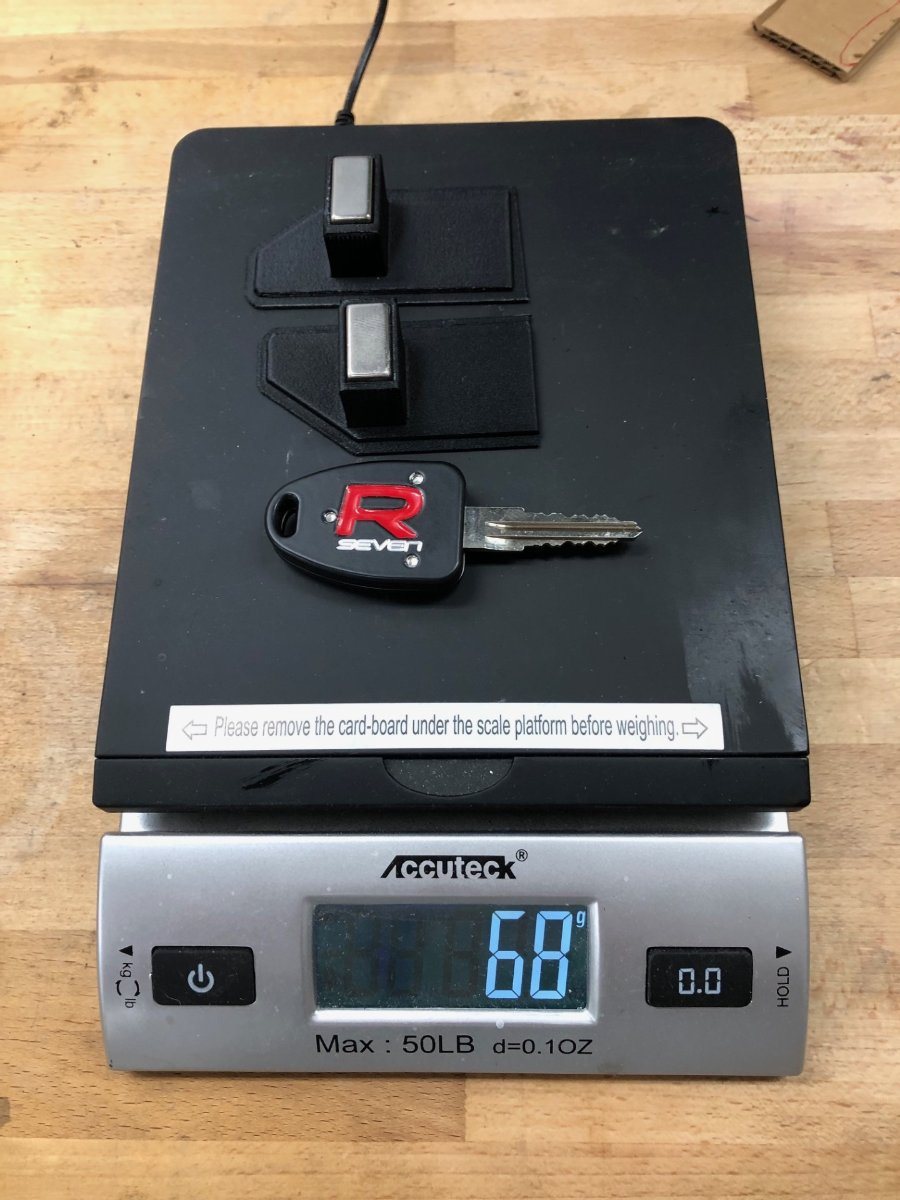
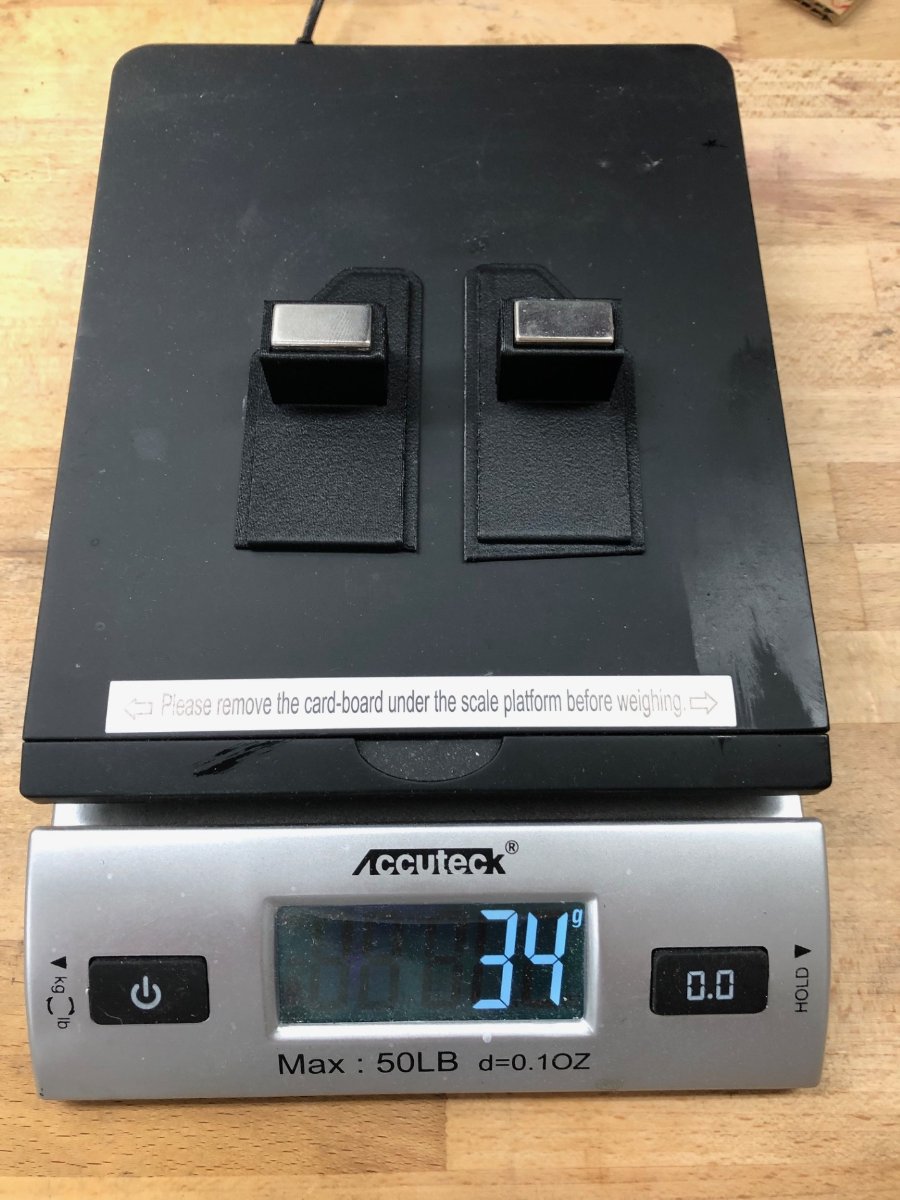
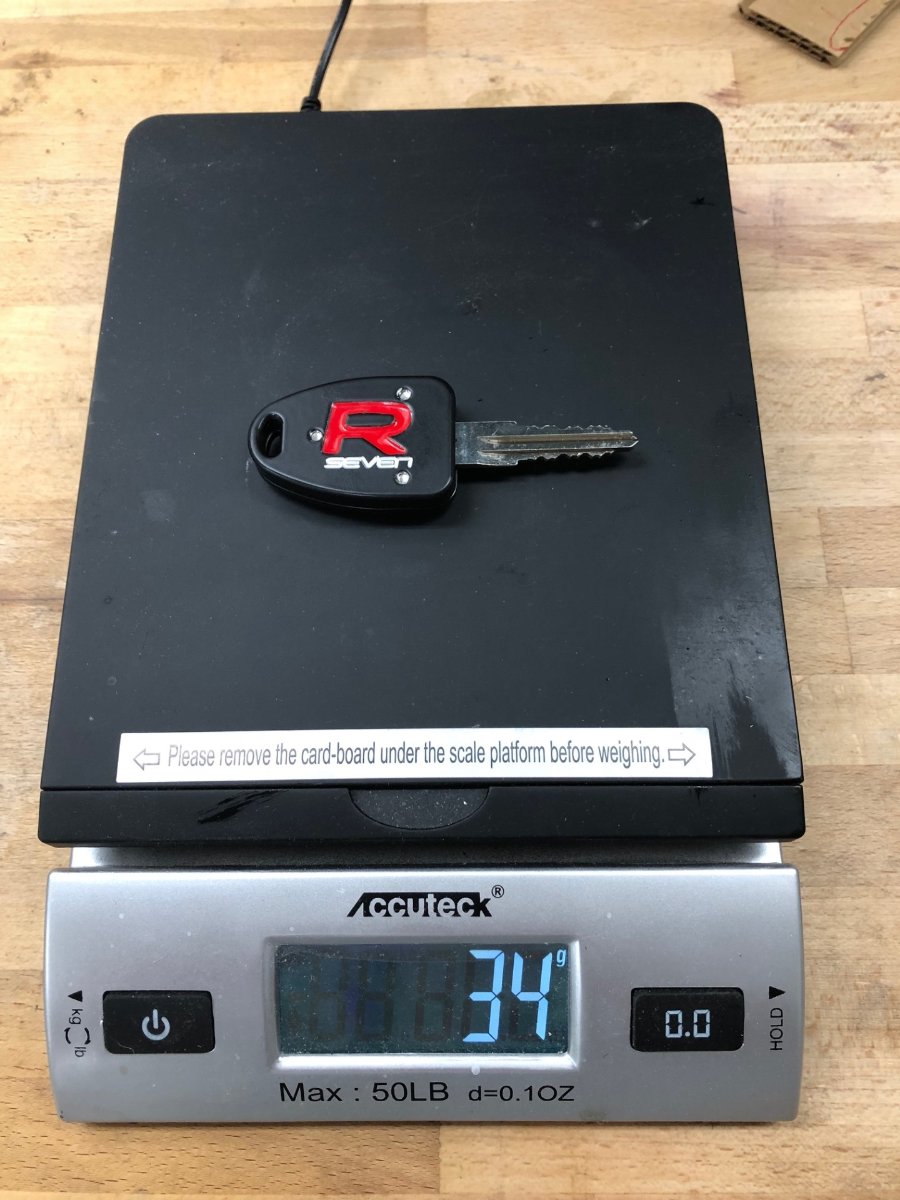
To put the weight in perspective: And yes, I was surprised the weight was identical. I even put them on the scale together to make sure the scale wasn't broken. -John
-
I have heated seats. If you don't make fun of me for that, I'll ignore your carpeting. Deal?
-
A simpler way to do it is cut out a piece of aluminum, spray paint it black to match the panel, and if you don't want fasteners, adhere it in place with silicone. It's a lot more trouble to remove, but that should be a rarity. If you want to get fancy, make a buck out of an old 2x4 that's a bit smaller than the cover, then gently hammer over the edges a bit (20-30 deg angle). That gives the cover a more finished look and provides some space for the silicone.
-
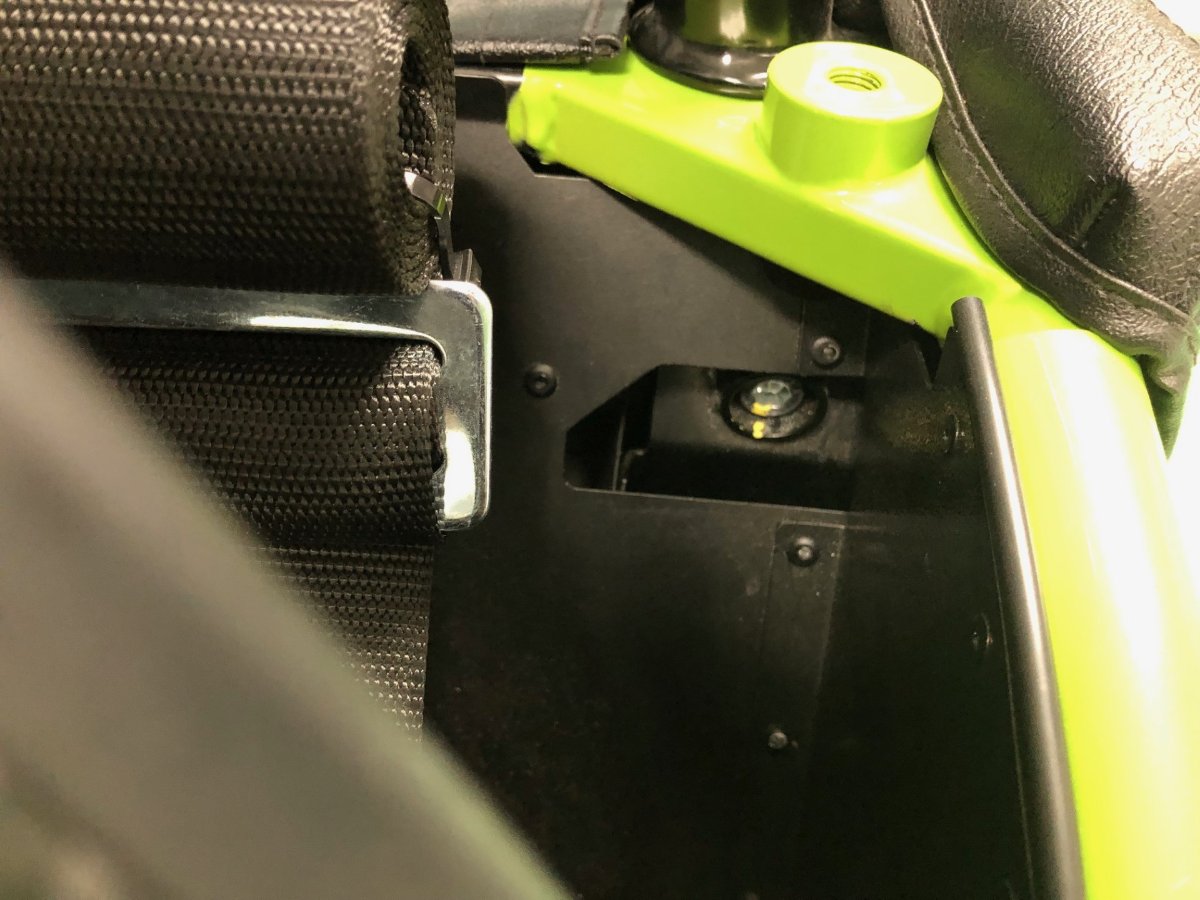
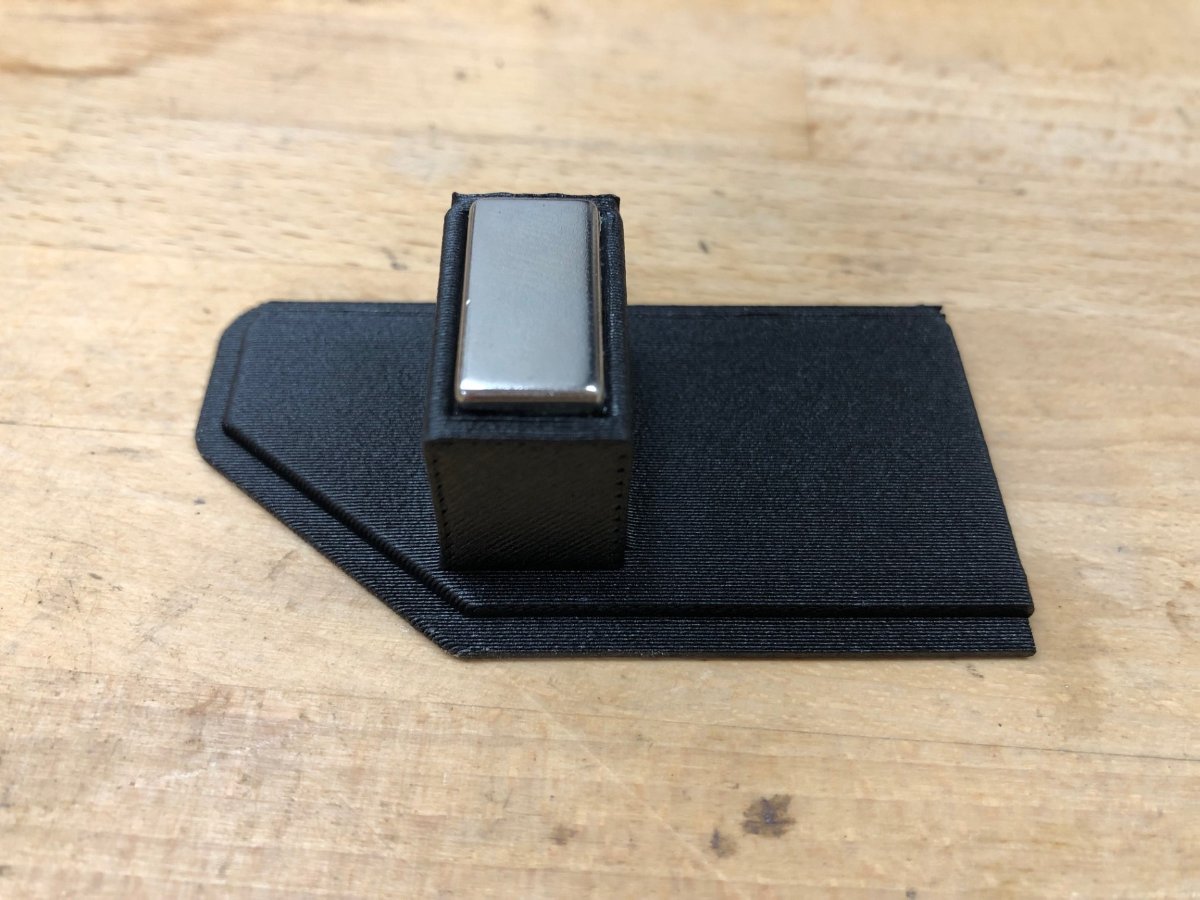
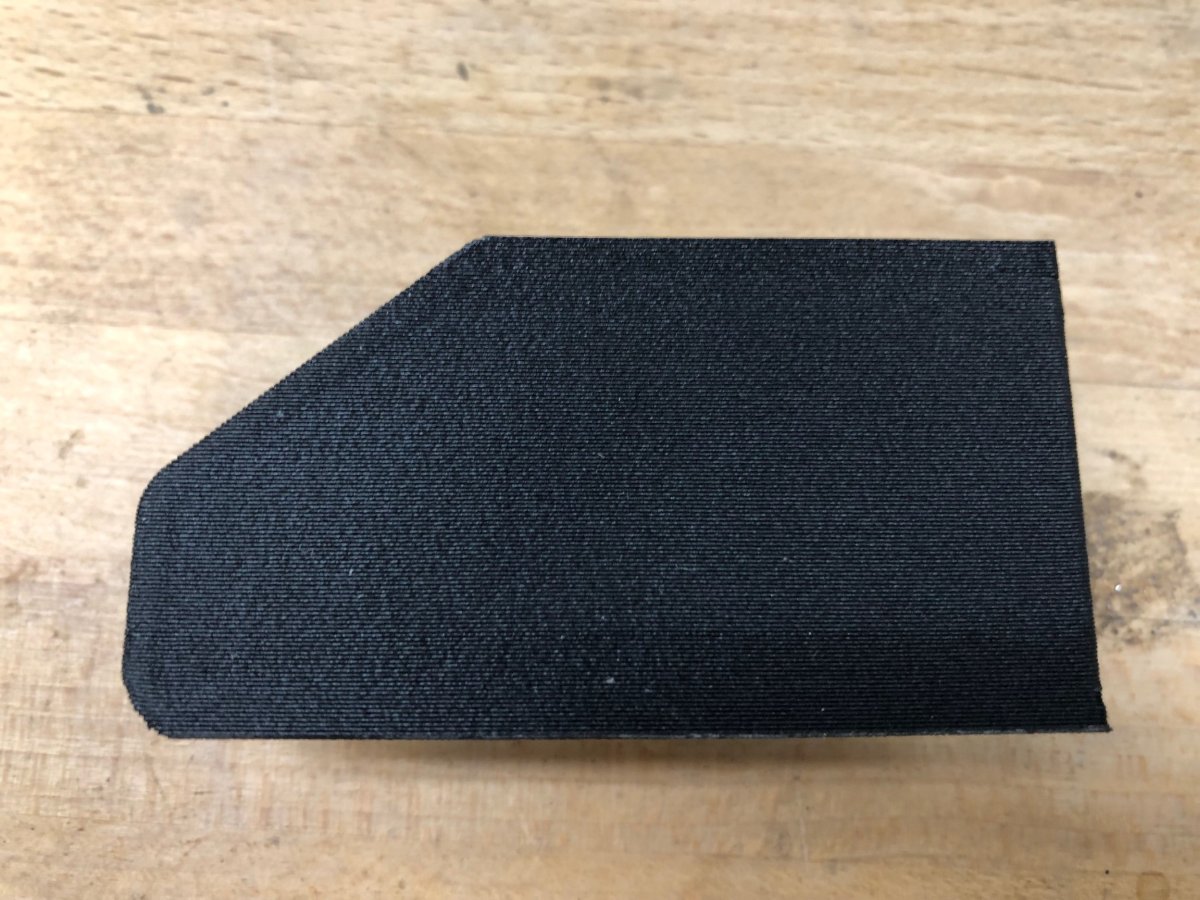
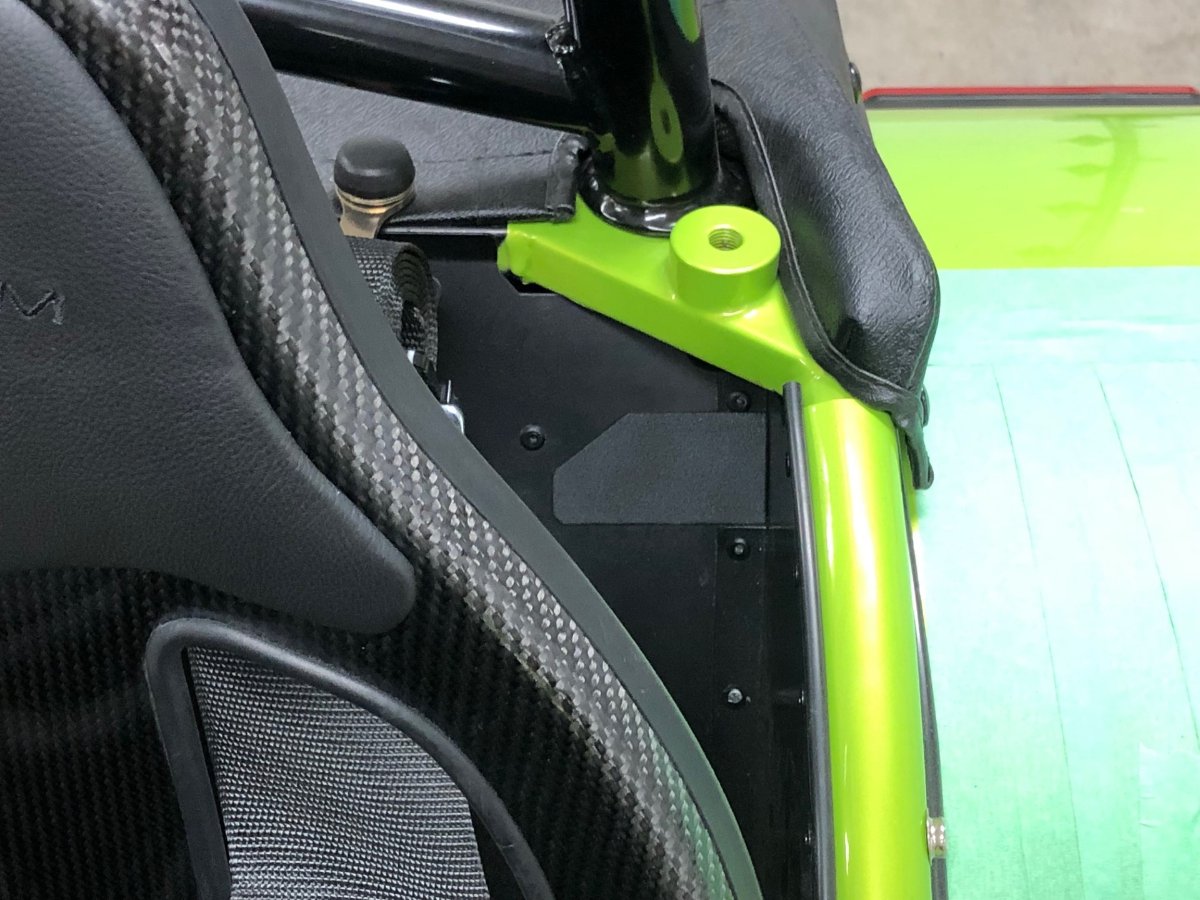
The R-pack cars don't come with carpeting on the rear bulkhead, which unfortunately exposes the cutouts to access the upper damper bolts. It looks a bit unfinished to my eyes, but I didn't want to drill more holes to affix aluminum cover plates. So once again, I pulled out the 3D printer. A Neodymium magnet is glued to the print and affixes it tightly to the chassis. For some reason though, printing it flat was resulting in some discoloration I haven't seen before with this build plate and filament combination. Not sure what's going on, but to keep the surface color uniform, I had to print it on its side which resulted in a little elephant's foot, but you have to look closely to see it. The cover is easy to remove, stays in place, and requires no holes. Not as inconspicuous as a piece of black painted aluminum, but I'll take that tradeoff. I also discovered these really are hand-built cars. The cover for the passenger side had to be shaped slightly differently to avoid a gap on the lower left corner. Mirror imaged they ain't. -John
-
Not at the price I would need to charge
-
The crate engine, air box, ECU, dash, gauges, switches, dampers, factory fuel system, etc. Anyone want to build a car from my leftovers? I did a little fettling today then took the car out. Temps were still cool and the notorious oil over-cooling on these cars was present. As a result, I never took it over about 4500rpm but the engine felt good. I also seemed to really begin pulling strongly at part throttle at 4000rpm. To temporarily address the cold oil temps, I fabricated a simple block off plate out of thin aluminum. The clamping force is strong enough that it doesn't move once in place, and it is inset a bit, which results in the end caps preventing lateral movement. A couple of zip ties should ensure it doesn't vibrate off. I consider this V1, and suspect I'll make it to V3 or V4 before I'm satisfied. -John
-
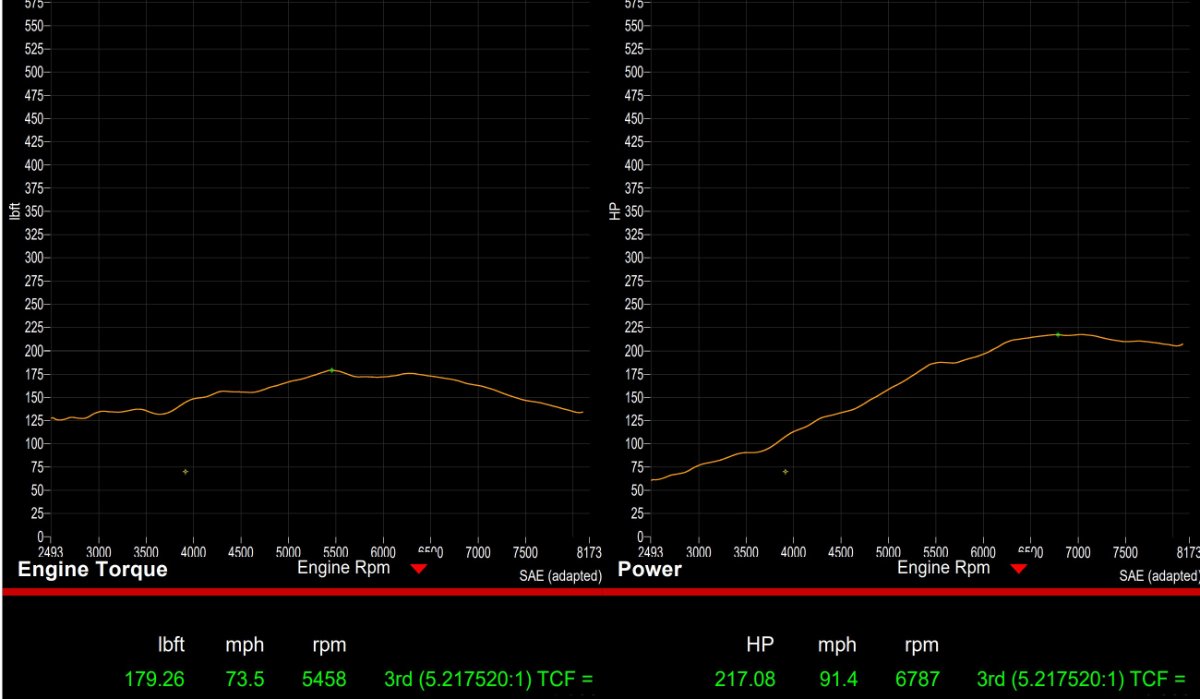
I picked up the car from the dyno this afternoon. It was a day later than expected, and as a result, my alignment appointment has been bumped to Monday. The dyno shop was very, very good. They went over the car in great detail, took pictures of everything they found (lots of little oil leaks that I missed), and kept great notes both on my expectations/instructions and their findings during the inspection. Attention to detail is very strong with them. If you are in the Seattle area, I highly recommend Drive Auto Sports in Everett. As mentioned previously, in theory this engine should be good for > 270hp at the crank, but with the stock 420 exhaust, which is undersized for this engine, the expectation was 250-260hp. If you assume a 15% loss, backing out the wheel hp reveals 255hp at the crank. Pretty much spot on to expectations. The ride home was uneventful but was far from traffic free. Consequently, I never had an opportunity to stretch the engine's legs and can't yet comment on how it feels or if the power level is good enough for now or if I'll want to pursue a larger exhaust over the winter and find another 15-20hp. I hope to get a better idea this weekend. -John
-
Someone suggested to use this Bosch sensor calibration. https://www.bosch-motorsport.com/content/downloads/Raceparts/Resources/pdf/Data Sheet_70101387_Temperature_Sensor_NTC_M12.pdf . I went with the RaceStudio suggestion of 2700 ohms for the pull-up resistor. I haven't yet confirmed the accuracy at operating temps, but measuring the oil in the dry sump tank with an infrared temperature sensor showed the dash reading was only off by about 4C with the temps in the low 60C range.
-
The advantage of this approach is that if you later opt for #1, you will already have the induction set up in place. The big decision is Roller Barrels or Throttle Bodies. TBs are a lot cheaper ($1500 - $2000 vs. >$5000) but they aren't necessarily a straight bolt-on and they don't have the same cachet of RBs at resale time. It might be worth a call to Raceline and speak to Peter (call the tech line) to get his thoughts and the latest on pricing. They use the Jenveys which work very well. If you do decide to go that route, ping me offline and I can walk you through some things at order time to save a few headaches. -John
-
The Regular Summary of Classified Ads of Se7ens Found For Sale
JohnCh replied to Croc's topic in Cars For Sale
No issues. Superformance was making their highly regarded Cobra replica for many years before introducing the S1. It is more civilized than most other se7ens, with luxuries like opening windows, and a real windshield. Depending on your perspective, that can be either a good thing or a bad thing. However, I've yet to hear an S1 owner say anything negative about their car. -
I had my appointment with SBD on Wednesday. Steve was helpful but unfortunately he was having connectivity issues on his side that impacted some of the session. However, I did get some questions answered and some changes made to the map. The ECU now controls my heated seats. I haven't yet confirmed they work, but according to the ECU it is switching the relay when the engine is running. Idle speed has also been adjusted from the as-delivered setting of 1200rpm to a calmer 1000rpm once operating temperature is reached. He also showed me some shortcuts, that sadly I have already forgotten. When looking at the really rapid TPS spikes I mentioned previously, he posited it's noise from the TPS. The speed site changes were following the changes in TPS voltage and were never spiking to full throttle which is what he would have expected if the sensor wiring was picking up the noise. It doesn't appear to impact drivability but is something I'll continue to watch. When I have time, I'll swap out the TPS for a spare and see if it's any better or worse. I put about 50 miles on the car Saturday with adaptive mapping enabled in an effort to further improve the map for the 30+ mile drive to the dyno this morning. That drive went well. It will stay at the dyno facility for a few days to dial things in. The hope is that it will be ready for pick up on Thursday morning, then it's off to Beachman Racing Friday morning for the alignment and to get the list of things I did wrong during the build. After dropping off the car at the dyno, I Ubered to a licensing office in that same city said to be familiar with the registration process. They were. In about 10 minutes I had plates! -John
-
Effective wind deflector/buffeting reduction?
JohnCh replied to Cueball1's topic in General Sevens Discussion
That's the key. It's also about the speeds you drive for any length of time as the buffeting ramps up the faster you go. You may find it's incredibly annoying at freeway speeds, but entirely acceptable at the sustained speeds you normally drive the car. -John -
Effective wind deflector/buffeting reduction?
JohnCh replied to Cueball1's topic in General Sevens Discussion
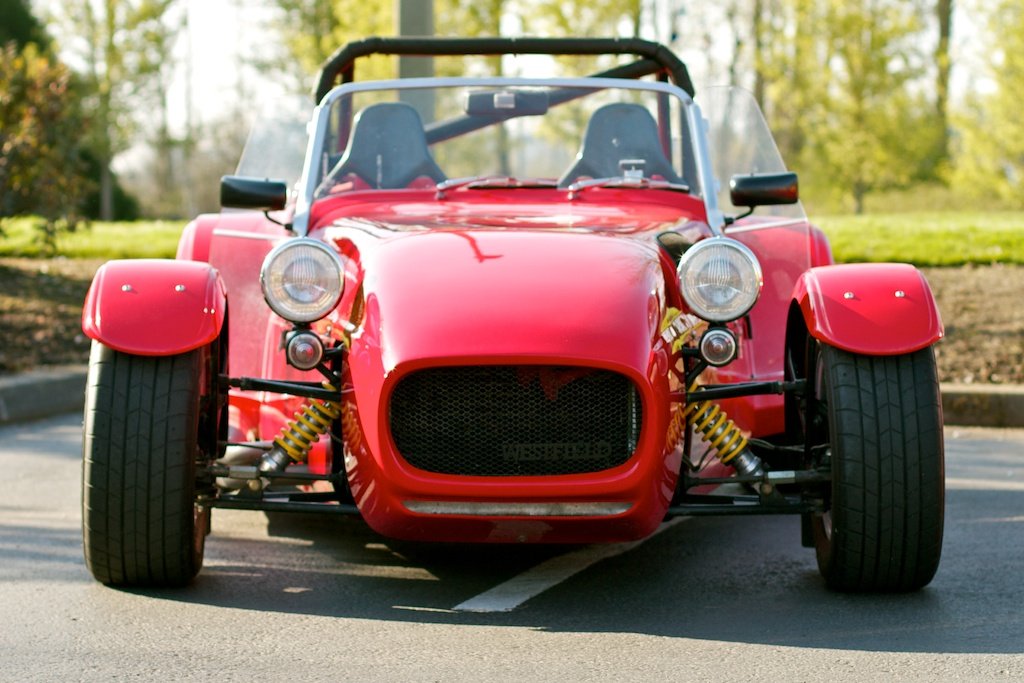
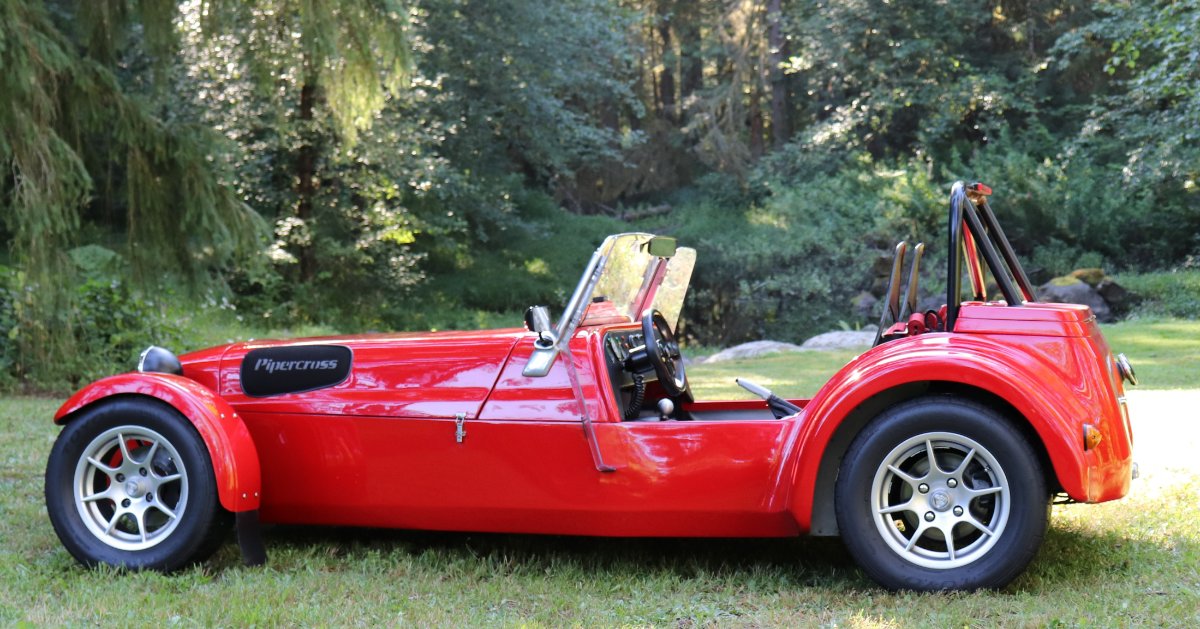
I experimented with this quite a bit on my Westfield prior to the USA2005 tour. The key was angle and length. These two photos show both: Ugly? Yes. Even worse aerodynamics? Yes. Effective? Absolutely. With the wind wings in place, turbulence is significantly reduced. Much closer to running with side curtains than to running without. A caveat is that each type of se7en is different. In my experience, the Westfield without wind wings is equivalent to a Caterham S3 with standard floors. However, a Caterham SV with lowered floors is a bit better. If you want to go down this route, my suggestion is to make mockups from wood (I used 1/8" hardboard and sections of 2x4) and find the angle and length that work best for your particular car. Once I had the final combo, I supplied that wood template to a shop that does Plexiglas work and had them cut and bend them from polycarbonate to match. -John
-
I took a look in an exhaust port of my uninstalled 420 engine, and it appears to match SBD's photos of the high-port head with the bump out around the valve guide. -John
-
The Regular Summary of Classified Ads of Se7ens Found For Sale
JohnCh replied to Croc's topic in Cars For Sale
I think someone should consider switching to decaf