
IamScotticus
-
Posts
2,309 -
Joined
-
Last visited
Content Type
Profiles
Forums
Store
Articles
Gallery
Events
Library
Everything posted by IamScotticus
-
What many "essential" (law enforcement) employees who are required to report to duty, during a lapse of funding, learned then was they got all the backpay even if they were AWOL during the lapse. This isn't a good time to have a payment problem for Border Patrol and Customs while the southern border is getting bum rushed. The cattle call is loud and clear. Come and get fed.
-
Really wanting to be rid of the speedo cable, drive gears, adapters, etc. So the VDO must go. There are some speedos that work with a variety of inputs, hall effect, proximity, GPS, etc. Leaning towards Racetech because, I like green. It seems to be a decent unit with options. But Im not finding much technical info available for it. Wanting combo sub guages to have an extra hole for an AFR. Only downside to Racetech is I don't see an electric oil pressure guage in the set, just tube type. If that is a negative. Still have time to shop. Any suggestions?
-
@61Elite3THAT is a fine 7
-
The removing of axles and pumpkin don't require special tools and come out without too much effort. Its the disassembling of those sub assemblies, like bearings from the shafts and changing pinion, crown gears and differentials, that require the special tools. You shouldn't have to do any breakdown for a refresh and bearing greasing. If the brake cylinders have been sitting for ten years, check those bores for rust. Have a tube of brake grease ready for the reassembly if you get lucky. Get a tube of black silicone sealant for the hub mount and back plate sealing. Theres a neat product , Quick- Glo, for rust removal and polishing. good for spot cleaning and parts like the Park brake rod. It comes in different grits and leaves a protective wax coat.

-
Caterham rocker switch holes are 30mm x 22mm
-
OK, ive seen otherwise. I think it was S1
-
Heh, its on upside-down
-

123 Bluetooth distributor headaches!
IamScotticus replied to 44 AND COUNTING's topic in General Tech
Were you on the exhaust TDC? I have an Aldon Igniter but considering something newer. -
1962 Lotus Seven Differential Problem
IamScotticus replied to TEM's topic in General Sevens Discussion
That looks like a well built axle. If you're lucky, you might have some slosh baffles in there. -
1962 Lotus Seven Differential Problem
IamScotticus replied to TEM's topic in General Sevens Discussion
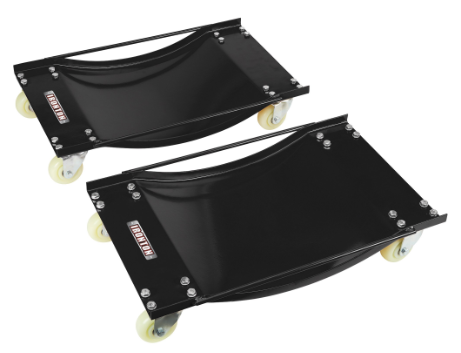
These car dollies are well worth having Get them at Harbor Freight or Northern tool. Important to get THESE type and not the shallow diamond plate kind. The wheels will roll out of the latter.
-
always use a at least a 50/50 mixture of coolant and very clean (distilled) water. Many benefits including rust, corrosion and cavitation scarring inhibitors. The thermostat's opening rate is designed for it and the boiling point is raised so steam wont form during the normal operating range. Had (that guy) just kept his system filled with Dex-cool, he would have been fine long term.
-
1962 Lotus Seven Differential Problem
IamScotticus replied to TEM's topic in General Sevens Discussion
check the whole axle casing for rust, replace outter shaft oil seals, check, refurb replace bearings, pinon seal. etc. No short cuts. Axle should be from a Standard/Triumph 10 if the lug nut pattetn is 3.75". Try looking at Rimmer Bros. or maybe Moss for parts. As well as any fan forums for resources and spares. https://www.uniquecarsandparts.com.au/car_info_standard_ten Almost everything that isn't body and sests on a seven comes from different English cars..knowing the cars and who has the parts is the key. -
Probably just better to get a bake and bath at a engine builder?
-
Id like to drop a recent learning experience here, in case it helps someone. Im fifty-something, had always wrenched on my cars, or something. But not until recently had I ever learned about "Dex-Cool Sludge". In the mid-90's, GM introduced an orange colored coolant that was a longer lasting coolant so they could, in true GM fashion, improve sales by claiming lower ownership costs form less maintenance, etc. Dex-Cool is not a bad coolant as long as the whole system is designed for it, seals, gaskets, etc. The problems arise when one drop of green coolant gets in the mix, and since green coolant has been the standard since, well, cars, there is a lot of it out there for accidents to happen. Now, I wont say who did this, but I know someone who had their crossflow 7 assembled by a good Brit car mechanic, authorized Cat dealer actually, who started with a totally clean and dry bunch of parts and filled the coolant with orange coolant, probably Dex-Cool, but not absolutely. There are other orange coolants out there to add to the confusion. Later, and for no apparent good reason, the owner fills the tank with green coolant, totally oblivious to the consequences (the sludge). Time went on, and before that owner drove the car enough to have any overheating issues, the 7 got laid up for a decade. Eventually, nine years later, he started taking parts off to check things out. The water filler neck and thermostat was totally corroded and clogged with a brown crystalline gunk. He took the water pump off to find it was totally clogged with a hardened gelatinous mass. He took the intake manifold off and found the head water port harboring a stash of white crystalized flakes and nuggets. Fortunately, there wasn't a heater involved. This owner is now realizing that he had mixed coolants and the two incompatible substances had separated and the elements bonded and congealed throughout the system. To just slap on new parts and fire up isn't an option anymore, his engine needs to be completely cleaned out in case the crud was blocking the cooling jacket and head passages. So...If an older engine hasn't beed torn down and cleaned out, especially if it has seen a few different owners, and there are illusive cooling issues being chased, consider the possibility there could be the sludge trapped in it. If there is a flushing chemical that is absolutely effective at dissolving the hardened sludge, that owner would appreciate the tip.
-
that was many moons ago. He's probably in upper management now.
-
any resolution? on the subject of pumping fuel, I did catch a wad of chewing gum in my nozzle before I pumped. The State pump calibration truck had just finished working on my pump when I was the next to use it. the service man/technician/idiot/whatever, was working on the next pump ahead of me. So, being the friendly guy I am, I asked him about his rig and what it was, etc. There was something odd about his demeanor, he seemed nervous and uncomfortable. On a whim, I checked the nozzle and found the gum. I doubt that gum would have been there throughout the calibration process. I check now, every time.
-
GIRLING 74660152 90s Cat MC replacement ideas
IamScotticus replied to IamScotticus's topic in General Tech
Brakes... I think of them the way I think about flying. I think about the landing. I think about all the things, and peoole, that need to work in concert and go right. Not the price, or the baggage fees, or the drinks or food or what group boards first. I just want to arrive alive. Rant alert: So when it comes to this car, yea, some things are excessive for a non tracked car. But a "classic" 7 typically isn't even close to a, say a Porsche you can take off the dealer floor and slay Pikes Peak. In the case of the live axle 7s they were cobbled together with the chespest parts that would fit. Lotus made D'Dion S1s. They could have made all the 7s fully IRS and race spec. But that wasn't the purpose of the 7. The live axles were always a set of compromises and whatever brakes came on them. So, yes, it makes perfect sense to be able to dial in the rear brake bias for whatever one has back there on a 1200 pound car of which only about 600 lbs is on the rear axle, and 100 lbs is the real axle. When they heat up and expand, they start grabbing. This is a known issue. So, large cylinders and a bias it is. Check first with your local Mortor vehicle regulations to see if they are road legal if you need to pass safety inspections road registration. -
GIRLING 74660152 90s Cat MC replacement ideas
IamScotticus replied to IamScotticus's topic in General Tech
delete -
GIRLING 74660152 90s Cat MC replacement ideas
IamScotticus replied to IamScotticus's topic in General Tech
Thanks, Des. This looks like the guys: https://www.powertrackbrakes.co.uk/ Which valve did you go with, and, (sometimes we just find out later), was it really needed? -
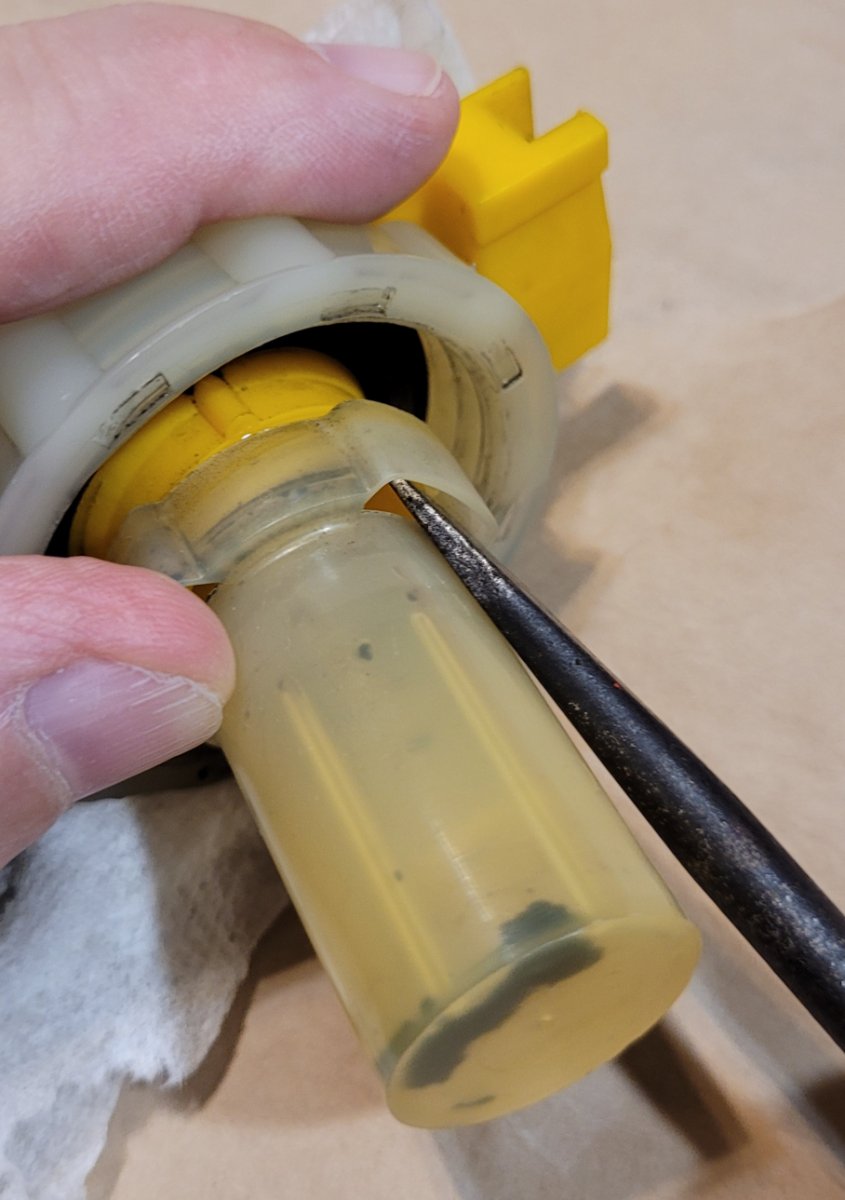
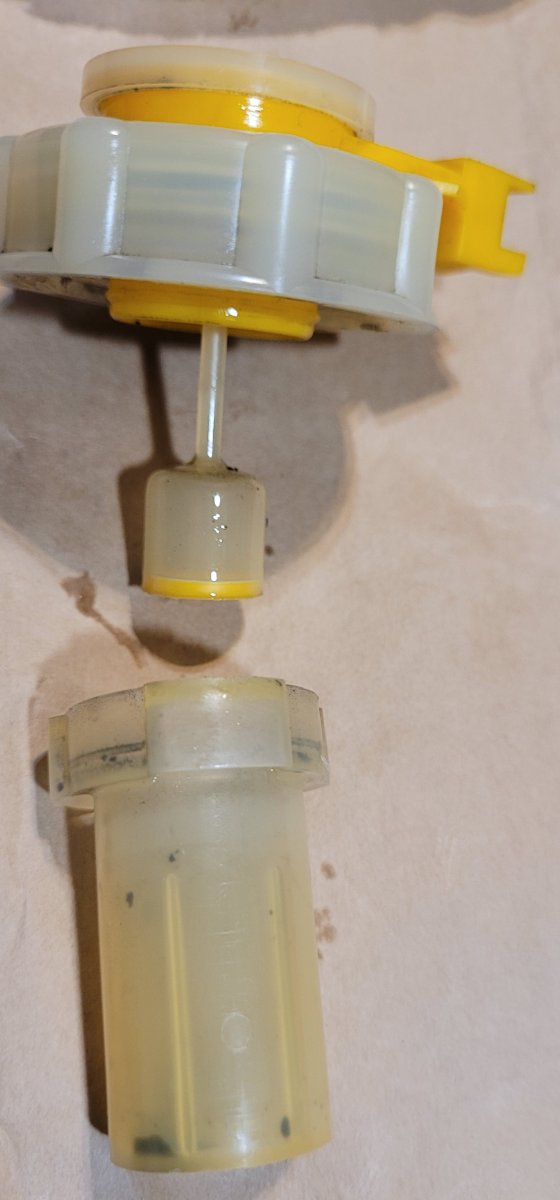
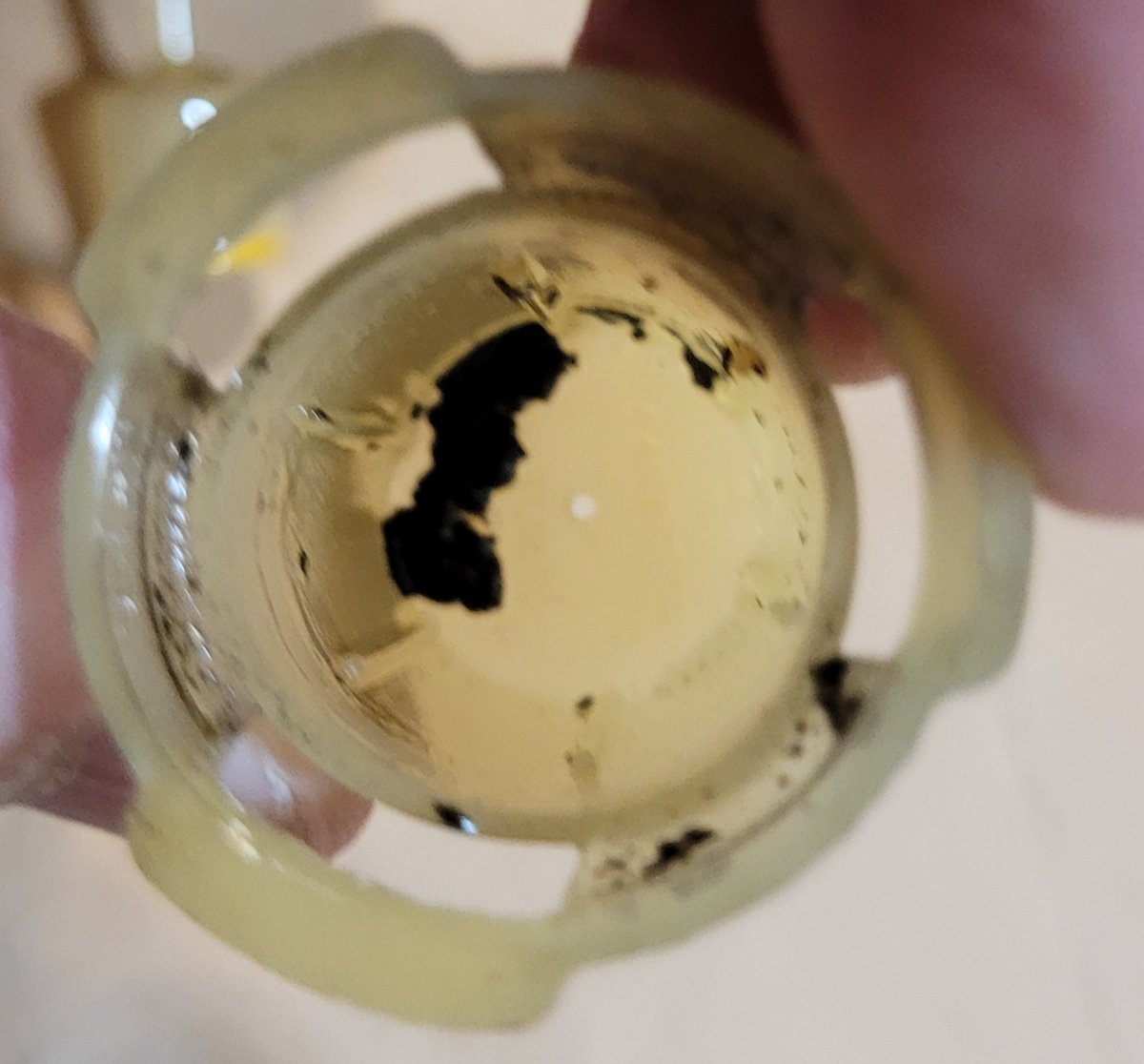
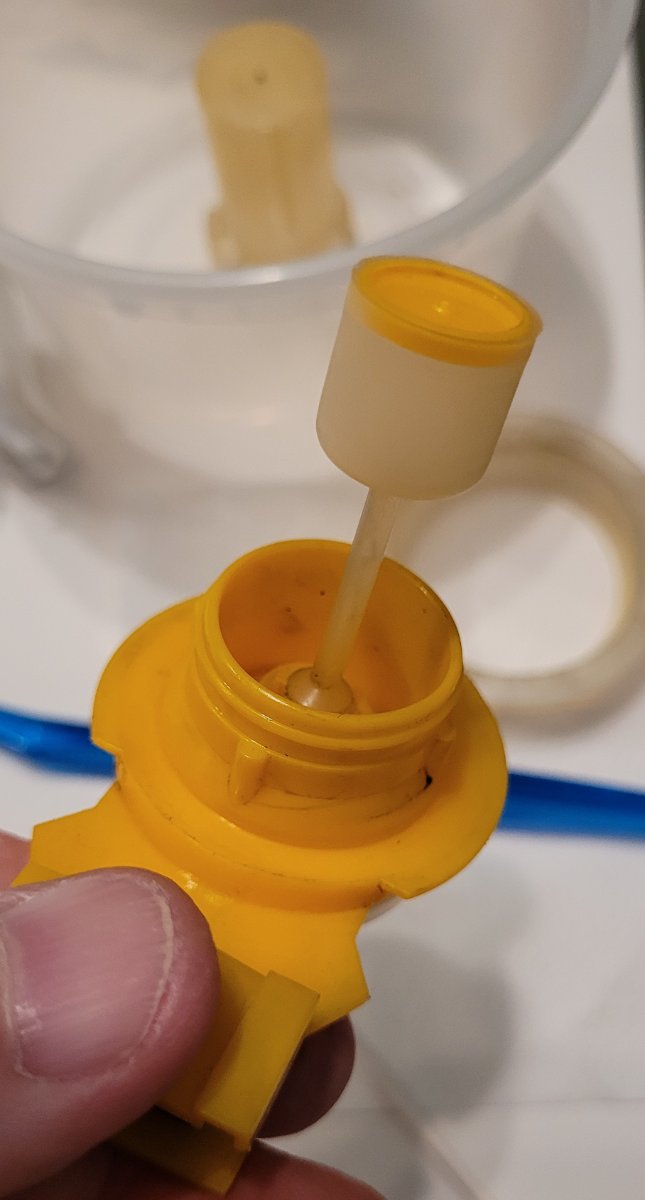
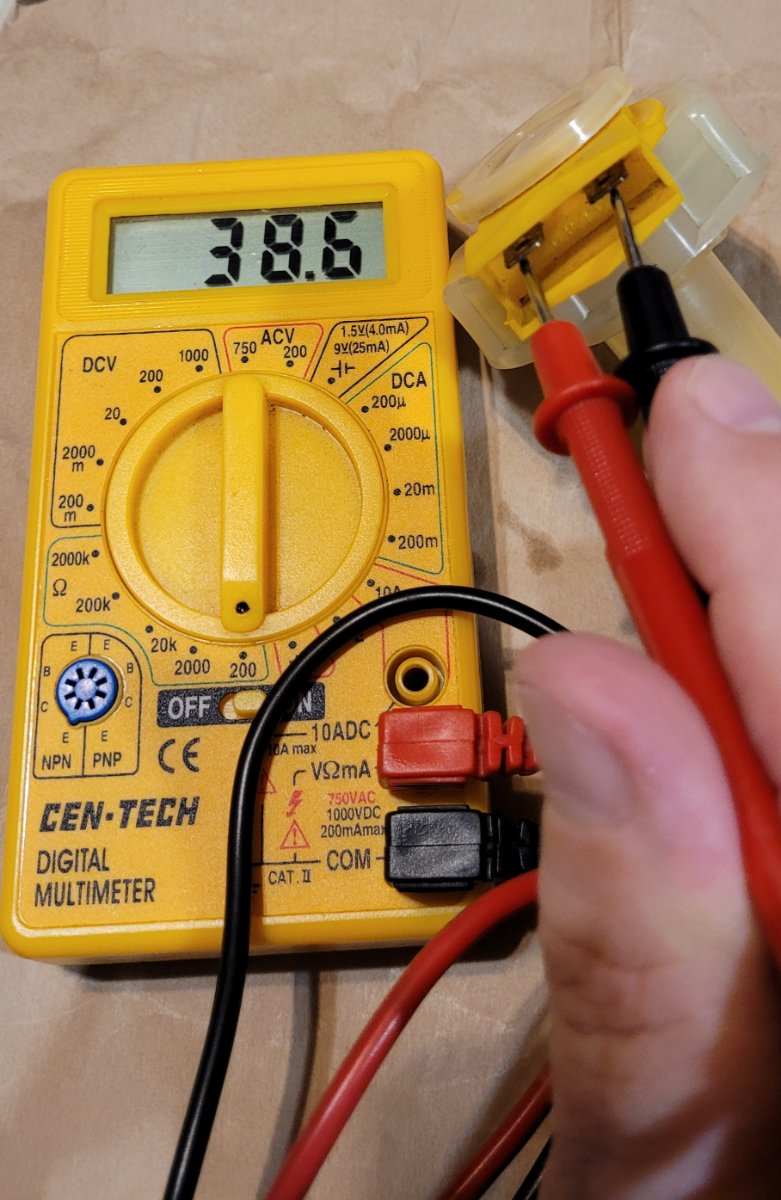
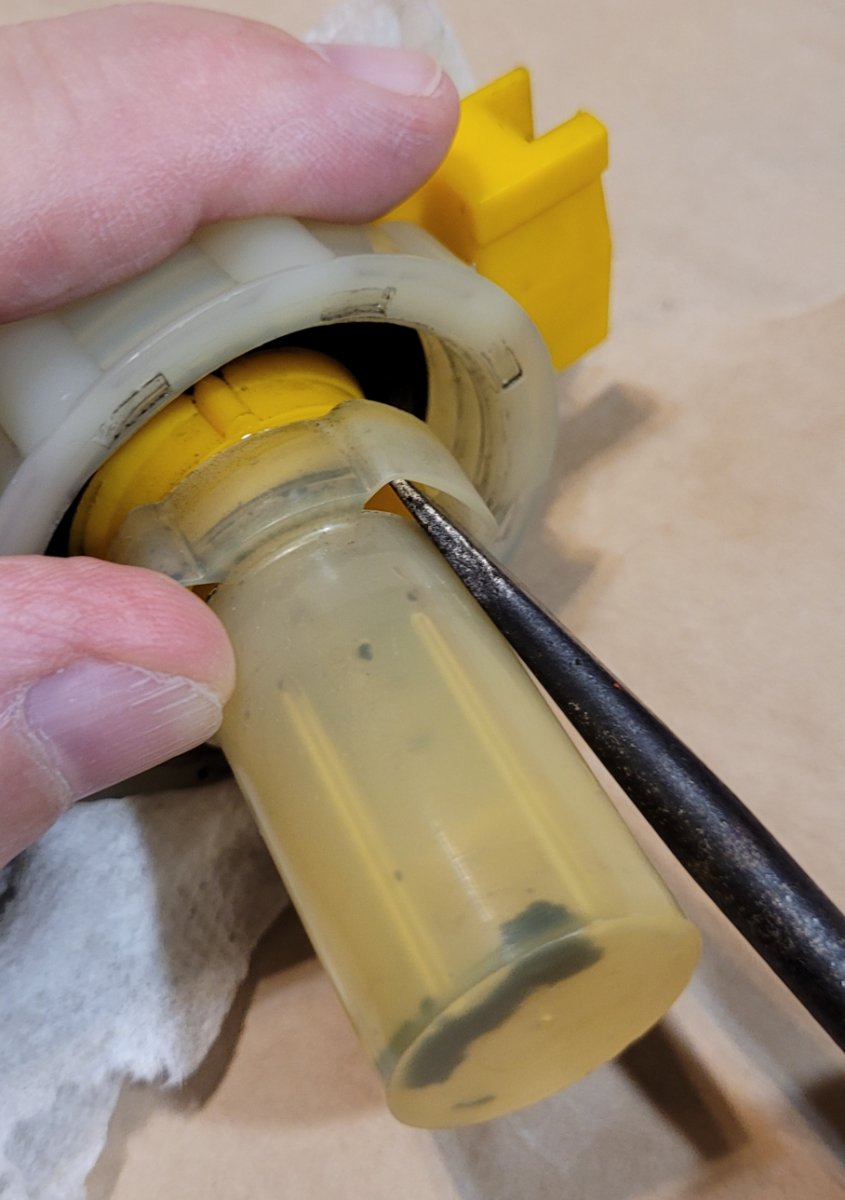
So, I can't leave things alone. My old MC cap with level switch was dirty with gunk. Yes, time for Q-Tips! Prying here may not have been necessary, but this and a little tug, the basket releases. The float stays attached to the head. Gunk. The head and gasket pop out with a push from above. when using Q-Tips, don't leave any cotton fibers in the parts. Check the switch for function. A simple on/off switch. Float on bottom should show current. Makes the light go on. No need for chemicals or air. just Q-tips and paper towel.
-
GIRLING 74660152 90s Cat MC replacement ideas
IamScotticus replied to IamScotticus's topic in General Tech
Thats alright. This experience isn't just for us, but for the many. At this point, I wouldn't reccomend anything other than this MC. So any comparisons with a MIC aren't of much value here. -
GIRLING 74660152 90s Cat MC replacement ideas
IamScotticus replied to IamScotticus's topic in General Tech
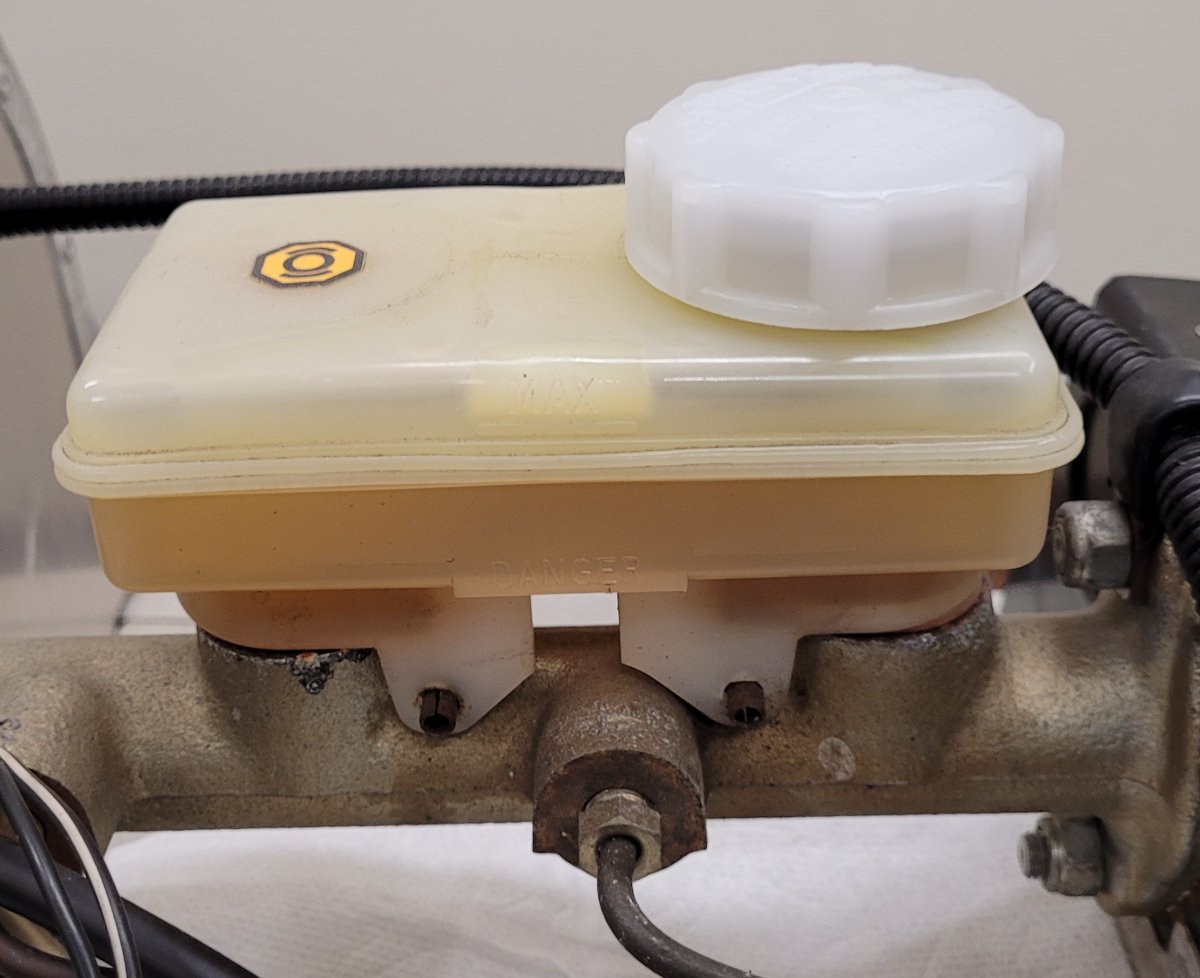
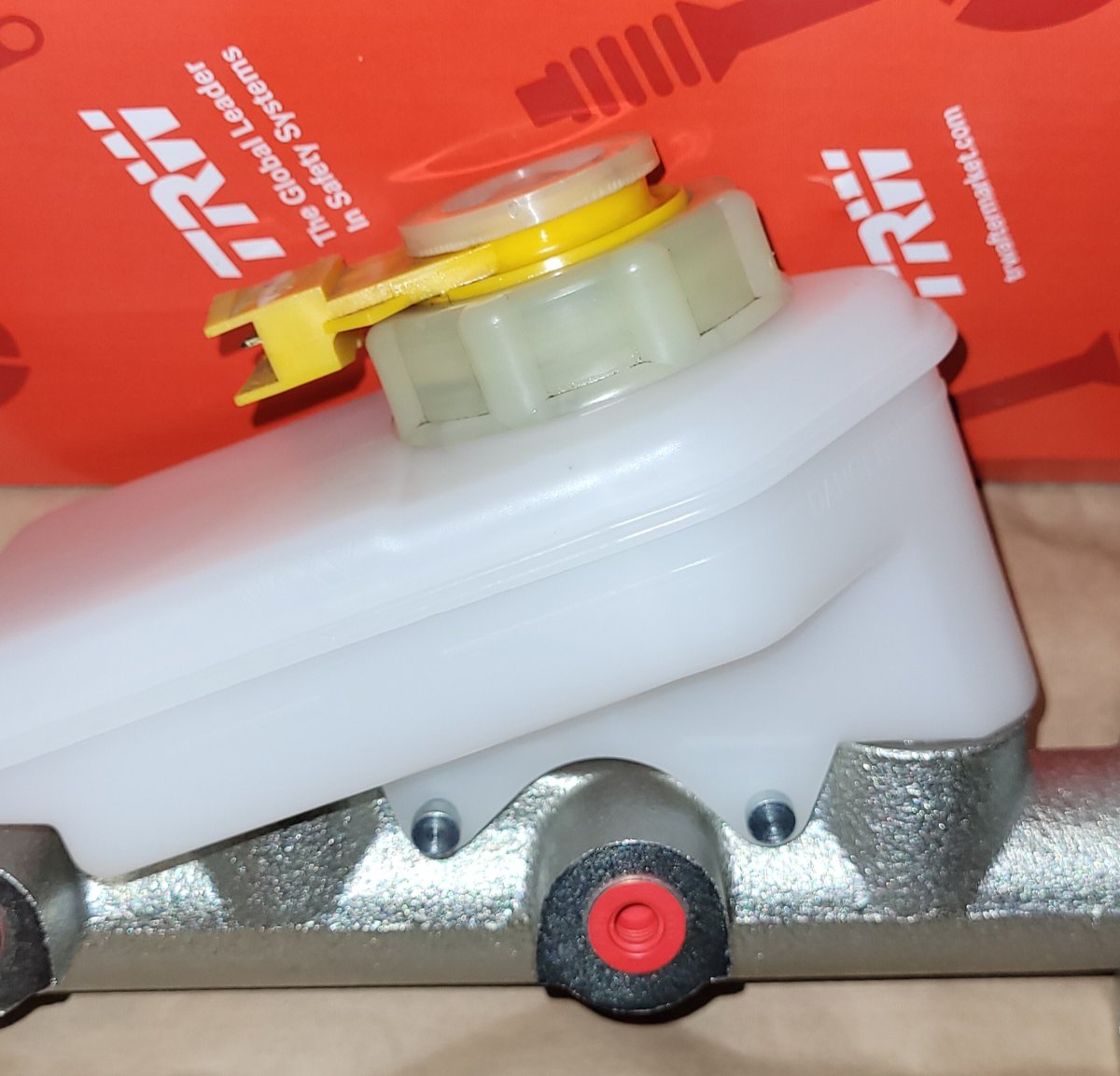
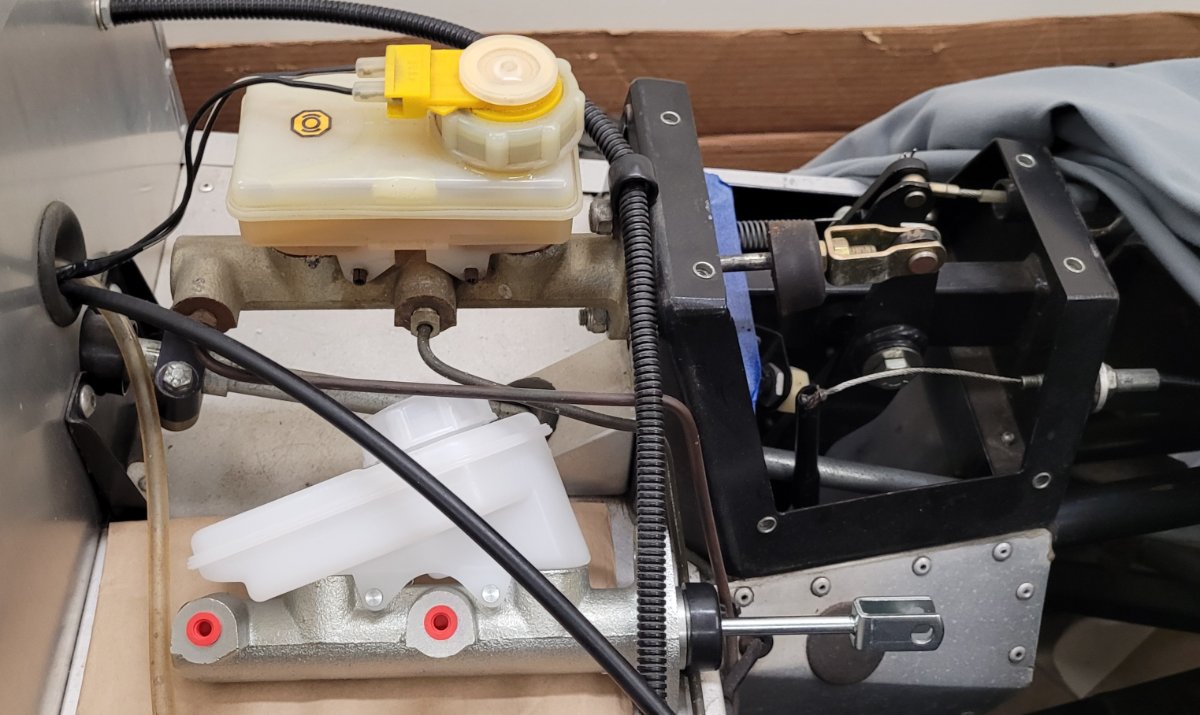
I couldn't wait any longer... Yes, the cap for the TRW fits the old Girling perfectly. Yep, this fits too The tank threads appear to be about 9 TPI x 1.75"
-
GIRLING 74660152 90s Cat MC replacement ideas
IamScotticus replied to IamScotticus's topic in General Tech
It is a Great toe fusion for arthritis. We will see if my heel-toe improves, 😆 But, yes, doing well, on schedule, on budget. Thanks. -
GIRLING 74660152 90s Cat MC replacement ideas
IamScotticus replied to IamScotticus's topic in General Tech
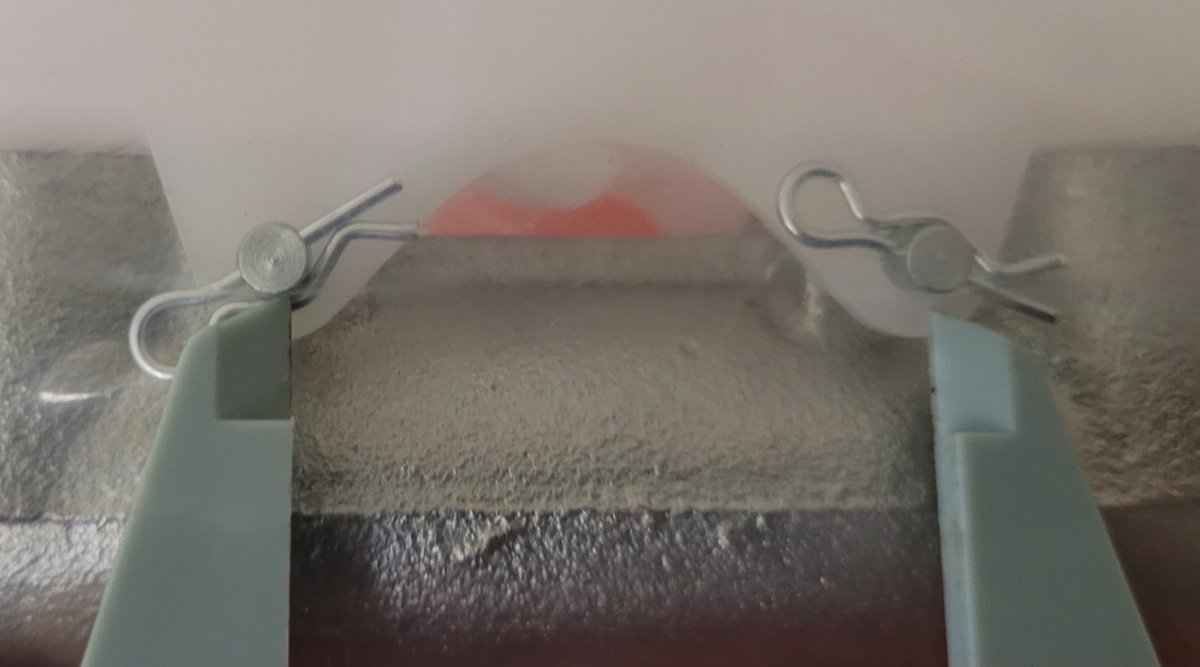
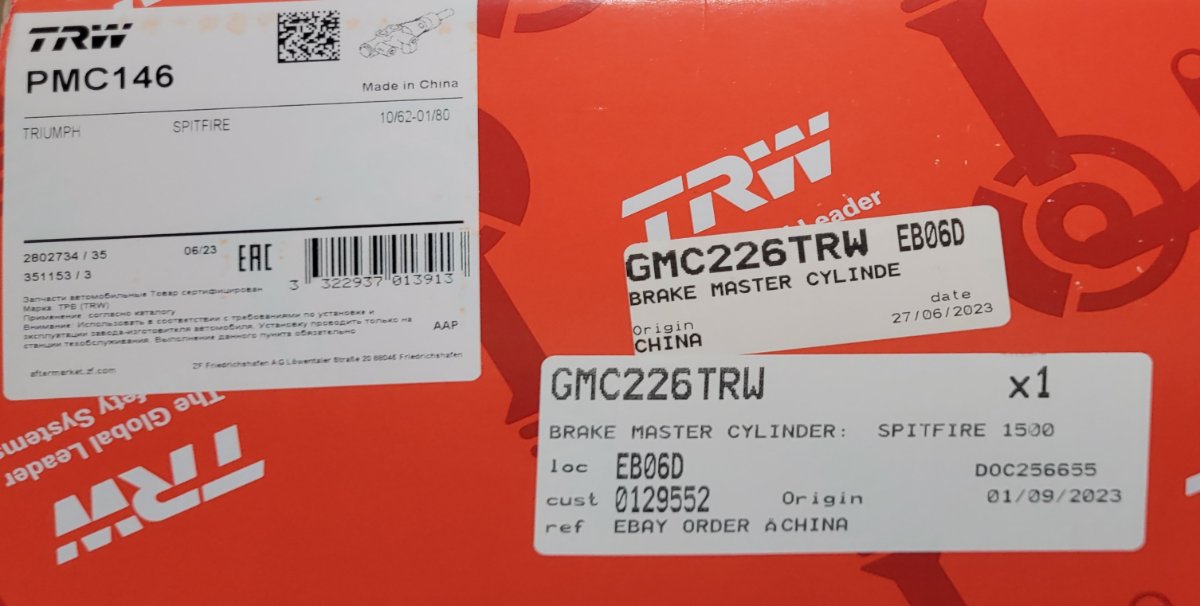
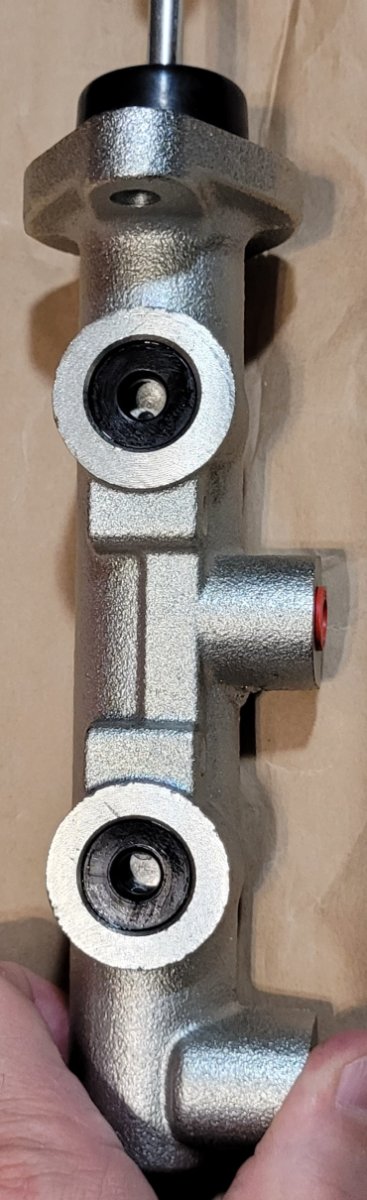
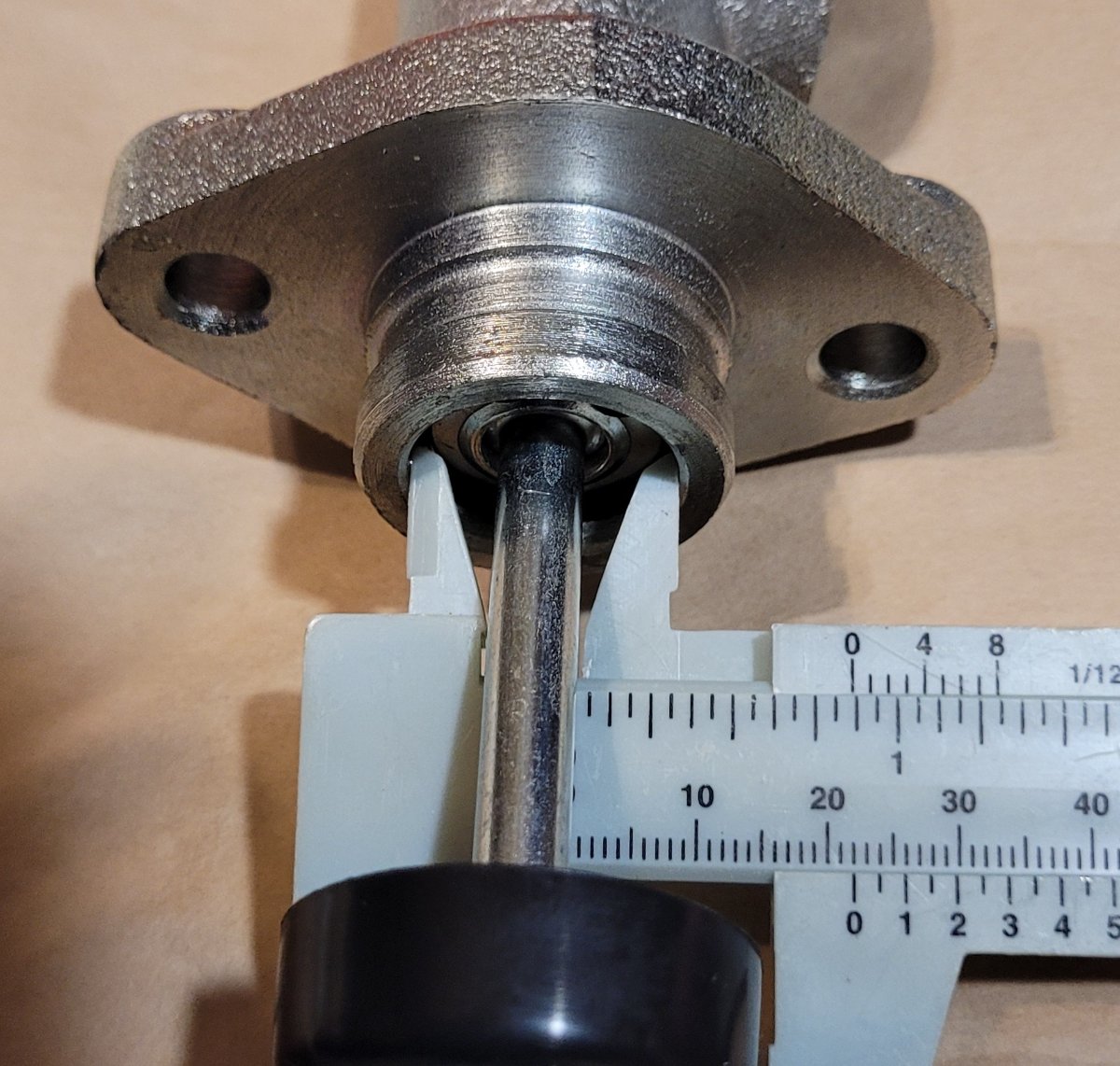
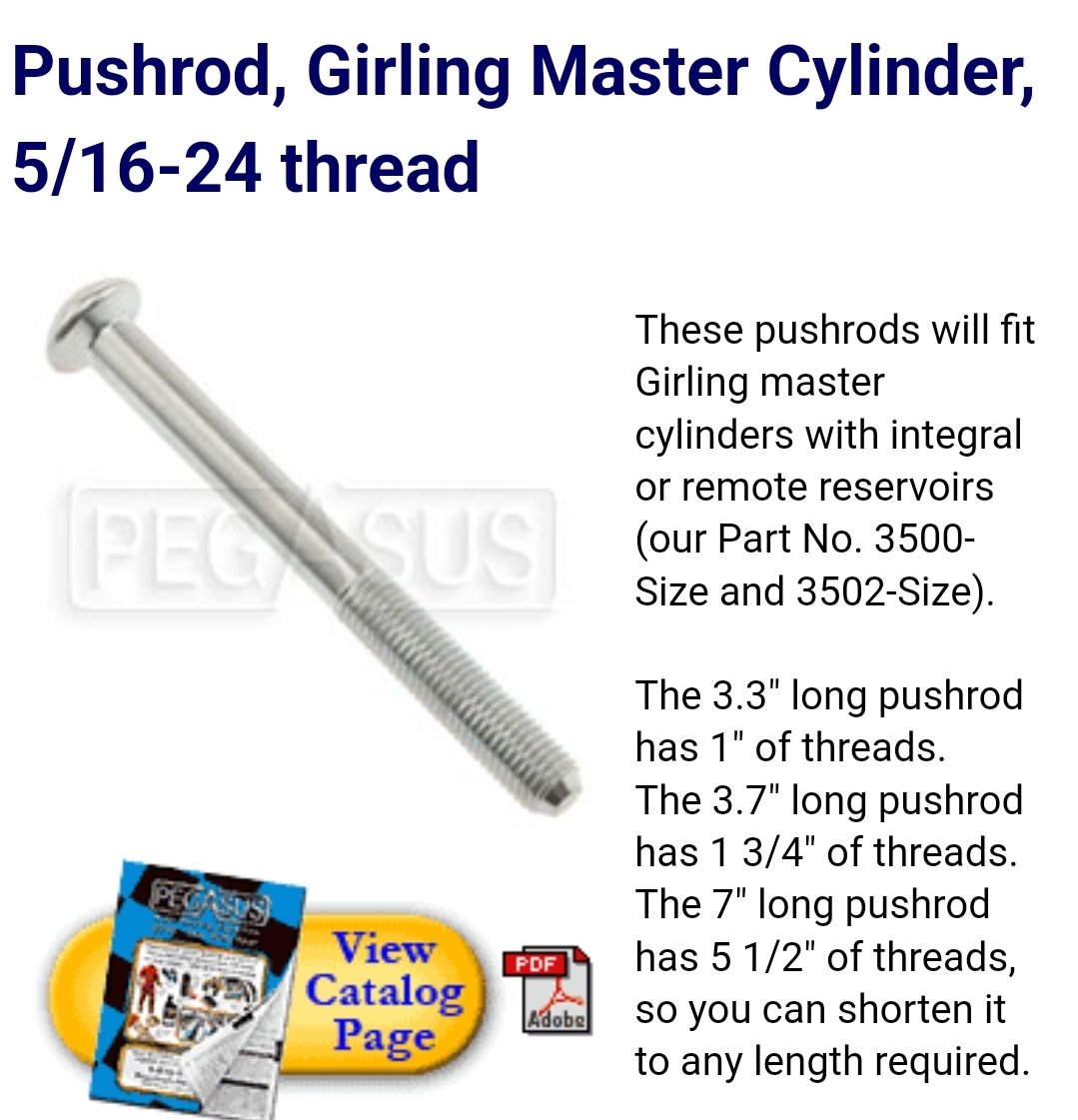
Alright. sorry this took so long. the MC came in while I had foot surgery (size reduction for better fit in pedal box) so it had to wait two weeks. But the wait was worth it.. MV8 was correct, by all the rough measurements I could make, comparing this new to the old, the TRW Spitfire MC does appear to be a direct replacememt except for the tank and push rod. I am not yet ready to attempt swapping tanks, but even if I don't, this angled tank has enough volume to be usable horizontal. This pin space measurement was taken off my old MC and is being placed on the new. They appear to be close. The other parameters like port space, neck dia, bolt space and length were found copesetic. I will get around to trying tanks and caps later. The spacing is 86mm or 3- 3/8". the tank nipples are 5/16" OD and 3/8" long. No Im not going to take it apart to check bore, etc. I can try to measure the inside of the neck behind the boot, but thats as far as I will go. Another thing, this push rod is capuured behind the circlip. It does swivel on a bearing, backed by spring tension. this may need to be removed to work for the shorter rod the 7 uses. But it could be threaded. I see some are available at Pegasus
-
Hi Ross! No, the point wasn't lost, I chose to be more pragmatic with the two lines I could muster at midnight, not attempt to convey the essence of the story, which Im not eloquent enough to do. You are a skilled storyteller for sure and the Lotus experience gives you, us, plenty to talk about, like good fishing stories. I do believe in tempting the fates as well. I believe if someone who knows nothing about gambling dabbles in it, he will quickly win where the jaded will struggle on for years. This happens because there are unseen forces at work vying for one's eventual failure. But a man's own skills at overcoming and converting his perrils and adversities into successes are life experiences to be explored, developed and yes, even envited. Especially in a Seven, even if everything were buttoned down and one was prepared for all to come, these cars still manage to tempt the fates. Even the small trips can lead to the unexpected. Like my first leg covered in petrol, learning how quickly a new clutch cable will stretch out and the feeling of driving into an air temperature drop of thirty degrees at the bottom of an undulating road. There was a time in Anchorage AK I really set off on faith. I was there on temporary assignment for a few months. Rental cars were few and very expensive. I wanted to find a vehicle for sale and offer to rent it. I set out on foot from my hotel on Lake Hood walking, looking around. In a few hours I came across an old Ford PU for sale at a gas station. I asked and got the deal. It needed some work around the engine to be reliable, which it got. That truck served me well for four months. Except for the the long mountian pass inclines into the higher altitudes on the Seward Highway, one of the drives everyone should do before they are dead. You will look down and say, "Damn, I should have done that!". Years later, I was telling my sister who came up there to visit,and was my passenger on that tour of God's country, of the lack of power at altitude. She said, "I thought you were slowing down so I could see the scenery". "No," I said, "I was flooring it". After 20mph, I was seriously worried about stalling. We didn't. She's in Alaska now watching the morning moose graze her front yard and Im stuck here in a hot ruthless border town with one hand on on the gas pump and the other on my .38, and my leg out of the way.