JohnCh
-
Posts
3,266 -
Joined
-
Last visited
Content Type
Profiles
Forums
Store
Articles
Gallery
Events
Library
Everything posted by JohnCh
-
I looked at a Caterham yesterday with this installation. The owner also added thin rubber edge trim around the perimeter of the plate which gave it a more finished appearance. It looked very good. I think I will go with this approach when (if?) I get plates. -John
-
I like APEM switches and use both their small push buttons and toggles in my cars. They are available from most of the major electronic supply houses (e.g. Mouser, Newark, Online Components, Digi-Key) as well as Caterham (for the 620 dash) and Car Builder Solutions. The toggles can be configured in a number of ways using this data sheet to generate the corresponding part number, or you can simply go to either Caterham's or Car Builder Solutions' site and grab the part number from the photos. This is the failsafe if you are looking for toggles for specific, common functions like starter, turn signal, or headlights, and aren't comfortable choosing between the datasheet options. I've found that availability and price can vary between the supply houses, so it's good to check all of them once you know the part numbers you want. -John
-
Sorry to hear about the delays. Although given it's a rolling chassis, you may skip all the other frustration that comes with buying a Caterham these days like missing parts, things that don't fit without excessive and creative swearing, instructions optimized to make things look simple rather than actually explain what to do, etc
-
Yes, leaning over the passenger then pulling up hard on the belts to strap them in definitely helps with the message to "sit down, shut up, and hold on!" When is your car due to arrive? -John
-
After reading @drhasegawa's post about hitting 130,00 km, I think I'd characterize the fewest miles travelled in 5 or more years as who loses, not who wins -John
-
I like Schroth's ASM technology and run their Profi II ASM harnesses on both the Westfield and Miata. My harnesses came set up for snap in connection, which I changed to bolt-in using the B24 bracket with matching SG11 shoulder bolt for the lap belts and the B23C bendable bracket with S65 pivot sleeves on the shoulder belts. Wavy washers and flat washers were also used as shown on the HMS site. https://www.hmsmotorsport.com/products/hardware-Harnesses I didn't do anything with shoulder belt spacing. Another nice feature of the Schroths is the ability to configure the lap belts for either pull-up or pull-down tightening. I have the Westfield setup for pull-down on the driver's side, but pull-up on the passenger side since I've occasionally had to help a passenger belt in. It's much easier to tighten their belts in that situation when you can pull up. -John
-
I forgot to add the picture of the AEM wide band controller in the last post. This is attached behind the battery and ECU. Easy to see the status lights, but out of the way. -John

-
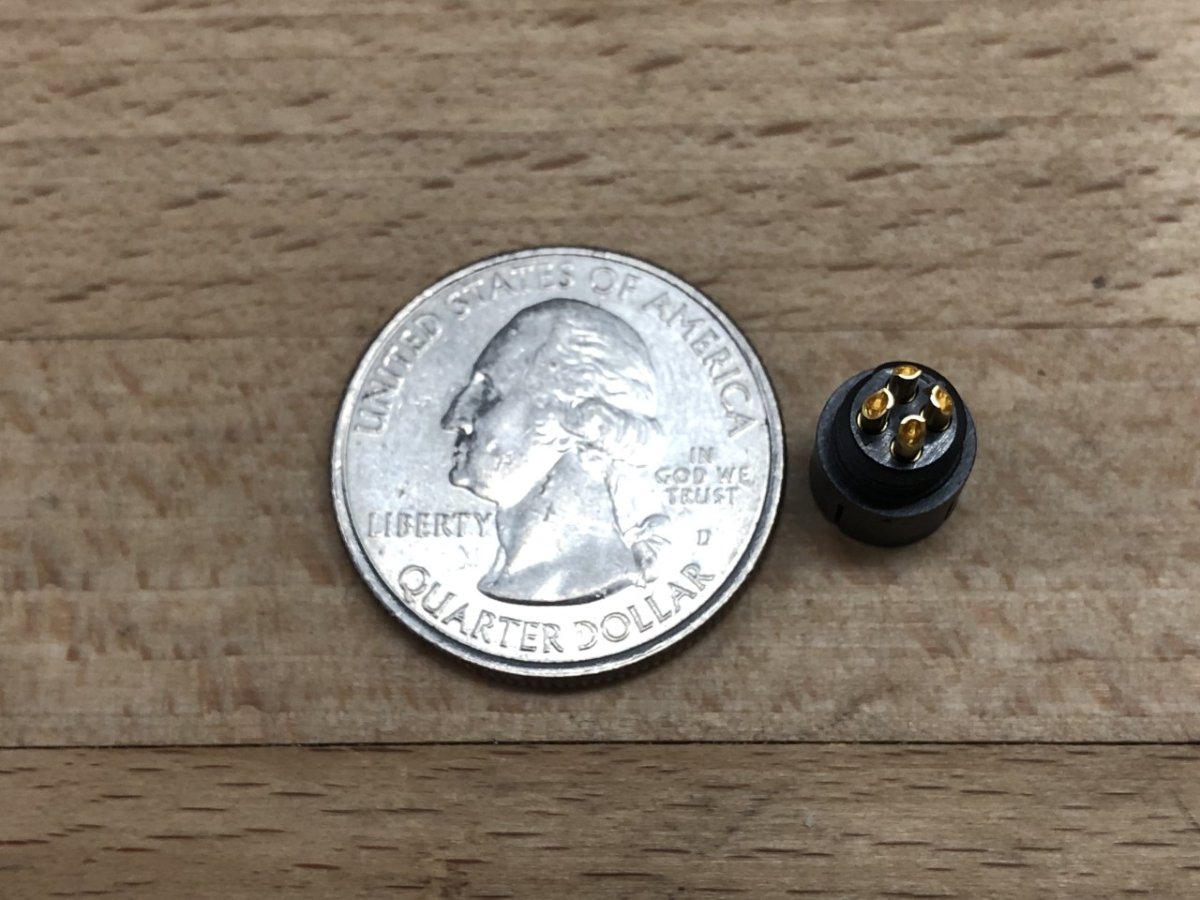
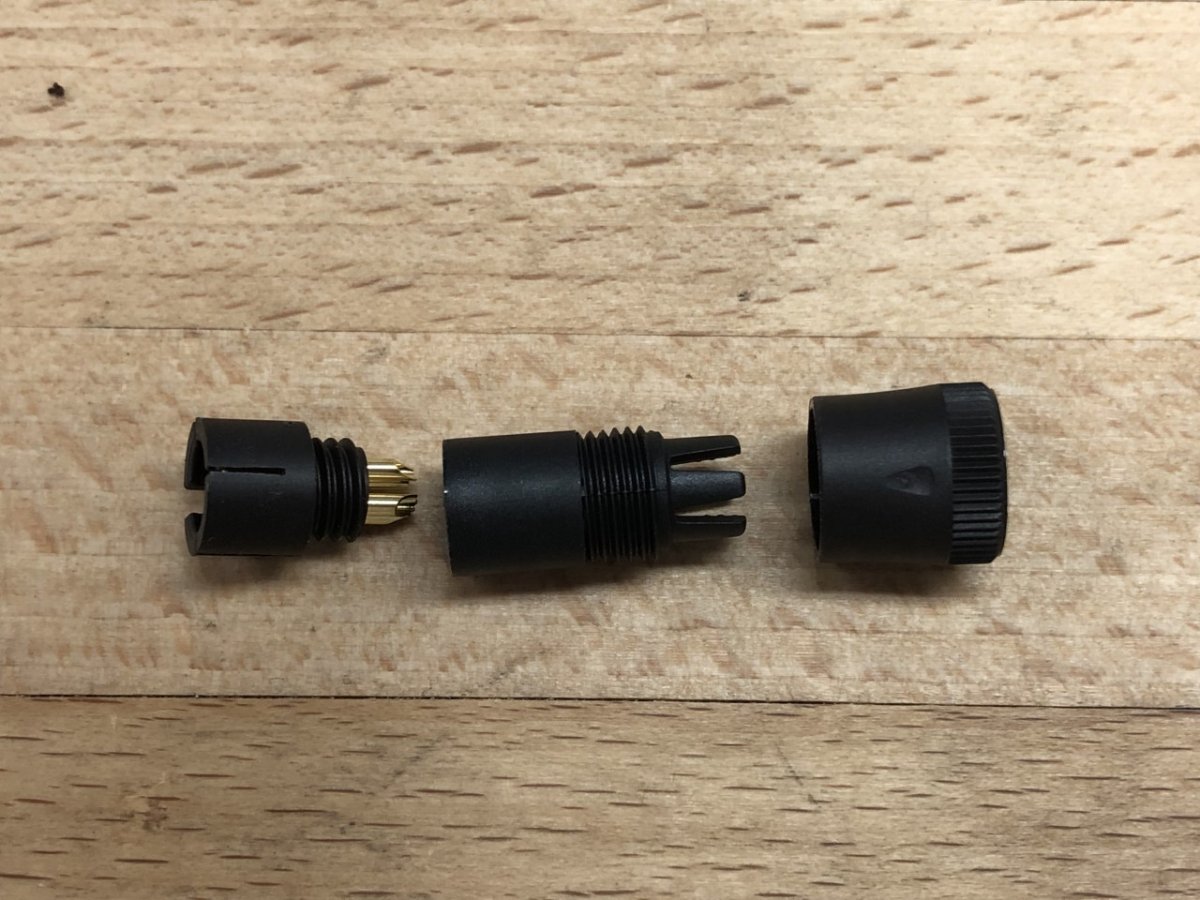
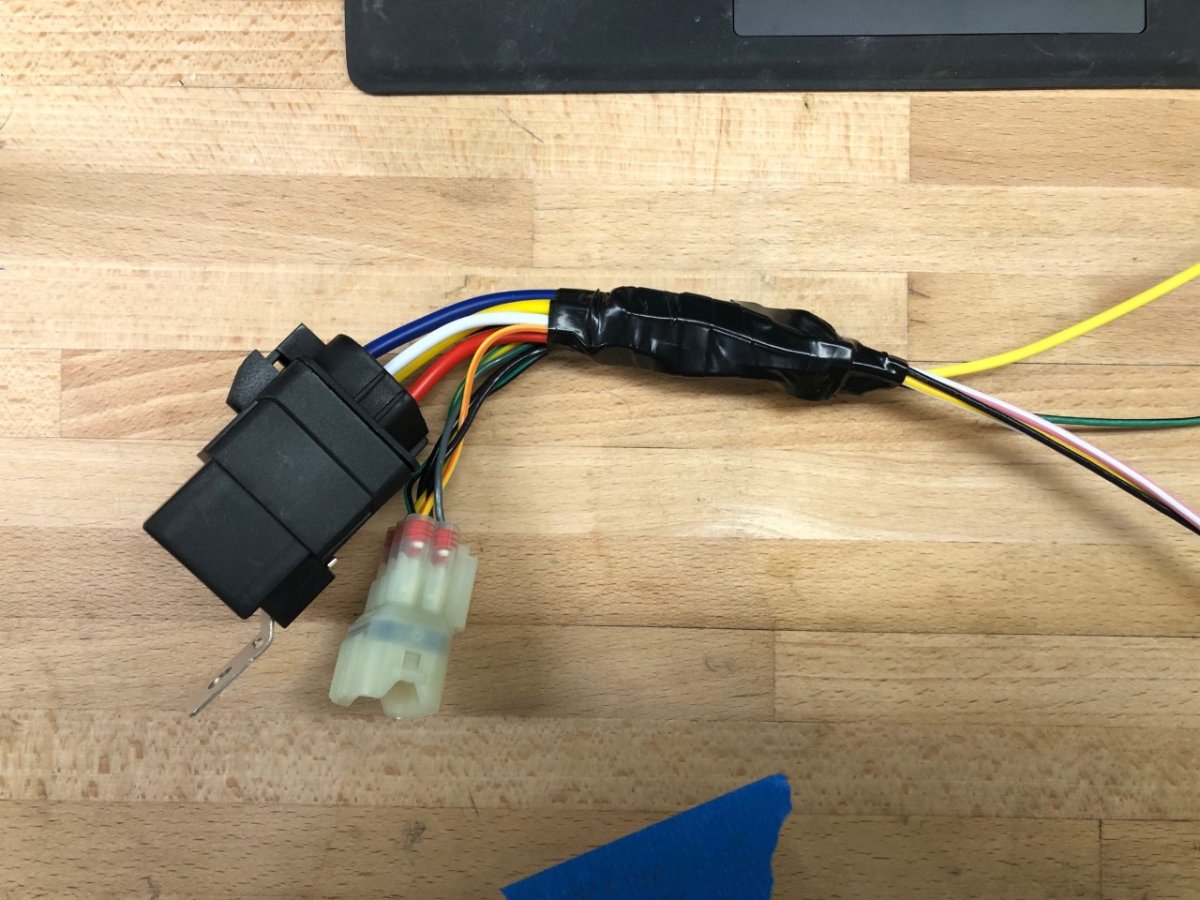
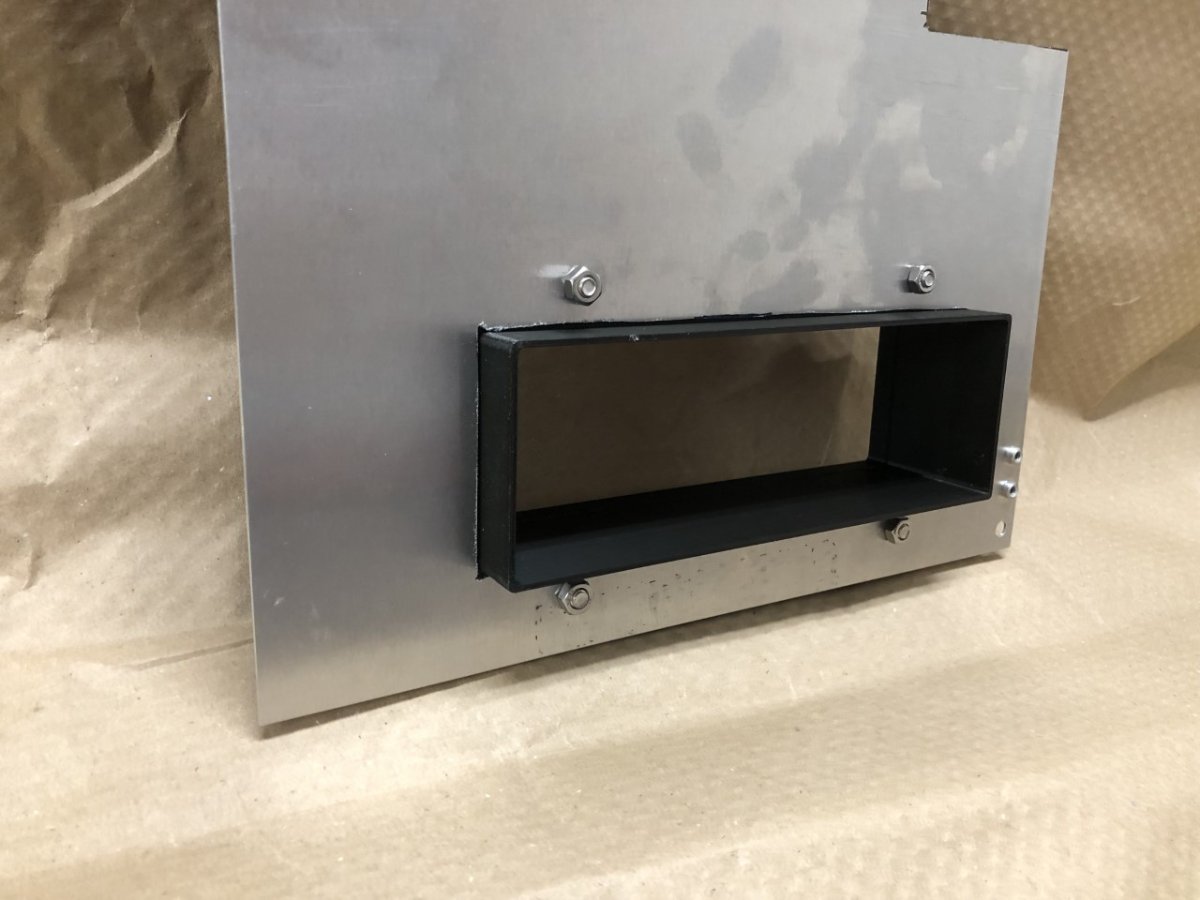
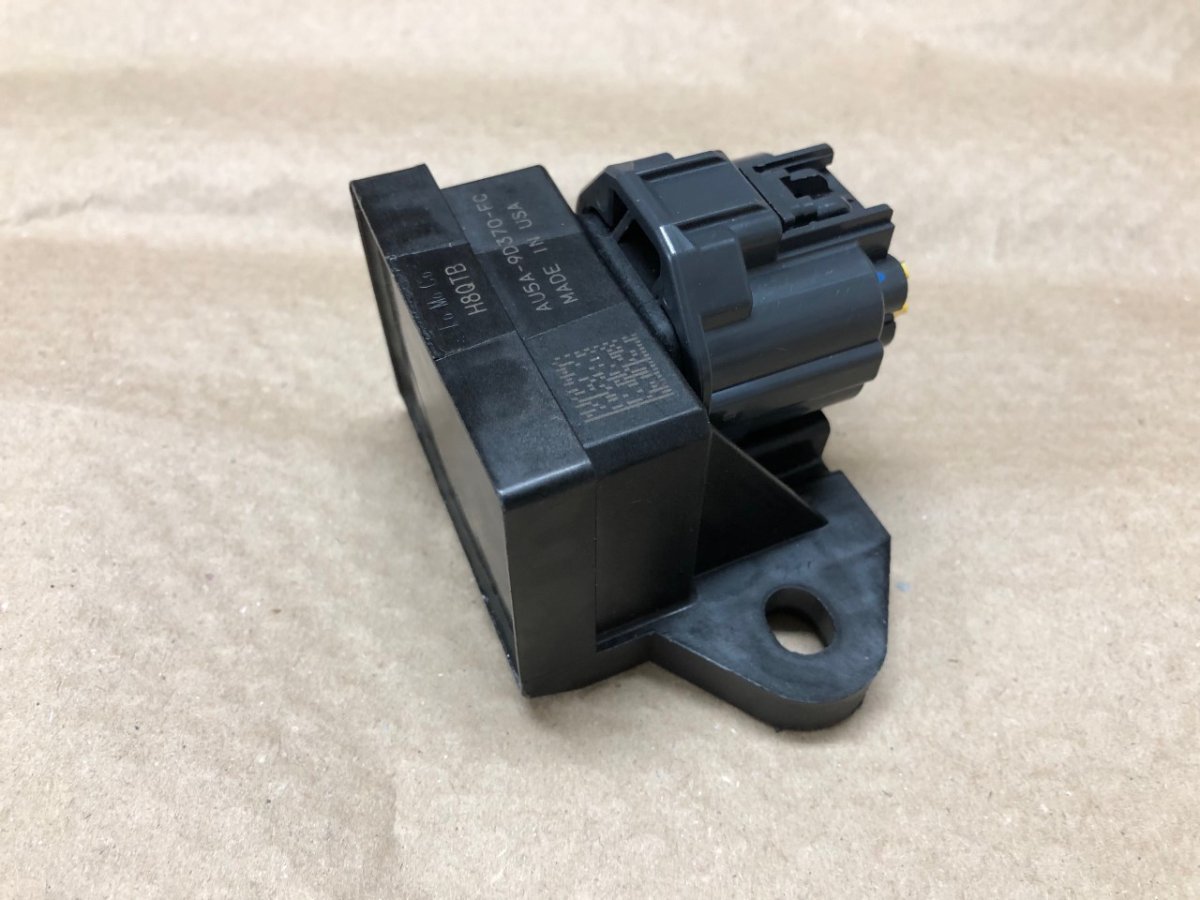
I had hoped to wire the AiM this weekend, but after looking at the required Binder 719 connectors and remarking to myself, "Holy crap those things are tiny" I checked the specs and confirmed they require 24-gauge wire to fit inside the hollow pin. I had cheap 22 gauge on hand that is known for being undersized which could be persuaded to fit after a few tries without stray stands sticking outside the pin. However, that approach didn't seem prudent. Good quality 24 gauge is on order. Although not the outcome I had hoped for this weekend, I was able to confirm which wire goes where for the various gauges and warning lights, and I also powered up the AiM to ensure it works. Aside from the AiM, the electrical is finally done. The fuel pump controller was changed for a second relay controlled by the ECU, the AEM wide band O2 controller was wired up, the engine loom connector for the TPS was swapped for one that works with the Colvern TPS fitted to the new engine, and DRL relay is connected and working. Factory fuel pump controller: Replaced by a relay still controlled by the ECU: With that work done, it was time to clean up the wiring a bit -- wires for some unused circuits will remain to ensure future flexibility -- and to work on the new mount for the fuse/relay box that provides access from the engine side of the firewall. The prototype was printed in PLA and the test cuts and installation was done using a spare sheet of aluminum the same thickness as the firewall. The factory fuse box will slide in from the rear then bolt to the mount similar to how the factory attaches it to the firewall. To keep things watertight, a Nitrile cord is glued into a groove printed into the top of the frame with a matching, but slightly shallower groove printed into the back of the lid. Black thumbscrews from McMaster Carr will hold the lid in place and provide quick access. I may make a few more tweaks to the design before printing in the carbon fiber nylon and may also add a mount to the back of the lid to hold a small fuse puller, but it's pretty close to final. -John
-
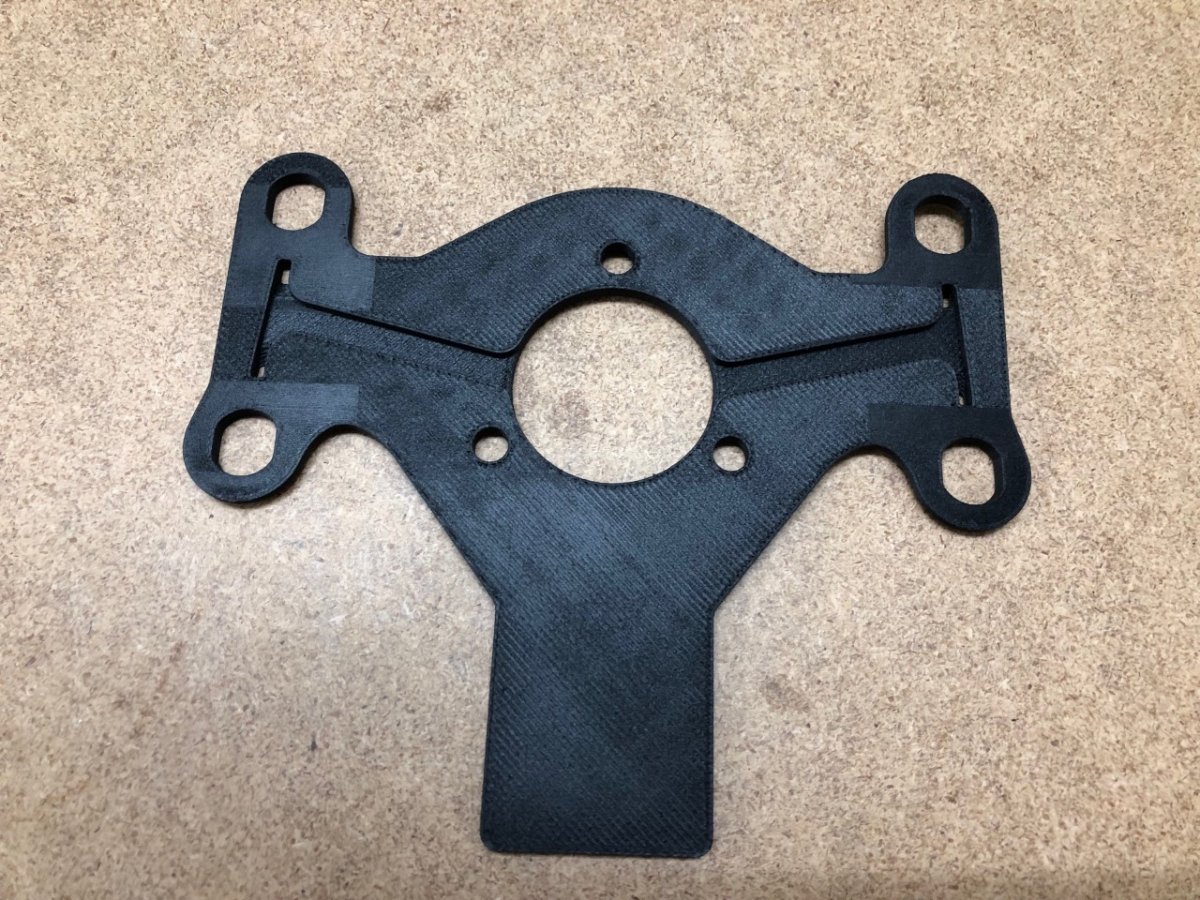
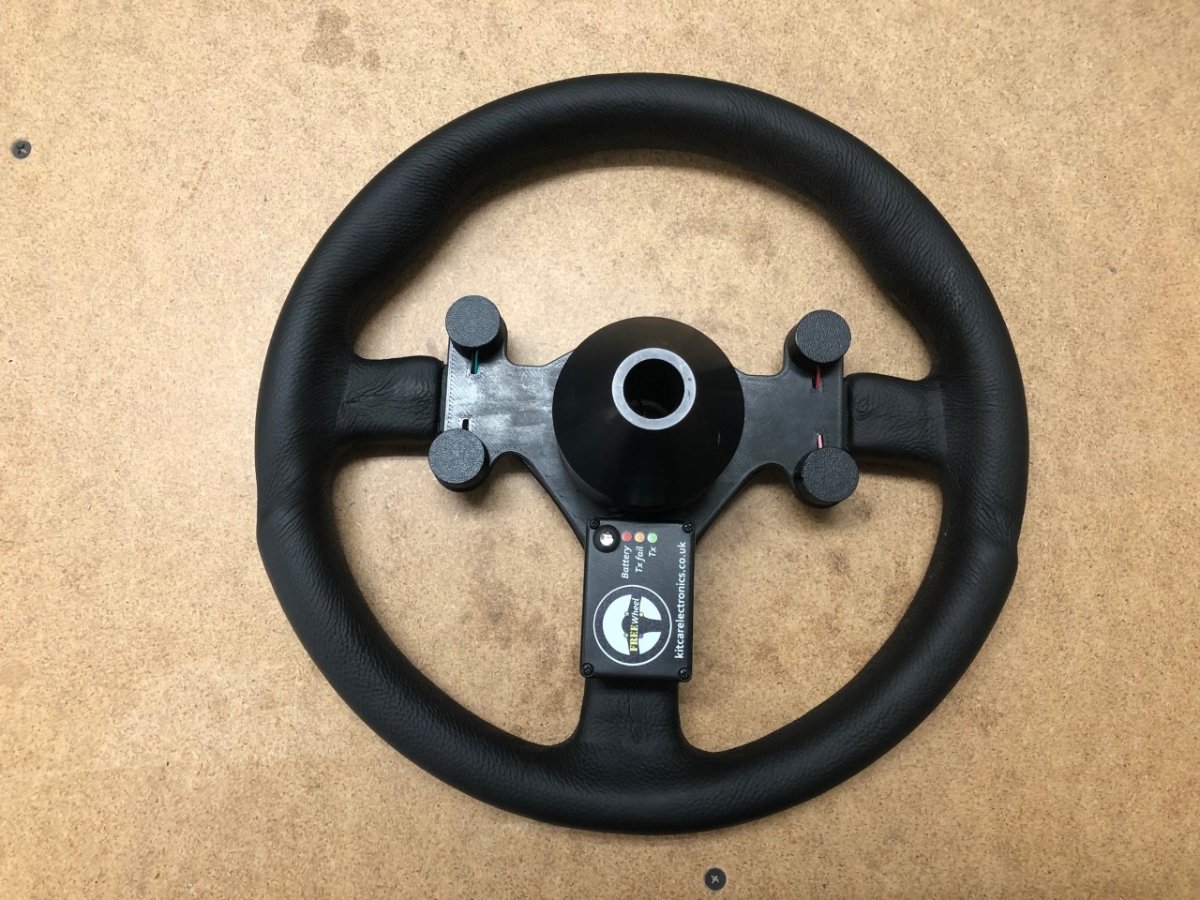
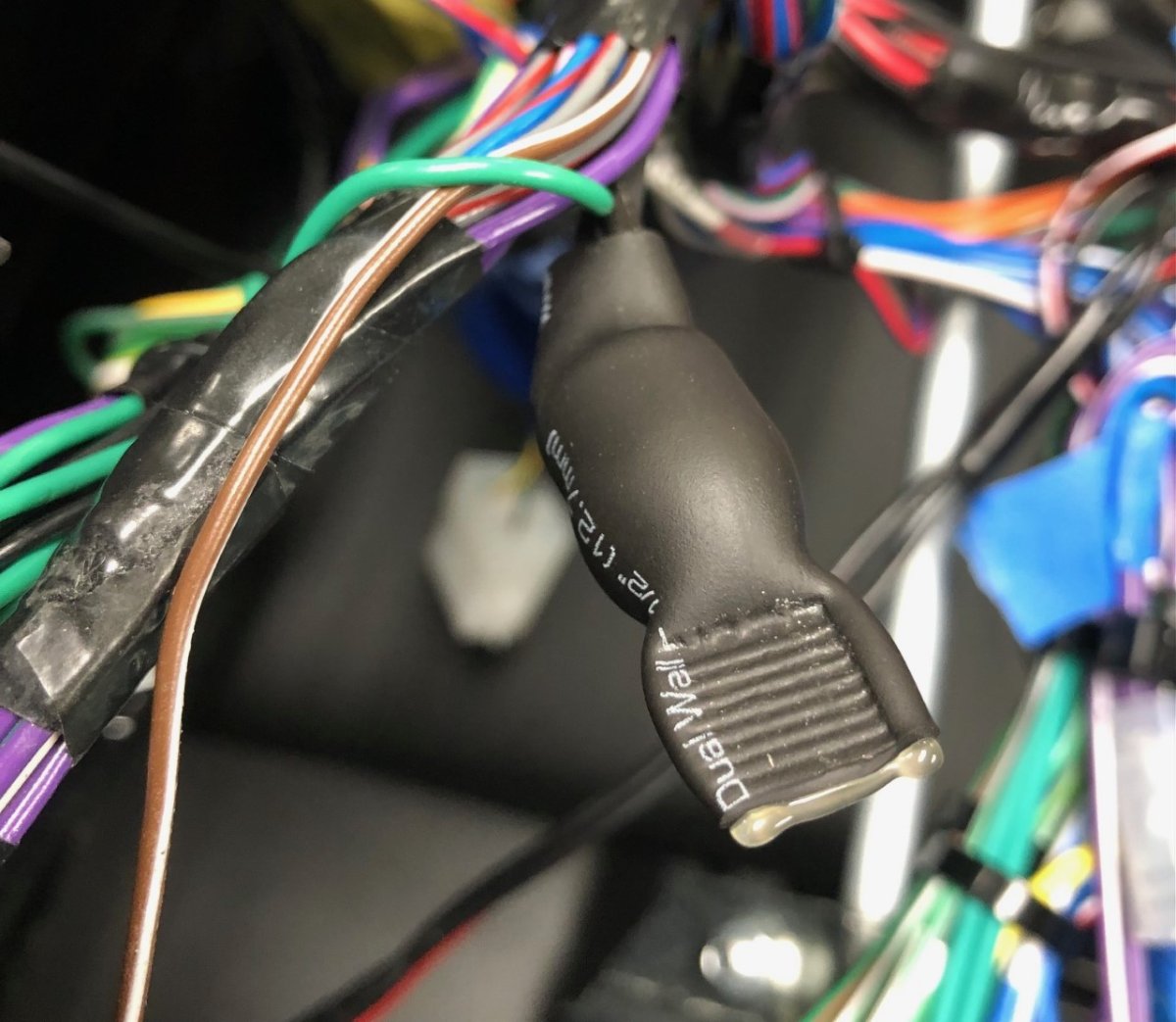
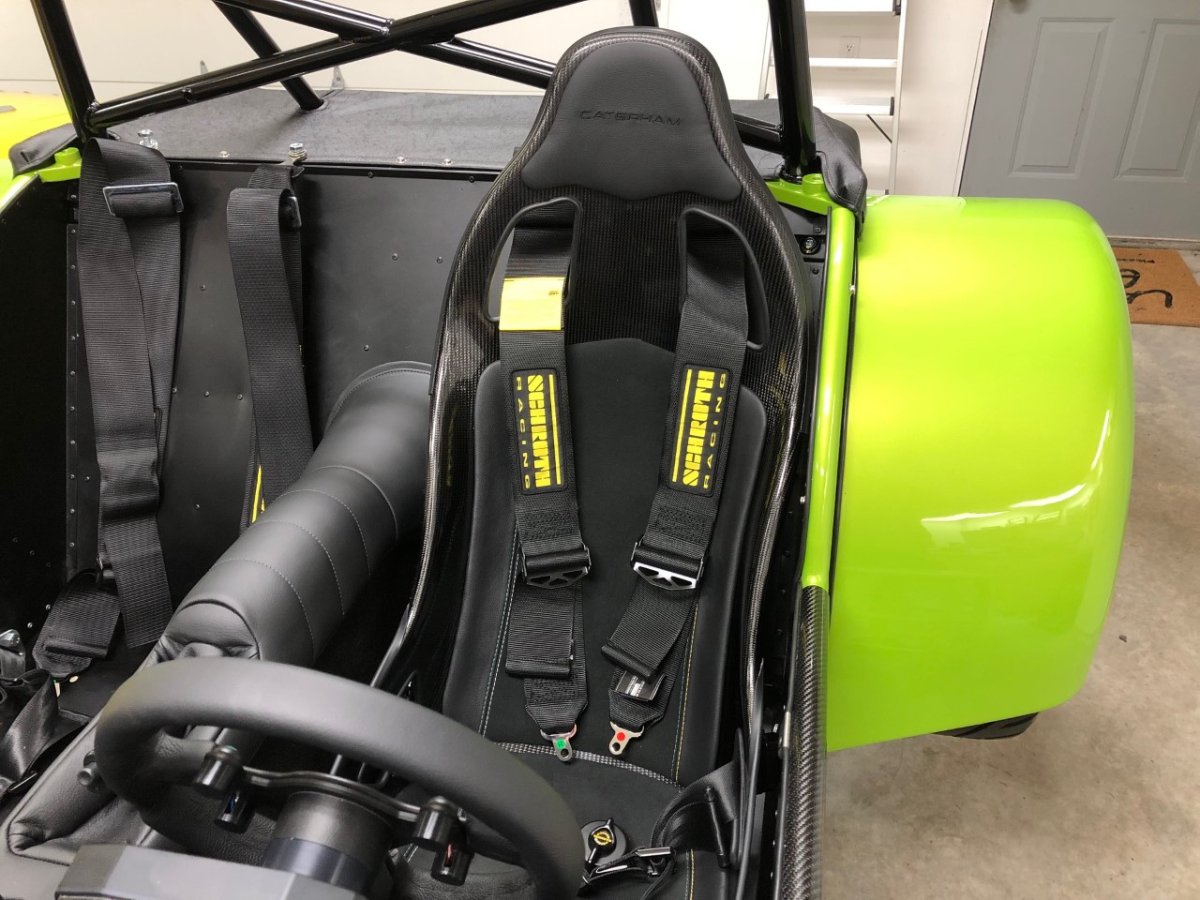
Just a few updates. The final versions of a several prototype parts were printed and installed: revised steering wheel switch plate and hub extension, redesigned battery hold down, throttle cable plug to accommodate the smaller ferrule in the Jenvey's throttle cable, DRL brackets, and fuel rail spacers. I also printed a prototype for the fuse box housing that allows access to fuses and relays from the engine side of the firewall. First version came out well, but seeing it the flesh has given me some ideas for V2, which I'll work on this week before posting pictures. With the steering wheel parts done, I could finally solder the push buttons to the transmitter wires. The initial switch plate design had grooves in the back to route the wires from the transmitter to the pushbuttons. The plan was to hide the wires with small covers on either side of the hub, but I decided to simplify by moving the grooves to the front of the plate and covering the wires with the back of the steering wheel spokes. The wires then poke through small holes to reach the back of the pushbuttons, which are then covered with small caps. I forgot to take a picture of the wires in place before attaching the plate to the wheel, but these two photos illustrate how it works. When testing the completed wheel, I had a bit of a scare: the horn was blaring regardless of the horn switch position. After troubleshooting to see what I screwed up between the last testing session and soldering, I discovered that first turning the key, then attaching the temporary ground for the Freewheel receiver would create havoc for the electronics. If the ground was attached before the unit received power, then all was good. I had an esteemed visitor from the East in the garage on Saturday to check my progress who was accidentally treated to this phenomenon when I showed him the wheel. Oops. The Freewheel auto-cancels the indicators using a configurable timer that can be set anywhere from 6-30 seconds long. This eliminates the need for the obnoxiously loud indicator beeper Caterham fits to the loom. Rather than cut it out, I topped it with a small dab of adhesive putty and covered it with heat shrink. Much better… The Schroth harnesses and driver's seat are installed. The passenger seat is waiting on backordered sliders from the factory. It looks like variations in production tolerances are to blame for the outer driver's side shoulder harness bolt not fitting under the rollover bar lower brace. The outer passenger side barely -- and I do mean barely -- fit, but the driver's side has about 3mm less clearance according to the calipers. I've temporarily used a shorter, spare lap belt mounting bolt, that I'll replace with something a little longer before finishing the car. -John
-
That looks like a fun curve! Are you running a 4-1 header? If so, what is the size of the exhaust? Did you have to go to 3" for those power levels, or are you at 2.75"? Thanks, John
-
Wow is right! Do you have dyno curve you can post? Did they use an exhaust manifold dimensioned similarly to yours when they did the test? Thanks, John
-

The Regular Summary of Classified Ads of Se7ens Found For Sale
JohnCh replied to Croc's topic in Cars For Sale
You realize you just described driving a se7en, right? -
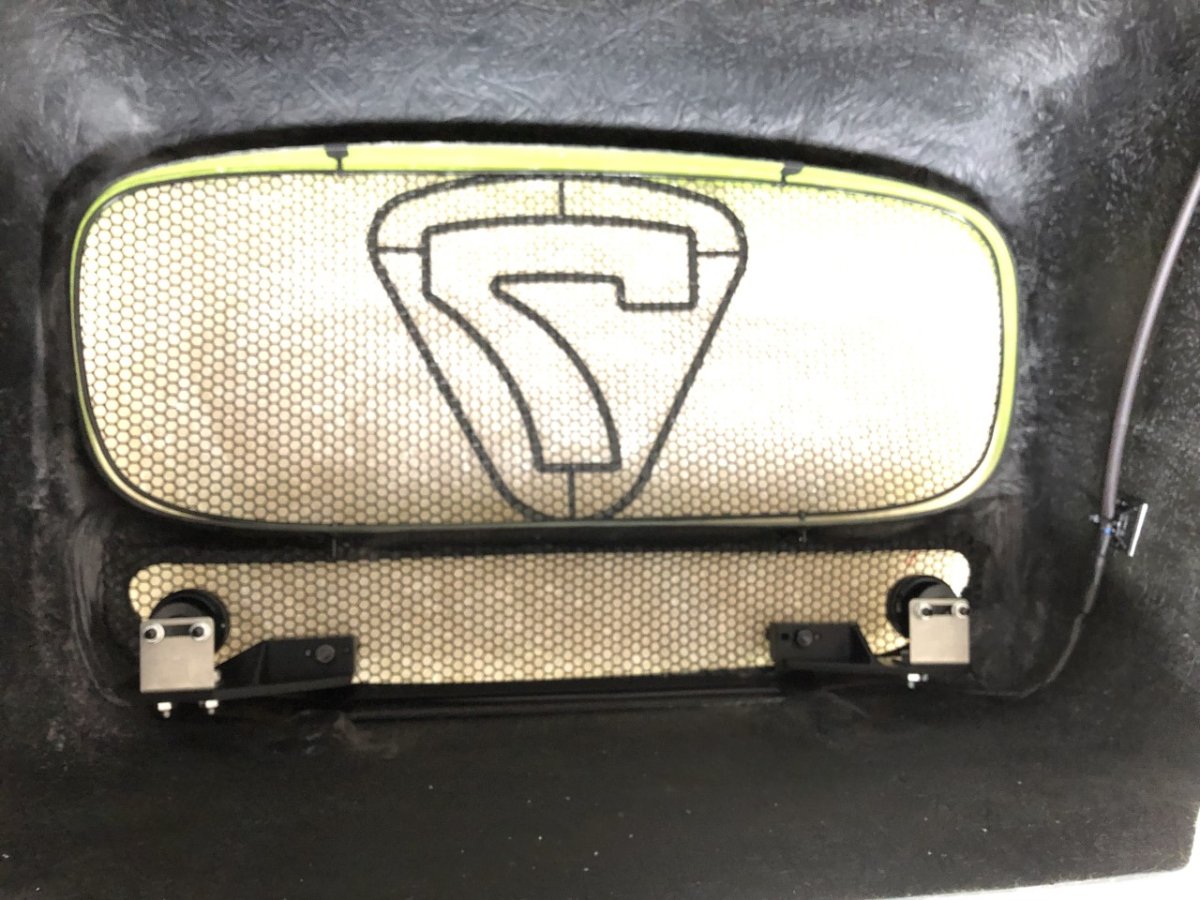
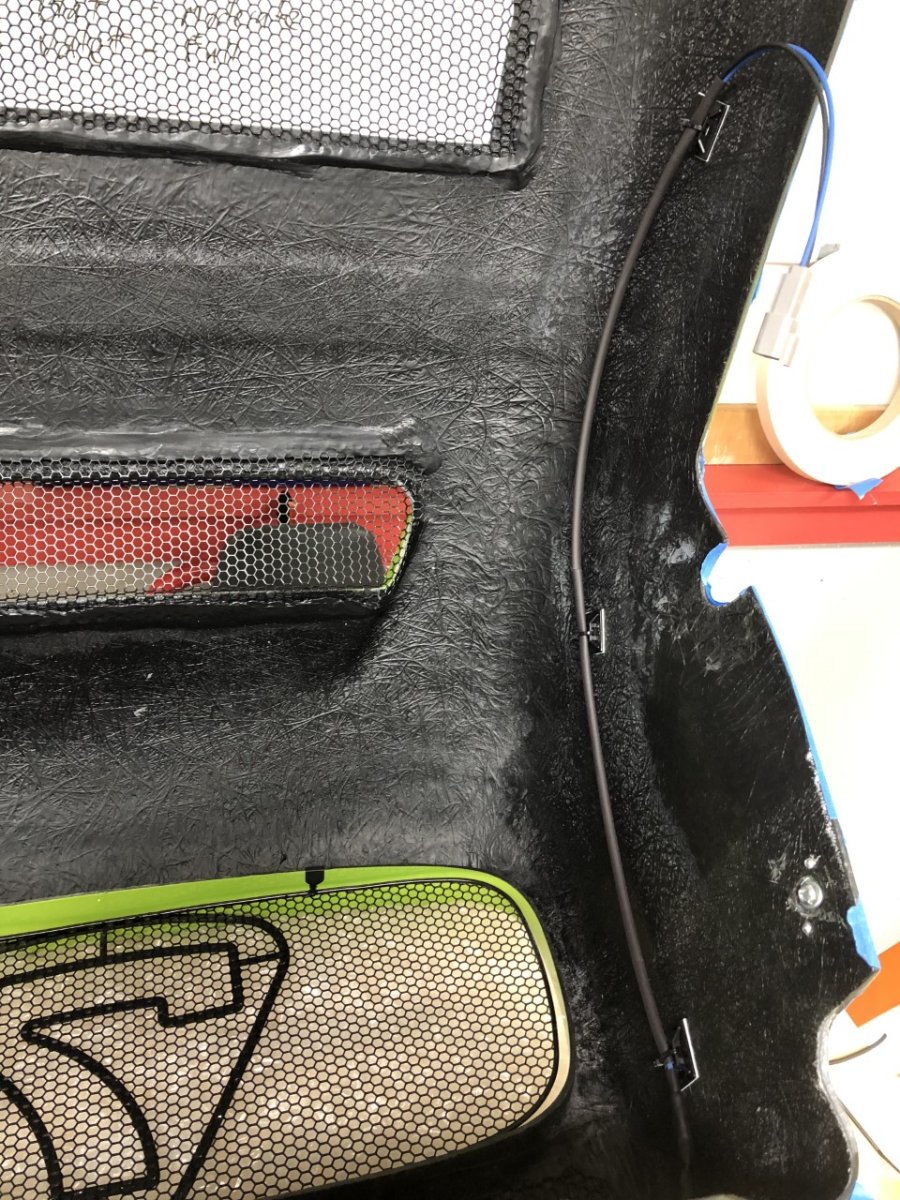
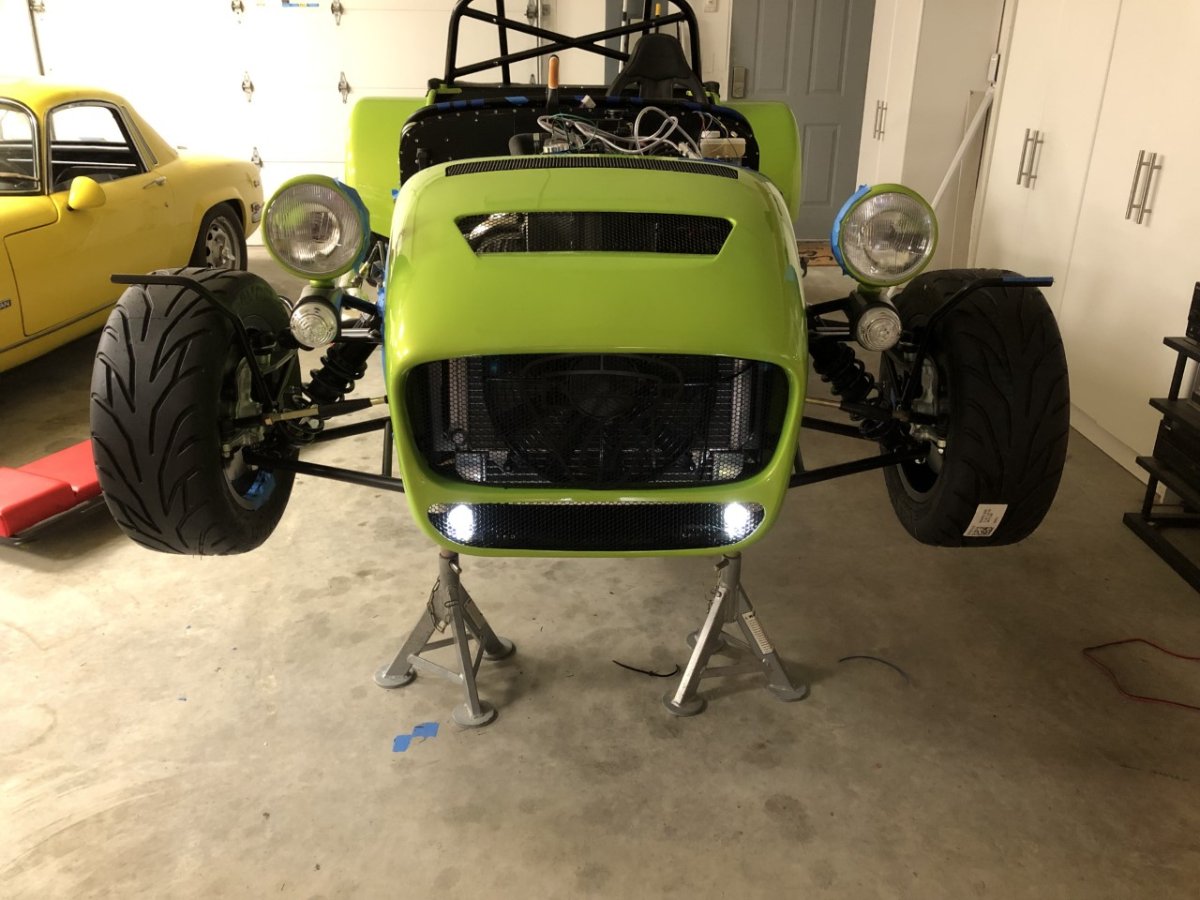
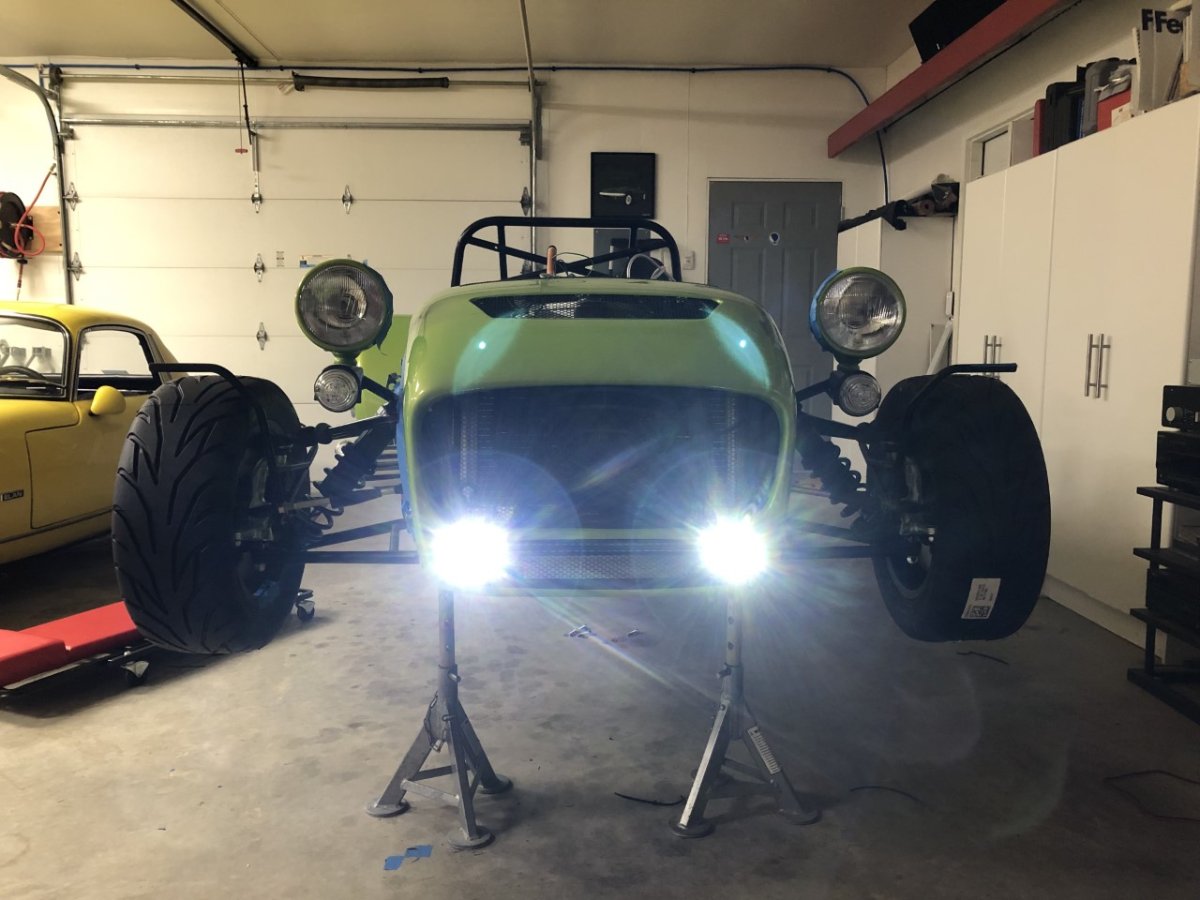
I decided to do a temporary install of the DRLs so I could build the harness and get that out of the way. This is the redesigned bracket. Very rigid but will need to be reprinted in carbon fiber nylon to deal with the heat from the radiator. Hoping to do a big print day this weekend to get all parts done using that filament. The wires were run under cover of the license plate bracket the factory glued into the nose cone, then run up the side using adhesive zip tie mounts and finished with a Deutsch connector. I decided to place this on the exhaust side since there is more room on that side of the engine bay. It's very easy to undo the connector before removing the nose cone. These guys are pretty bright. First photo is taken off axis to highlight the location. Next photo is head on. Speaking from experience, I don't recommend looking straight at them from only a few feet away -John
-
I run the Racetech mechanical gauges (coolant and combined oil temp/pressure) in my Westfield. The size of the temperature sensors is a pain, but not an issue if just using oil pressure. No complaints after nearly 20 years of use. -John
-
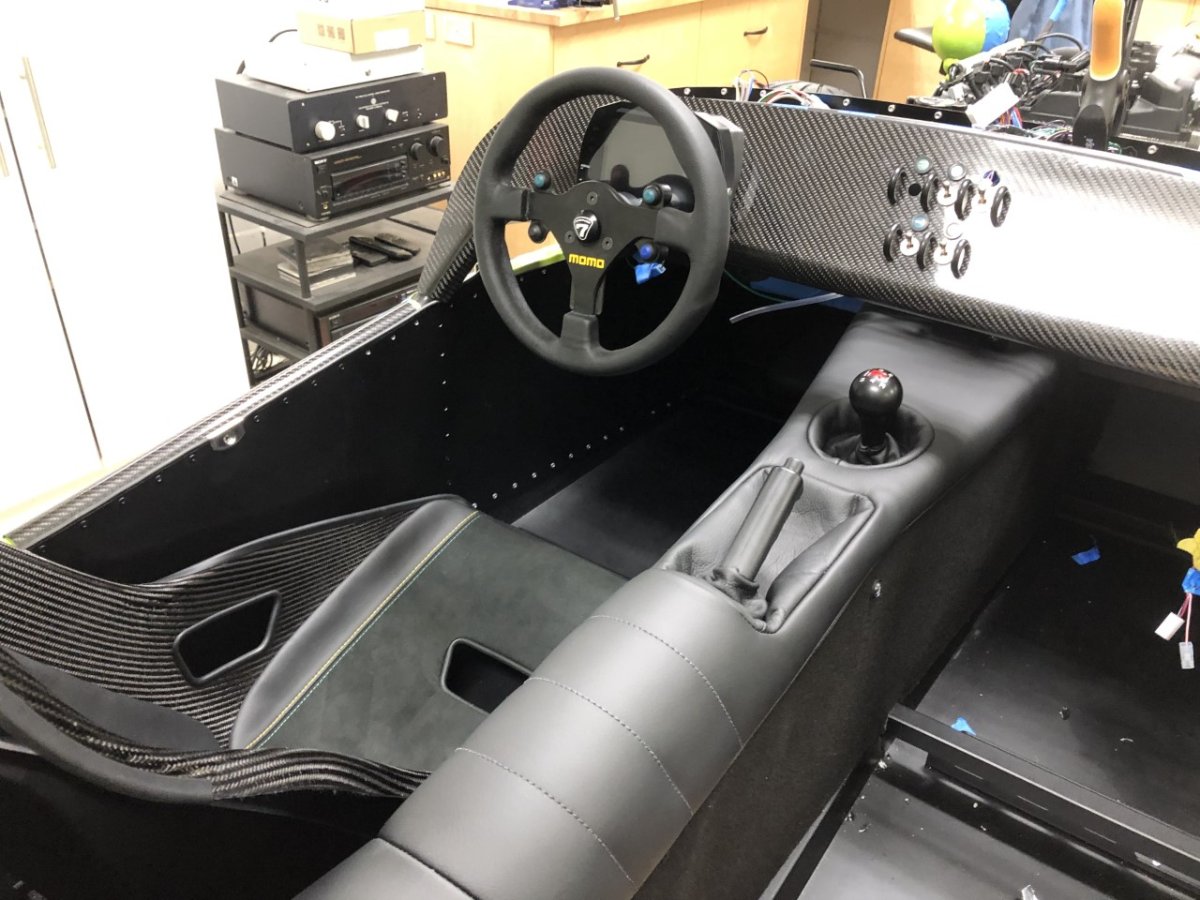
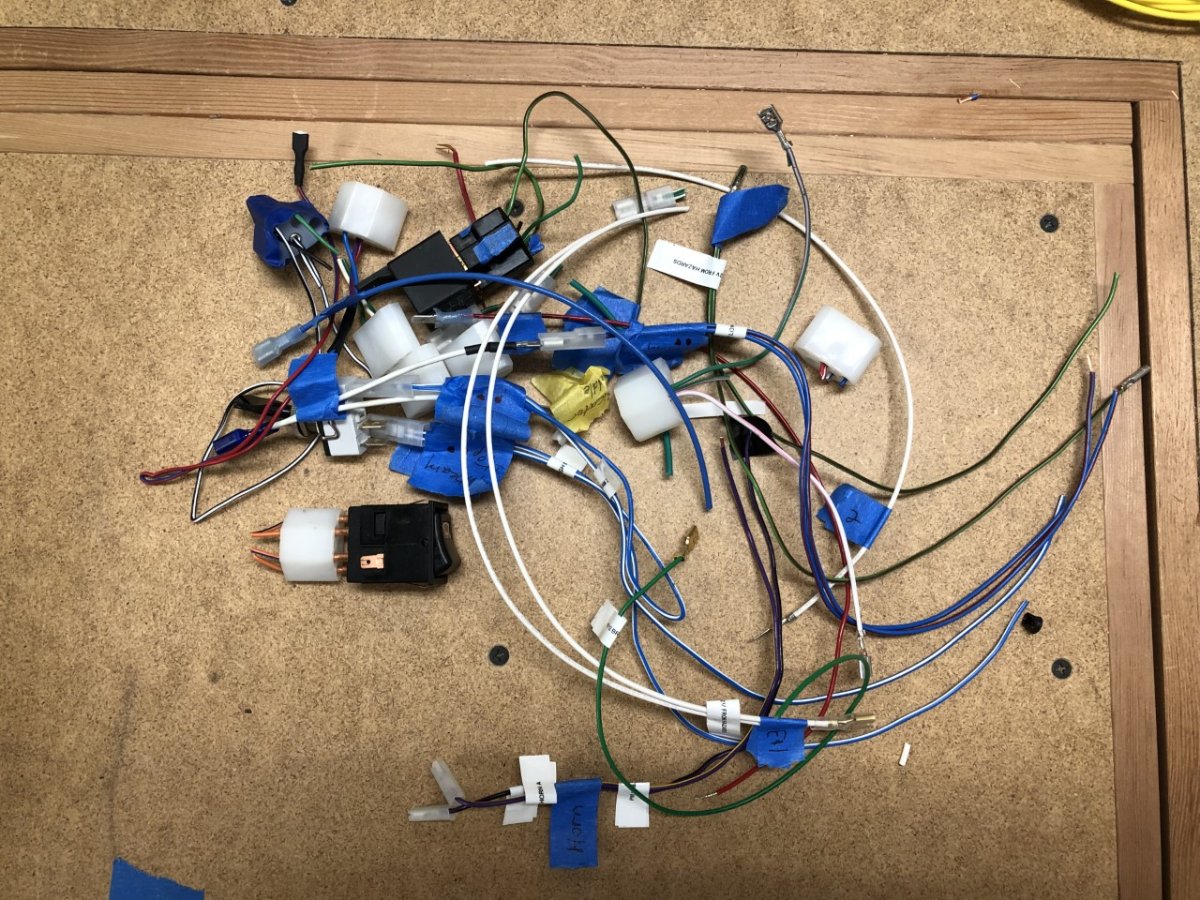
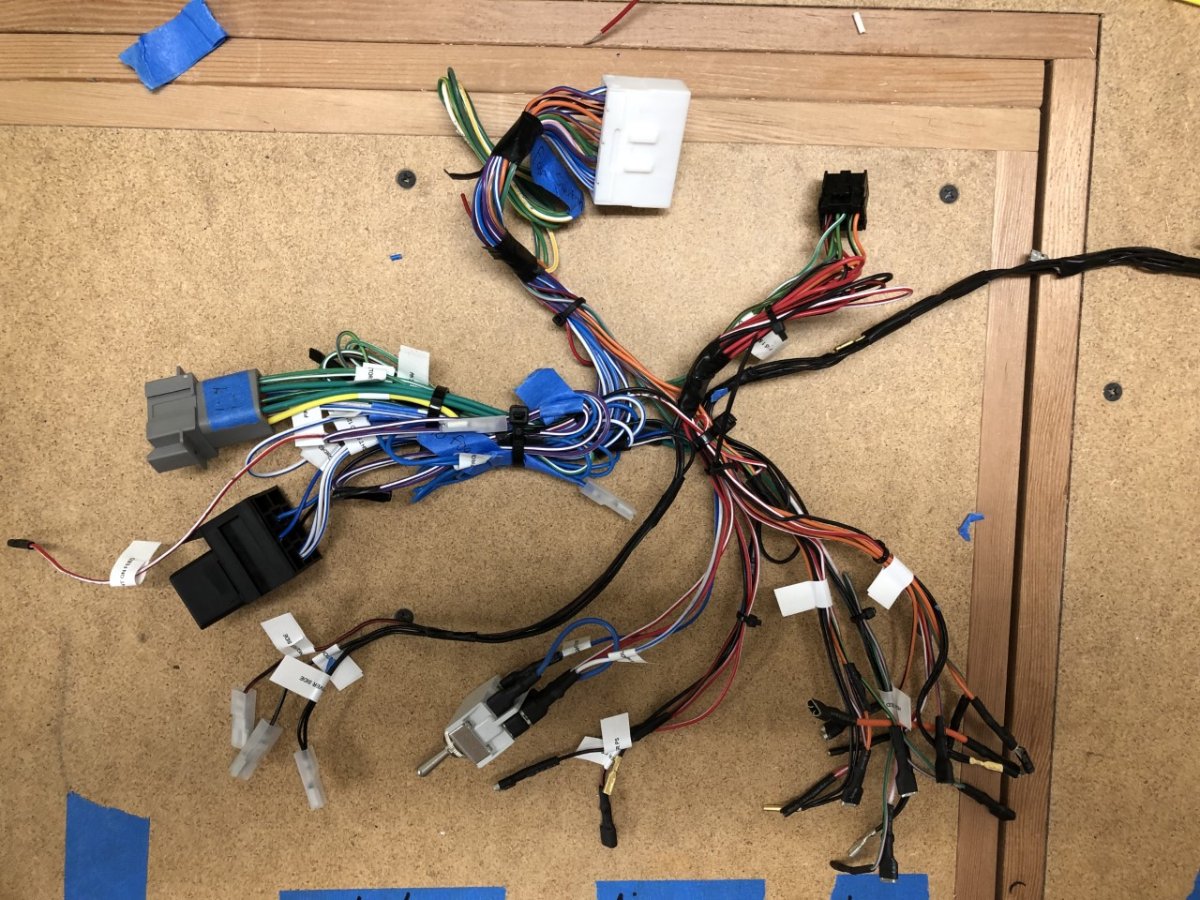
A few days ago, I wrote "If things go very, very well (they won't) the AiM and Freewheel wiring could be completed this weekend." Well, they didn't go very, very well, but things still went well, if not very well. The Freewheel chassis wiring is done, and it works. The final switch plate for the steering wheel hasn't been printed as I'm working through a couple of cosmetic revisions, so I simply shorted the transmitter wires, mimicking momentary switches. A little troubleshooting was required, but nothing onerous. I'm opting to keep the labels on the harness in place as well as some unneeded wires until the AiM harness is done and the combined harness is tested. Top photo shows items removed thus far, and the second shows the current state of the harness as described above. Rather than use Weatherpack connectors to tie the 14 wires from the Freewheel control module into the rest of the switch loom, I bit the bullet and bought a good crimper for solid pin Deutsch connectors. It was so much easier and less frustrating than the stamped terminals used with Weatherpack. When given a choice, I will never go back. One annoying discovery is that when upgrading the tunnel cover to the black leather version in the Signature catalog, they don't bother to install the heated seat switches, instead supplying them in a bag with the retrofit harness that isn't needed when the heated seats option is chosen at time of order (once again, Caterham supplies parts you don't need, which apparently they karmically believe offsets failure to supply parts you do need -- but I digress.) It sounds simple, but this is upholstery work in a highly visible place. It requires drilling holes, cutting the leather, wrapping it through the holes, gluing it to the aluminum structure, and hoping the resulting hole is sized perfectly for the switch. Not too small that it won't push in, and not too big, that it rotates with little effort. Not wanting to see my potential screwup every time I looked at the interior, and not really being a fan of the switches breaking up the aesthetic of the tunnel top, I took this as an opportunity to relocate them to the side of the tunnel. After determining a location that was easy to access, wouldn't be accidentally bumped by errant knees, and was sufficiently removed from the multitude of cross braces in the tunnel, holes were drilled, the carpet was installed and then cut. I like it. I also did a bunch of other work, including rerouting the handbrake cables, fixing the buggered rivnut for one of the rear wing bolts, working out the DRLs, identifying the wires in the gauge loom and how they will plug into the AiM analog harness, and a number of other little things. Not the massive progress I hoped for, but more than I expected. Before calling it a night, I installed the tunnel cover and steering wheel, and tried out the seating position. It's getting there... -John
-
Link is fixed. When you inserted it, it added the word "My" at the end, likely from when you copied it. I've removed, that unnecessary appendage -John
-
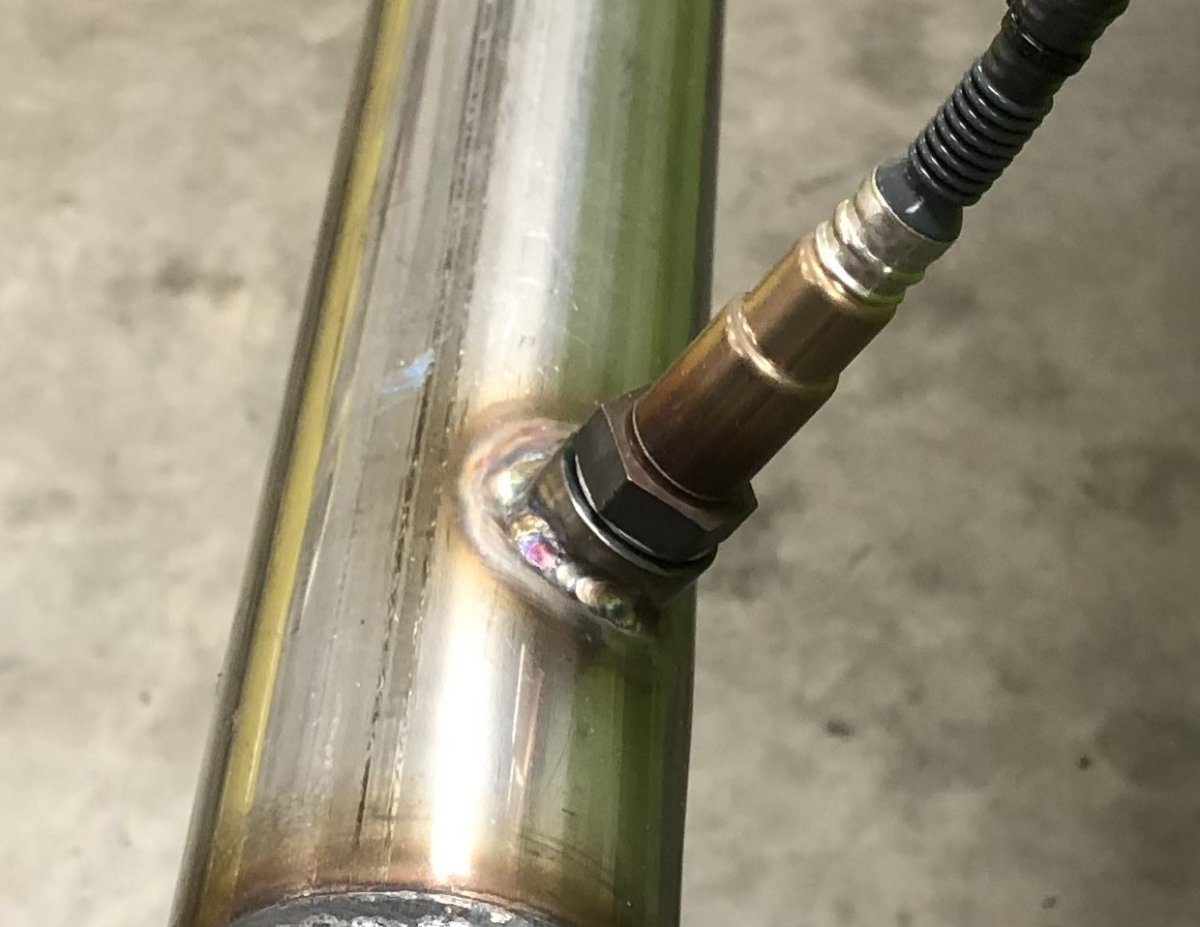
One surprisingly hard part of this project was finding someone to TIG weld a stainless steel WBO2 bung on the stainless steel cat bypass pipe. The factory bung locates the sensor so it's pointing upwards, which is bad for longevity. Ideally the sensor should be mounted at least 10 degrees above horizontal to prevent condensation from settling on the tip and breaking the sensor after a cold start. It seemed every place I called only did MIG and every lead I was subsequently given would have the same limitation when called. I eventually found three places. A very high-end vintage race shop in the Kent/Auburn area who dismissed doing the project out of hand as too small, a high-end race shop in Bellevue, and a family-owned welding shop located next to an airstrip in Snohomish that's been around since 1972 and does everything from building custom exhausts to installing 5th wheel hitches. The race shop said it would take 1- 2 hours at $225/hour and they couldn't get to it for at least a month. In contrast, the welding shop wanted $58 to drill and TIG and could turn it around in a day. I went with the family operation and was very pleased. Friendly, clearly take pride in their work (even the person who did the weld wanted to make sure I was happy with the final quality), and very reasonably priced. Anyone in Seattle's Eastside looking for this type of work, check out Airport Welding and Muffler in Snohomish. -John
-
I used heat shrink to hold down the ends of the mesh cover on my coolant hose. -John
-
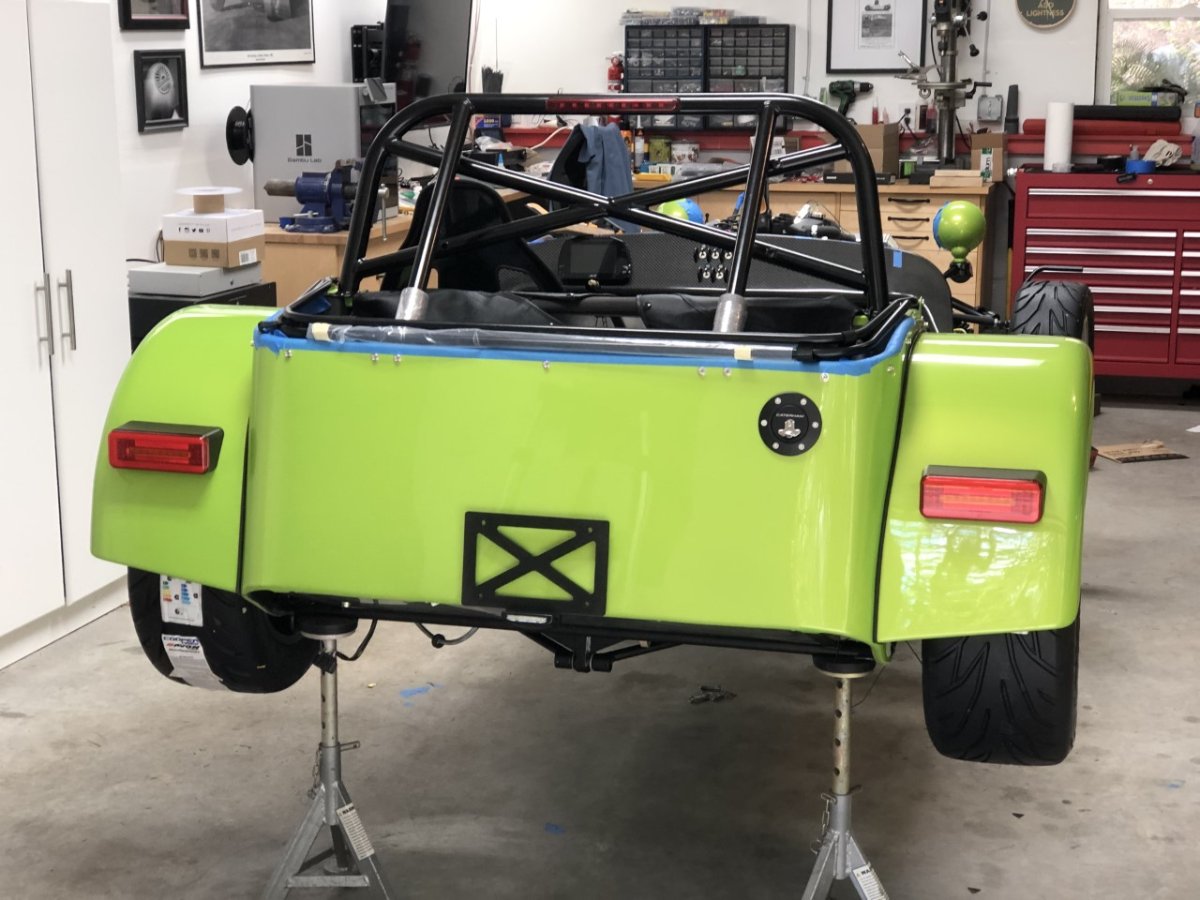
The underside of the wings have been coated with Herculiner to prevent star cracks. I was initially on the fence about this as the Westfield wings have suffered no such damage since going on in 2004. A closer look, however, revealed Westfield uses much thicker fiberglass. Based on quick measurements, the Caterham wings are about 3mm thick, whereas the Westfield's are over 5mm thick. Undoubtedly heavier, but I suspect this is why I haven't had issues. Rear wings are on, but the driver's side needs to come off to inspect a rivnut that I suspect may be a little loose. Of course it was the last of the 10 fastener I installed on that wing. I'm currently in wiring hell. Despite attempting to order the 620 switch loom since November, I've given up and am repurposing the 420 switch loom. Before making cuts, I decided to reinstall the stock dash with the gauge and switch looms to confirm all those electrical components are working correctly. This way, if an electrical issue crops up for the AiM, Freewheel, or toggle switches, I'll know it's my fault and won't need to test any of Caterham's work. Once an issue with the factory supplied flasher was confirmed, it was time to perform a test install of the Freewheel without cutting the harness. I wanted to wait for that no-going-back moment until I knew the Freewheel worked as expected. Yes, that's a scary picture below, but it was taken after achieving success with the test. I'm now in the process of modifying the switch loom -- wires have been cut! -- and will then tackle the loom for the AiM display. If things go very, very well (they won't) the AiM and Freewheel wiring could be completed this weekend. -John
-
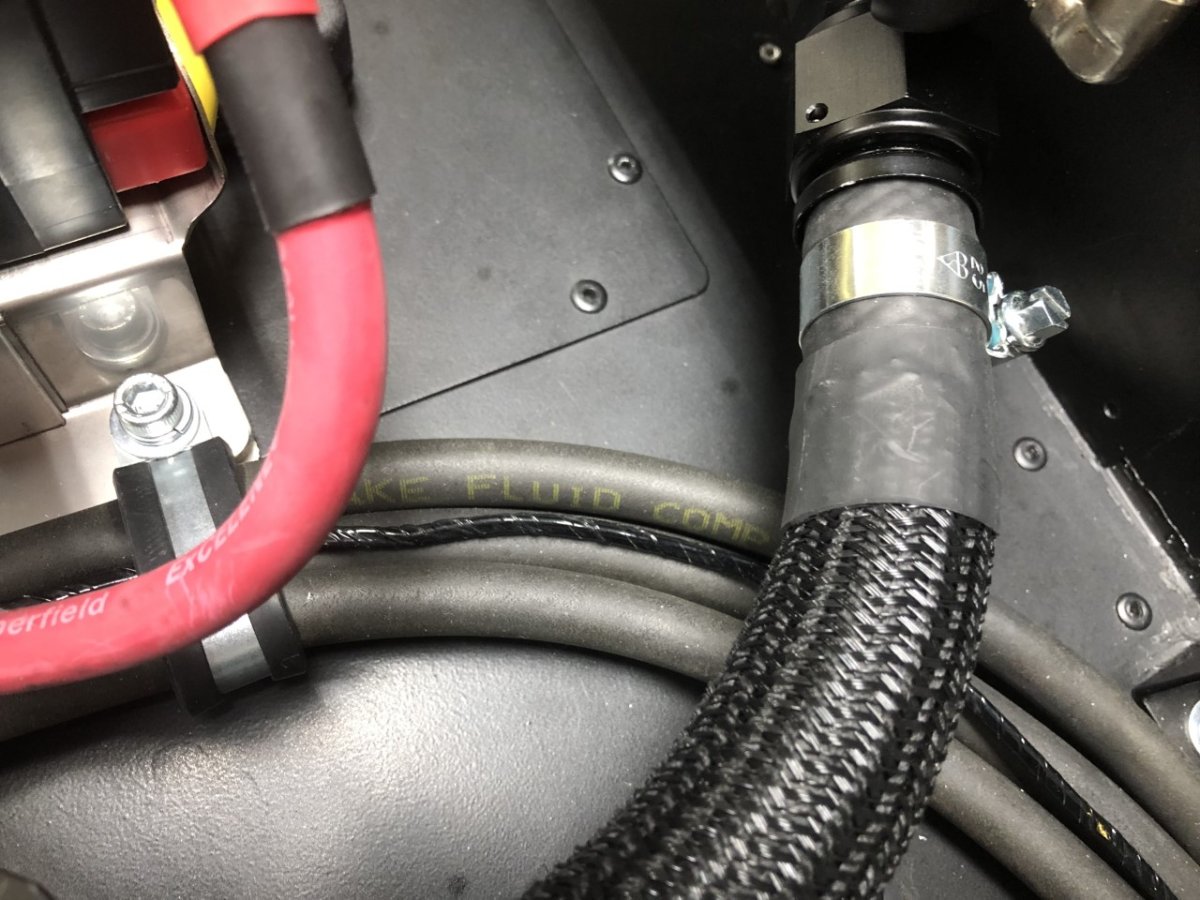
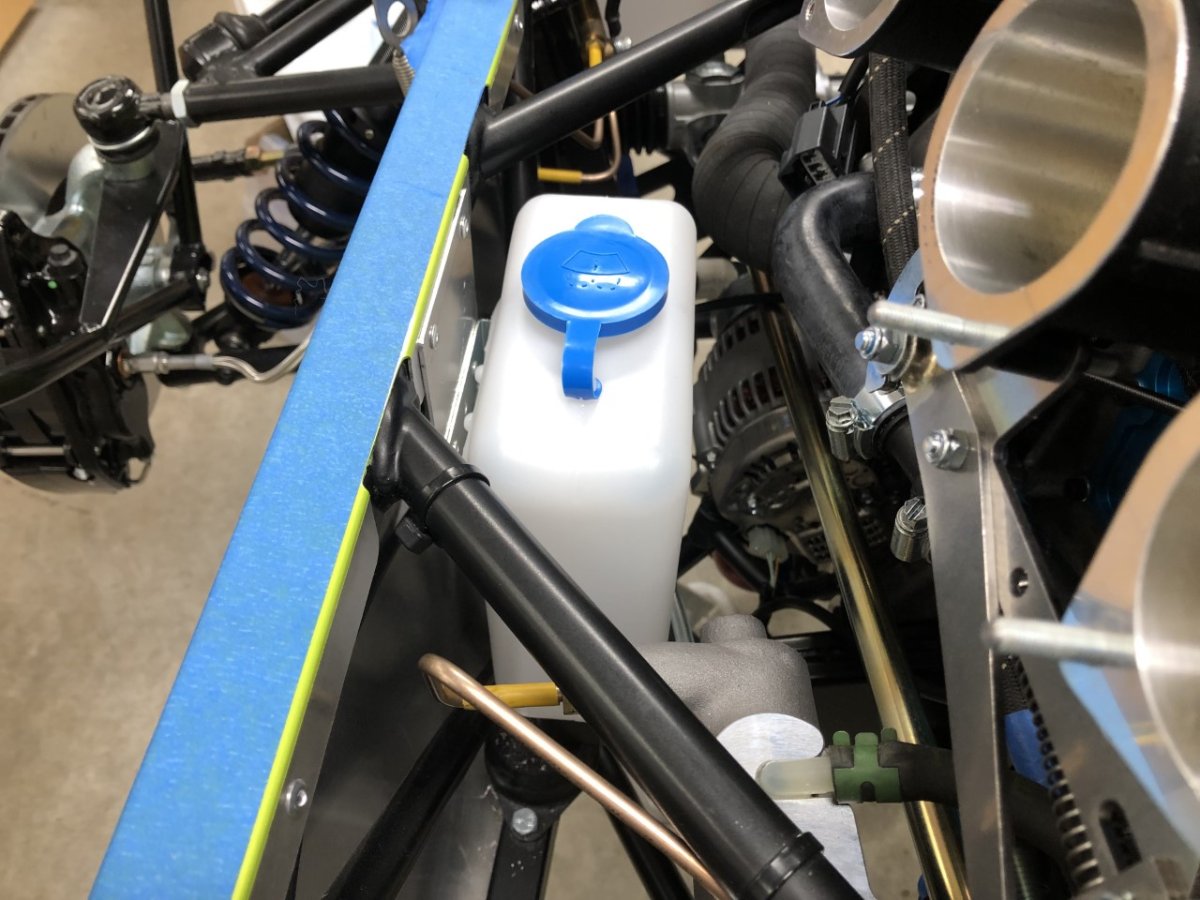
The Radium coolant expansion tank is in and plumbed with a hose covered with nylon braid to provide a little more abrasion protection where it runs into the mass of hoses in front of the battery. I also plumbed the cooling in that area with correctly sized 3/4" hoses. Because I am not using the second coolant temp sensor that feeds the gauge, I don't need the submarine which is 5/8" diameter, and is my guess for why Caterham supplies the smaller hoses (see my rant about this several posts up the page). I ended up using a combination of rubber hoses and Silicone hoses given availability. We'll see how it works. The location for the windscreen wiper reservoir on current cars is in the boot, which is not my preference. Taking up valuable real estate in the small boot to locate a container of liquid does not make a ton of sense to me. To be fair, the factory 420 air box takes up a lot of space, so finding an under-bonnet location means they would need to be creative or use a different form factor, but still… My initial plan was to locate this part on the firewall. However, given I'm running ITBs with a sausage air filter, another option presented itself: under the filter. A simple aluminum bracket to dop it a few inches that repurposes two rivets that hold the side skin to the frame, and it's in place. It does mean I need to remove the air filter to fill it and work round an air horn, but the filter attaches with three 1/4 turn fasteners, and even if I have to remove the air horn (two socket head screws) it's not a big deal to me as I will likely only fill it before a tour when there is a chance of rain. Otherwise, I won't use it and won't bother it keep it filled. The scuttle is now removable to make behind dash repairs/work significantly easier. To minimize the air gap between the firewall and scuttle, low profile M4 rivnuts from McMaster Carr were used. These have a flange thickness of 0.4mm vs. 0.8mm of a standard rivnut. The only challenge was installing the rivnuts that mount to the dash tube and hld the sides of the scuttle in place. On my car -- and it may only be my car -- they drilled the hole for the rivet at an angle pointing rearward rather than forward as needed to place the hole perpendicular to the side of the scuttle. When using a rivet, the hole angle doesn’t matter, but a rivnut is a different story. Given it's a round tube, you can't simply enlarge the hole in one shot and need to walk up on it with increasing larger drill bits. Ok, no picture, but if you look at the photo of the Radium you can see the rivnuts in place. -John
-
Wow, this thread is way out of date. I'll try to post some updates with pictures later. Regarding the airbox, the original plan was to build a cold airbox fed by the 620 nosecone scoop. I eventually gave up on that for two reasons: space and potential AFR issues. Between the dry sump tank and its hoses, the coolant hoses, and the chassis triangulation, there is not a lot of space to snake sufficiently large ducting from the front to the throttle bodies. It's solvable, but it just creates more problems down the road with access. More importantly, I found some flow tests on airboxes that convinced me there was a reasonable chance AFR across the 4 cylinders would be very uneven. A single WBO2 sensor would average out those differences when tuning, meaning some cylinders could be overly rich, or worse, overly lean. It seemed much safer for the engine if I bit the bullet and stuck the filter out the bonnet; nose levels be dammed! Cutting the aluminum scares me but blowing that engine scares me more. That work is still about a month out so I can't tell you how not to do it . I special ordered an ITG sausage filter without the logo and was told to expect arrival in April or May. Based on results from online calculators, the bonnet side vent is sufficient for 420 levels of power. Those same calculators say the 620 shouldn't work, but it clearly does. Perhaps those formulas change with a supercharger, or there is more going on with high pressure in that area that offsets the size of the opening. That said, I also noticed that the opening in the air box itself is smaller than in the bonnet, but again, it seems to work. -John
-
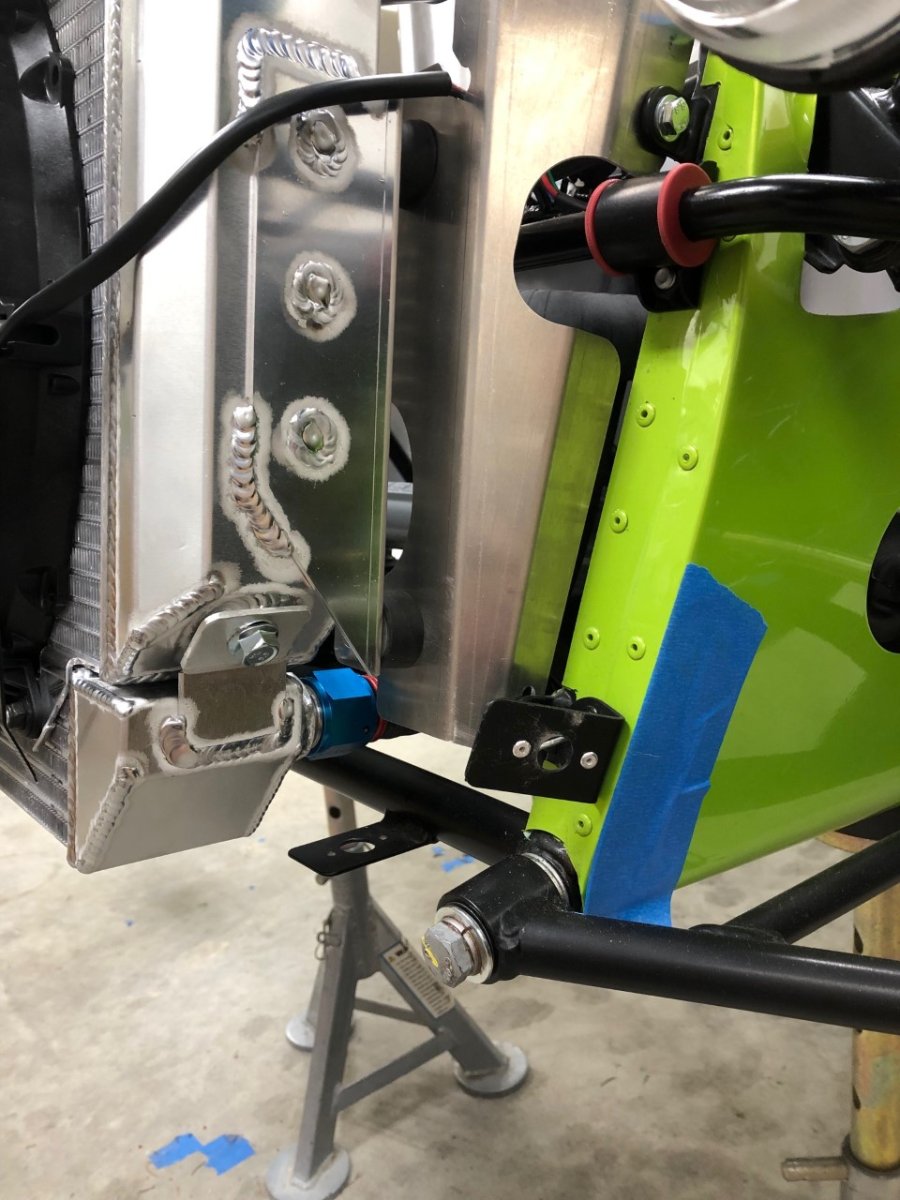
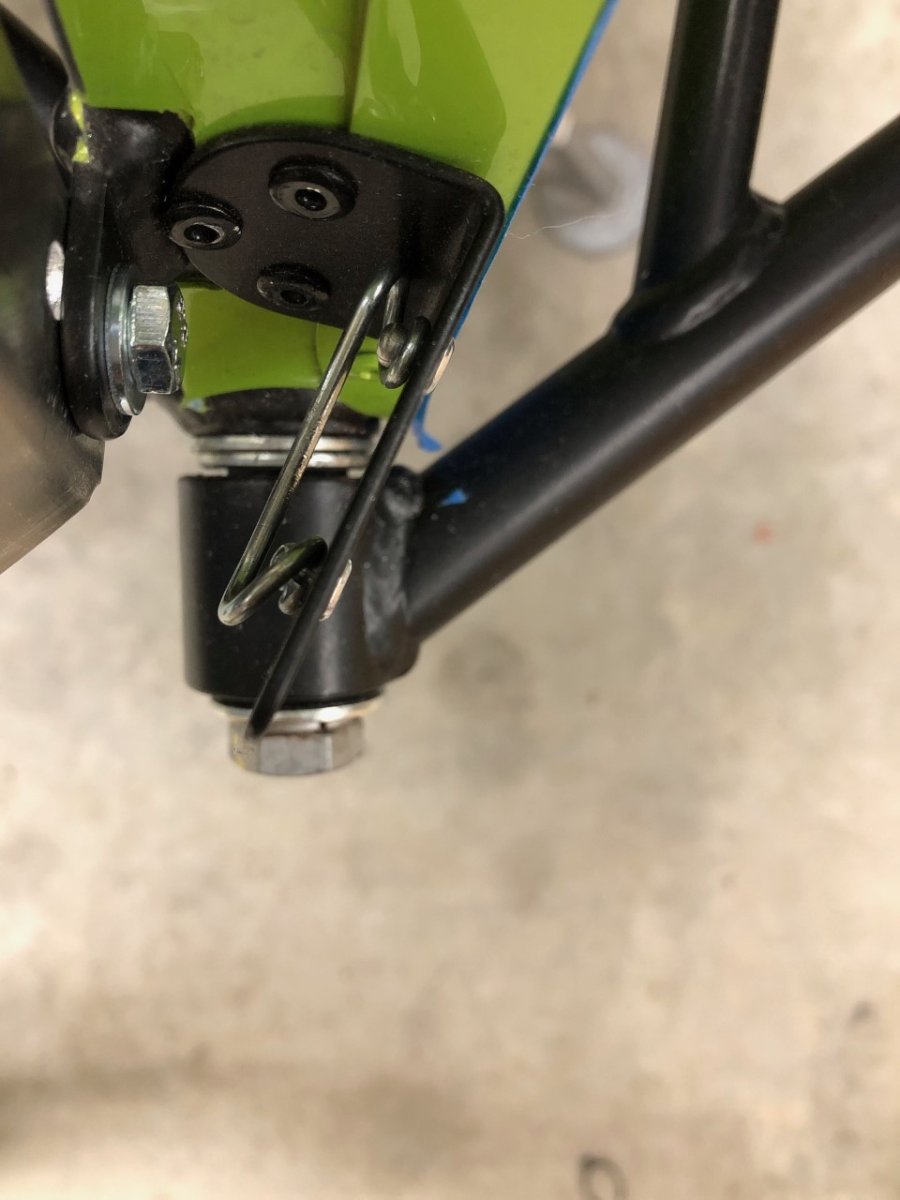
Here are a couple of pictures of a lower 620 nose cone mount. The first shows the location near the lower radiator mount, the second is an overhead shot that highlights the angle in relation to the lower A-arm's front mounting bolt. -John
-
There is a slew of filament types, each with different strength, impact resistance, UV, thermal, and chemical resistance properties. There are even differences between brands for the same filament type. To further complicate matters, some filaments require more specialized printers that can handle the high temperatures required to melt that filament or can heat the bed or the enclosure to specific temperatures or maintain more stable temperatures. Some filaments are also a lot more finicky to print than others, requiring more experience to produce a quality print. This page has an overview of the more common options that might prove interesting. https://www.3dsourced.com/guides/3d-printer-filament/
-
Thanks, I'll keep them in mind if I need to print a file beyond the capabilities of my printer or if I want to try the part as an SLA print.
-
It would never have occurred to me to go down that route, but it looks great. How was your experience with craftcloud? Thanks, John